Boat Fender Low Surface Pressure Corrosion Resistant Flexible Application
Product Overview
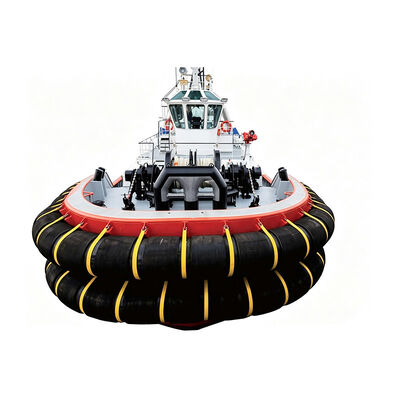
Tug Boat Fenders are marine rubber protection systems engineered for tugboats that perform repetitive vessel contact during towing, pushing, escort, berthing assistance, shipyard maneuvering, offshore positioning, and floating structure handling. The fender system is installed at designated areas of the tug hull to create a controlled interface between the tug and the contacted vessel or structure, allowing contact forces to be absorbed and distributed without direct steel-to-steel interaction.
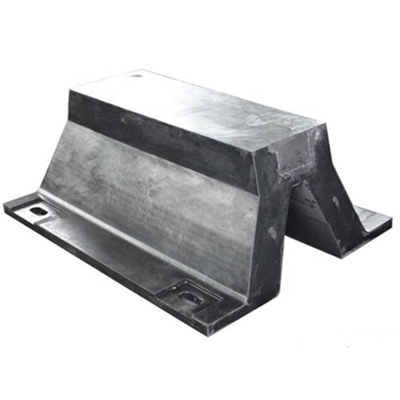
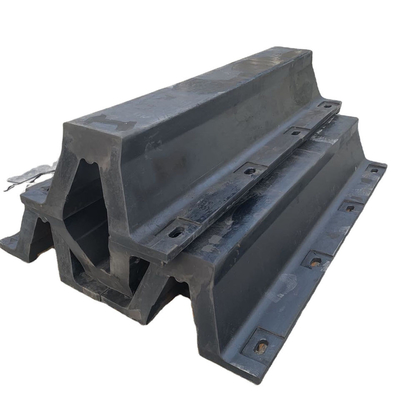
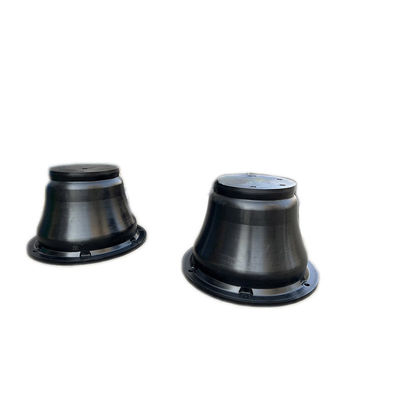
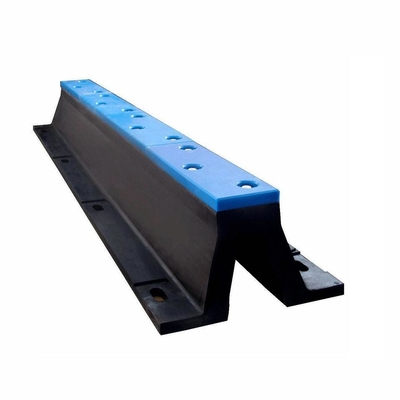
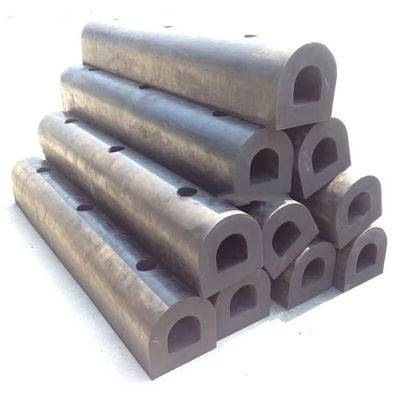
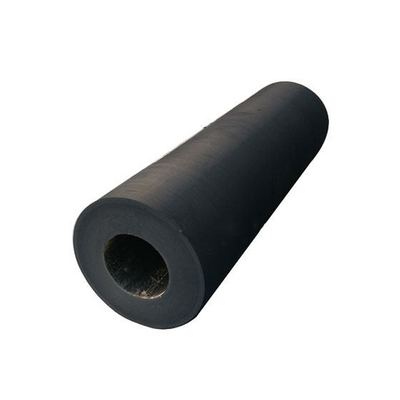
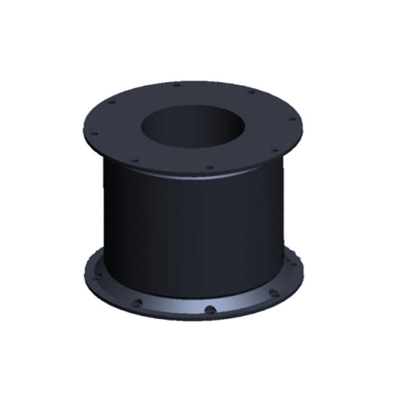
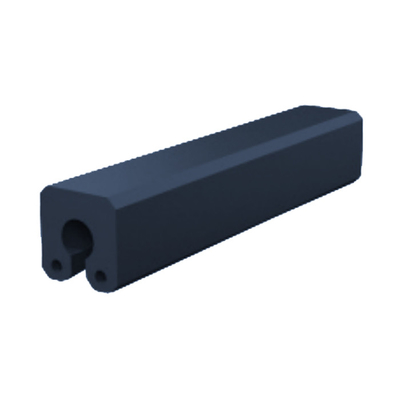
The product is manufactured from engineered rubber compounds selected for mechanical strength, elasticity, abrasion resistance, fatigue performance, and resistance to marine environmental exposure. Depending on the tug's hull configuration and intended operating function, the system can incorporate different rubber profiles and dimensions including cylindrical, D-shaped, M-type, W-type, and other customized sections.
Case Study: Tug Boat Fenders for Offshore Service Tug in Norway
An offshore marine contractor in Norway operated a 4,500 hp ASD tug with an approximate displacement of 560 tonnes to support offshore construction and supply activities in a North Sea service base. The existing fender arrangement had developed accelerated wear around primary side-contact zones due to demanding environmental conditions characterized by low temperatures, seawater exposure, strong winds, and frequent vessel movement.
Hongruntong Marine reviewed the installation dimensions and operational information, configuring replacement Tug Boat Fenders according to existing mounting positions with attention to profile dimensions, contact area, rubber hardness, and expected deformation. The engineering objective was to provide sufficient flexibility for repeated contact while maintaining adequate resistance to abrasion and permanent deformation.
After installation, the tug returned to offshore support service and continued performing towing and floating-equipment positioning operations. The new fender system provided stable contact during repeated pushing and lateral movement, with maintenance personnel reporting consistent working surface performance during routine inspections.
Technical Specifications
| Parameter |
Specification |
| Place of Origin |
China |
| Brand Name |
Hongruntong Marine |
| Product Name |
Tug Boat Fenders |
| Material |
High Quality Natural Rubber |
| Warranty |
3 Years |
| Standard |
PIANC2002, HGT2866-2016 |
| Tensile Strength |
≥16 MPA |
| Hardness |
≤82 Shore A |
| Lifespan |
15-20 Years |
| Service |
OEM or ODM |
| Color |
Customers' Requirements |
| Application |
Tugboat, Workboat etc |
Dimensional Specifications
| D*d |
E |
A max |
B max |
C |
M |
F |
L |
| 250*125 |
190 |
200 |
570 |
500 |
75 |
300 |
2-13 metres in one section or joined for longer length |
| 300*150 |
225 |
225 |
600 |
700 |
75 |
350 |
2-13 metres in one section or joined for longer length |
| 380*190 |
280 |
225 |
650 |
800 |
100 |
400 |
2-13 metres in one section or joined for longer length |
| 400*200 |
300 |
250 |
670 |
800 |
100 |
400 |
2-13 metres in one section or joined for longer length |
| 450*225 |
350 |
250 |
700 |
850 |
100 |
400 |
2-13 metres in one section or joined for longer length |
| 480*240 |
350 |
250 |
700 |
850 |
100 |
400 |
2-13 metres in one section or joined for longer length |
| 500*250 |
375 |
280 |
730 |
900 |
100 |
400 |
2-13 metres in one section or joined for longer length |
| 540*270 |
375 |
280 |
730 |
900 |
100 |
400 |
2-13 metres in one section or joined for longer length |
| 600*300 |
450 |
300 |
800 |
900 |
125 |
500 |
2-13 metres in one section or joined for longer length |
| 700*350 |
500 |
350 |
870 |
950 |
125 |
500 |
2-13 metres in one section or joined for longer length |
| 800*400 |
600 |
350 |
930 |
1000 |
125 |
500 |
2-13 metres in one section or joined for longer length |
| 900*450 |
675 |
350 |
1000 |
1100 |
150 |
500 |
2-13 metres in one section or joined for longer length |
Key Features
Cold-Environment Material Stability for Offshore Service
Specially formulated rubber compounds maintain flexibility and structural integrity in low-temperature marine environments, ensuring predictable contact behavior across operating temperature ranges from northern to high-latitude regions.
Load Distribution Across the Tug Hull Structure
Engineered profile geometry distributes contact pressure over appropriate areas, transferring reaction forces effectively through mounting components into supporting hull structures to reduce localized stress and structural deterioration.
High Resistance to Repeated Compression and Mechanical Fatigue
Designed to accommodate repetitive mechanical cycles during towing, pushing, and vessel contact operations, maintaining elastic deformation and recovery capabilities over extended service periods.
Modular Sectional Design for Maintenance Efficiency
Sectional configuration allows individual components to be inspected and replaced independently, providing installation flexibility around structural obstacles and reducing maintenance downtime and material consumption.
Applications
- Offshore Construction and Supply Base Operations: Handling barges, floating equipment, construction platforms, and supply vessels with prolonged side contact under variable environmental conditions.
- Escort and Coastal Towing Operations: Providing durable working surface for changing contact directions and fluctuating lateral forces during escort and towing missions.
- Floating Infrastructure and Marine Logistics: Protecting tug hulls during controlled low-speed contact with pontoons, barges, temporary floating platforms, and marine infrastructure.
Why Choose Hongruntong Marine
More Than 30 Years of Manufacturing Experience
Established understanding of rubber material characteristics, product geometry, production parameters, and marine service conditions ensures consistent manufacturing quality and performance.
Engineering Customization Based on Vessel Operating Conditions
Application-specific engineering considers tug displacement, hull configuration, contact zones, operating conditions, mounting structure, expected loads, and environmental exposure.
Quality Control and Technical Verification
Comprehensive inspection covering product dimensions, appearance, hardness, material characteristics, and technical parameters with supporting documentation for procurement and quality-control procedures.
International Supply and Project Execution Support
Coordination of product specifications, manufacturing schedules, inspection requirements, packaging, and delivery information integrated with customer maintenance and construction schedules.
Frequently Asked Questions
Can Tug Boat Fenders be designed for offshore operations in cold climates?
Yes. For cold-region applications, the rubber specification should be selected according to expected minimum operating temperature and mechanical loading conditions, considering material flexibility, hardness, fatigue behavior, seawater exposure, and abrasion requirements.
What is the difference between a standard and customized Tug Boat Fender?
Standard fenders follow established dimensions and profiles, while customized fenders are manufactured according to specific vessel geometry, installation space, mounting arrangement, or operating requirements, particularly useful for retrofit projects.
Does fender hardness affect contact pressure?
Yes. Rubber hardness influences deformation and reaction-force characteristics, but actual contact pressure also depends on profile geometry, dimensions, compression level, and loading conditions, so hardness should not be evaluated independently.
What documents should be retained for future replacement orders?
Customers should retain approved drawings, product dimensions, rubber hardness or material specifications, installation details, quantity records, inspection documentation, and photographs of installed fender arrangements for dimensional consistency in future replacements.
Can Tug Boat Fenders be reused after temporary removal?
Reuse depends on rubber and fixing system condition. Removed fenders should be inspected for excessive abrasion, cracking, permanent deformation, cuts, structural damage, and deterioration before reinstalling, subject to technical inspection.


 Your message must be between 20-3,000 characters!