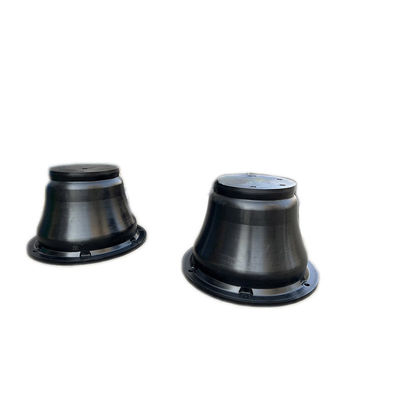
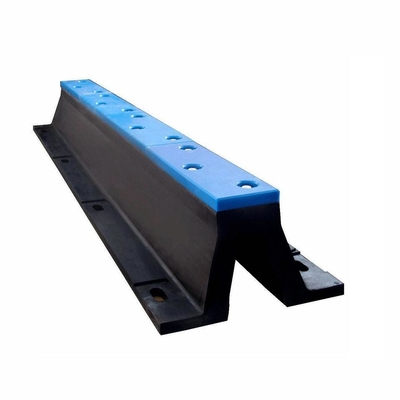
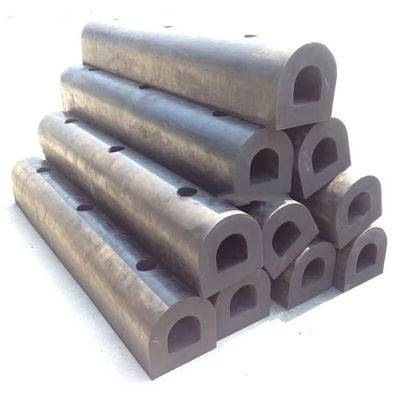
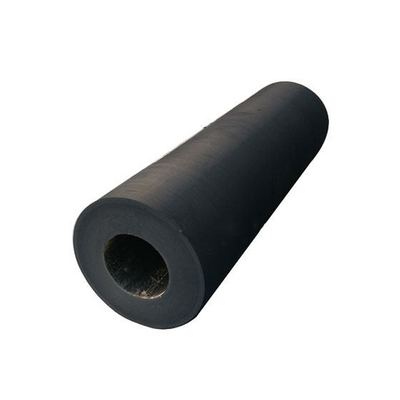
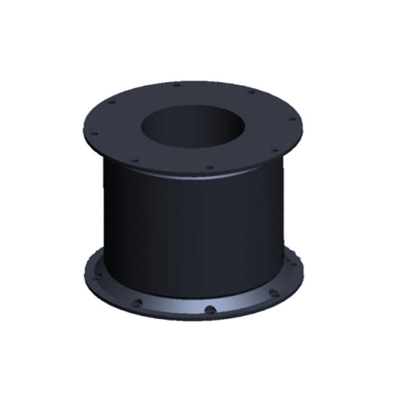
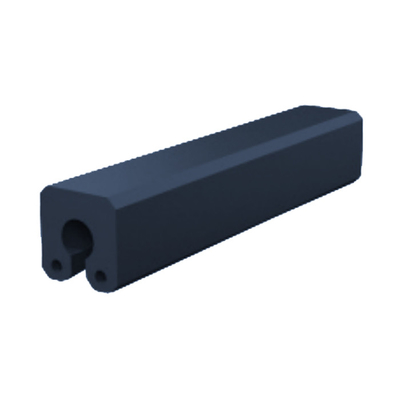
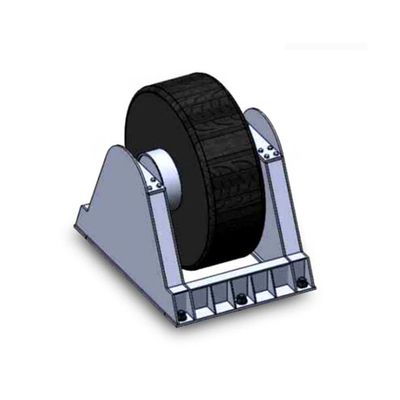
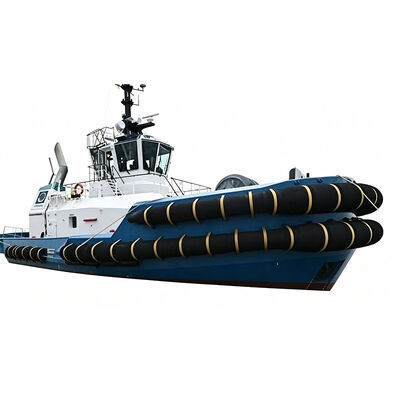
Tug Boat Fender Excellent Buffer Performance Marine Grade Rubber Certified Quality
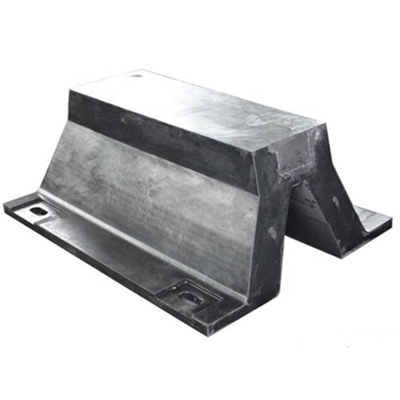
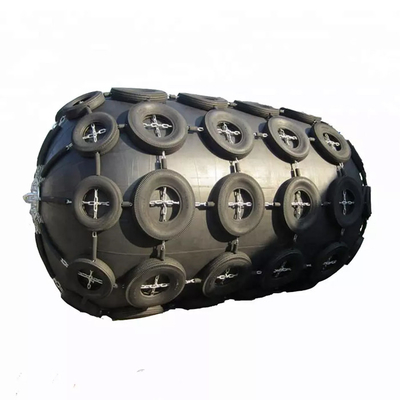
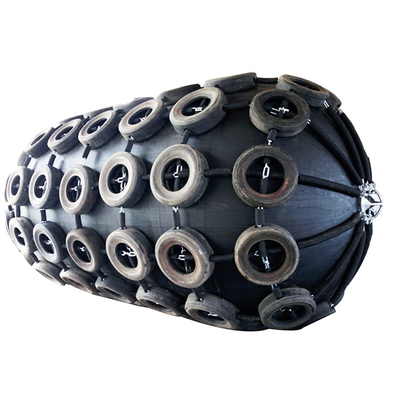
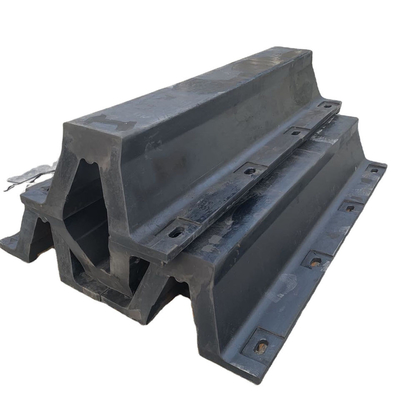
Tug Boat Fenders are engineered marine rubber components designed to provide controlled protection for tugboats during ship handling, towing, escort, pushing, berthing, unberthing, and floating equipment positioning operations. The system is installed at designated contact areas of the tugboat hull and functions as a flexible mechanical interface between the tug and another vessel or marine structure.
In normal operation, the fender is subjected to compression, impact, friction, shear, and repeated cyclic loading. Its engineering purpose is to absorb and distribute contact forces before they reach the steel hull structure, while also reducing concentrated pressure transferred to the contacted vessel. This function is particularly important for tugboats because vessel-to-vessel contact is often an intentional part of maneuvering rather than an abnormal event.
Case Study: Tug Boat Fenders for a River Port Towing Fleet in Brazil
A river port operator in Brazil maintained a fleet of 1,900 hp conventional tugboats used for assisting bulk carriers and river barges along a busy inland cargo terminal. One of the 310-tonne tugboats was assigned primarily to barge handling and bulk vessel maneuvering. Because the terminal operated continuously throughout the year, the tug performed a high number of pushing and towing cycles each week.
The vessel's existing fender arrangement had been in service for an extended period and showed significant wear around the bow shoulders and side-contact areas. The most noticeable problem was uneven abrasion caused by repeated contact with steel barges during low-speed positioning. The fender surface had become thinner in several high-contact areas, while other sections had experienced considerably less wear.
The operator wanted to improve the consistency of the fender arrangement without making major modifications to the tug's hull structure. The project therefore focused on replacing the worn components with a configuration compatible with the existing mounting points while improving contact-area distribution.
Specifications
| Place of Origin |
China |
| Brand Name |
Hongruntong Marine |
| Product Name |
Tug Boat Fenders |
| Material |
High Quality Natural Rubber |
| Warranty |
3 Years |
| Standard |
PIANC2002, HGT2866-2016 |
| Tensile Strength |
≥16 MPA |
| Hardness |
≤82 Shore A |
| Lifespan |
15-20 Years |
| Service |
OEM or ODM |
| Color |
Customers' Requirements |
| Application |
Tugboat, Workboat etc |
Technical Dimensions
| D*d |
E |
A max |
B max |
C |
M |
F |
L |
| 250*125 |
190 |
200 |
570 |
500 |
75 |
300 |
2-13 metres in one section or joined for longer length |
| 300*150 |
225 |
225 |
600 |
700 |
75 |
350 |
|
| 380*190 |
280 |
225 |
650 |
800 |
100 |
400 |
|
| 400*200 |
300 |
250 |
670 |
800 |
100 |
400 |
|
| 450*225 |
350 |
250 |
700 |
850 |
100 |
400 |
|
| 480*240 |
350 |
250 |
700 |
850 |
100 |
400 |
|
| 500*250 |
375 |
280 |
730 |
900 |
100 |
400 |
|
| 540*270 |
375 |
280 |
730 |
900 |
100 |
400 |
|
| 600*300 |
450 |
300 |
800 |
900 |
125 |
500 |
|
| 700*350 |
500 |
350 |
870 |
950 |
125 |
500 |
|
| 800*400 |
600 |
350 |
930 |
1000 |
125 |
500 |
|
| 900*450 |
675 |
350 |
1000 |
1100 |
150 |
500 |
|
Key Features
Precision-Matched Profile for Bow and Shoulder Protection
The bow and shoulder regions of a tugboat can experience different contact conditions from the central side sections. During pushing operations, the tug may approach a vessel at an angle, causing contact to begin at the bow shoulder before the force becomes distributed along the side. The fender profile must therefore accommodate changing contact geometry without creating excessive localized stress.
Tug Boat Fenders can be manufactured with dimensions and profiles suited to these specific hull sections. The cross-sectional geometry determines the available contact area and controls how the rubber deforms as the load increases. A properly matched profile can conform to the contacted hull surface while maintaining sufficient material thickness for repeated operation.
Controlled Reaction Force and Contact Pressure
The fender must absorb contact energy without generating excessive reaction force. These two requirements are closely related to rubber hardness, profile dimensions, compression characteristics, and the available deformation space.
When the fender is compressed, its reaction force increases according to the degree of deformation. A suitable profile allows the rubber to deform progressively within the intended operating range. This controlled response helps distribute the contact load rather than transferring an abrupt force directly into the tug hull.
Fatigue Resistance for High-Frequency Operating Cycles
A tugboat operating in a commercial port may experience thousands of contact cycles over its working life. Each cycle causes deformation within the rubber body, followed by partial or complete recovery. Repeated deformation creates fatigue stresses that must be considered during material and profile selection.
The rubber compound is selected to maintain its functional characteristics through repeated mechanical loading. Proper curing and controlled manufacturing are also important because internal material consistency affects fatigue behavior.
Weathering and Seawater Resistance for Long-Term Marine Exposure
Tug Boat Fenders remain exposed to the external environment throughout their service life. Unlike protected machinery components, they are routinely exposed to seawater, rain, sunlight, salt deposits, temperature changes, and mechanical contamination.
The rubber compound can be selected to provide resistance to common marine environmental stresses. Resistance to weathering helps reduce deterioration caused by prolonged ultraviolet exposure, while suitable material properties support continued elasticity under outdoor conditions.
Applications
- River Ports and Inland Waterway Terminals: River tugboats frequently operate in confined navigation channels where pushing and barge handling require repeated physical contact.
- Bulk Cargo and General Cargo Terminals: Tugboats supporting bulk cargo and general cargo terminals frequently assist large vessels during berthing and departure.
- Marine Repair and Fleet Refurbishment: Older tugboats often require fender replacement while retaining their original hull and mounting structures.
Why Choose Hongruntong Marine
- Long-Term Production Experience: Over 30 years of manufacturing experience serving marine and industrial applications.
- Customized Engineering: Work from vessel drawings, installation dimensions, or customer-provided measurements for compatible designs.
- Production Inspection and Specification Control: Comprehensive quality control including dimensional checks and material-related inspection.
- Coordinated Supply for Fleet Maintenance: Support organized fleet procurement with clear identification of specifications for different vessels.
Frequently Asked Questions
1. Can Tug Boat Fenders be supplied in different profiles for different hull positions?
Yes. Different hull areas may require different rubber profiles or dimensions because the contact direction and available installation space can vary. Bow, shoulder, stern, and side sections can be engineered separately when required, while maintaining compatibility across the complete protection arrangement.
2. What information should be provided when requesting a quotation?
Useful information includes the tugboat type, dimensions, displacement, required fender profile, individual section lengths, quantity, rubber hardness if specified, mounting dimensions, and delivery requirements. Existing drawings or photographs with accurate measurements can significantly improve technical evaluation for replacement projects.
3. Are Tug Boat Fenders suitable for repeated pushing against steel barges?
Yes. They can be designed for repeated compression and sliding contact with steel barges. For these applications, the rubber specification should place particular emphasis on abrasion resistance, fatigue performance, contact area, and deformation characteristics because repeated lateral movement can generate substantial surface wear.
4. Can the fender system be replaced without modifying the tug hull?
In many replacement projects, the new fenders can be manufactured to match the existing mounting arrangement, minimizing hull modification. However, the existing supporting structure should be inspected before replacement because corrosion, deformation, damaged fixing points, or structural changes may affect installation.
5. What should be checked during a fender inspection?
Inspection should include surface abrasion, cracking, cuts, abnormal deformation, permanent profile changes, exposed reinforcement if applicable, fixing condition, and gaps between adjacent sections. Areas subjected to frequent contact should receive particular attention. Inspection frequency should reflect the tug's operating intensity and environmental conditions.


 Your message must be between 20-3,000 characters!