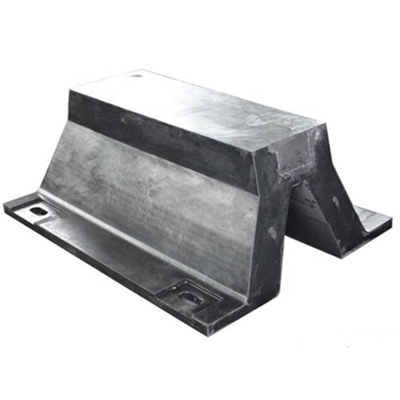
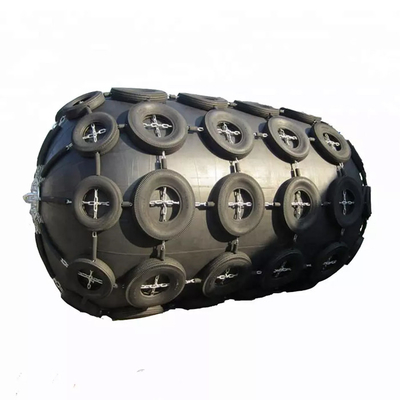
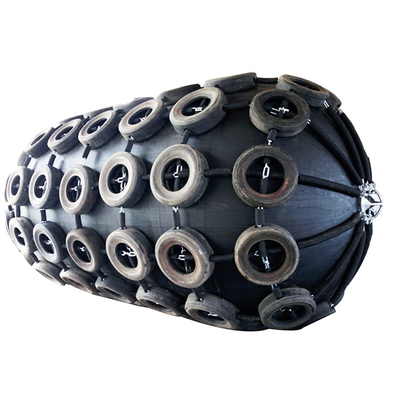
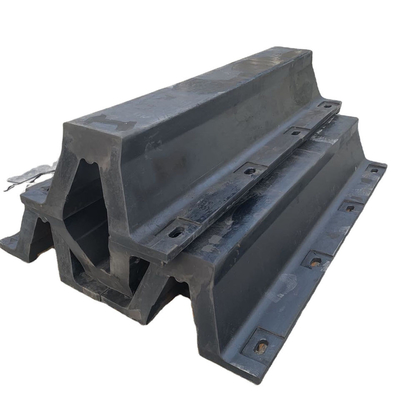
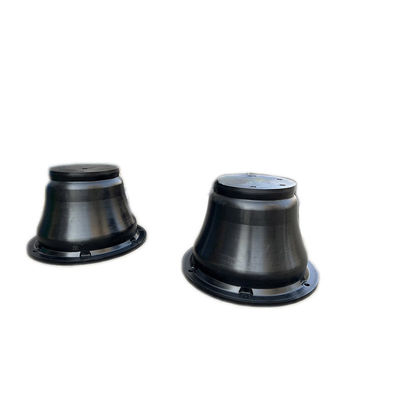
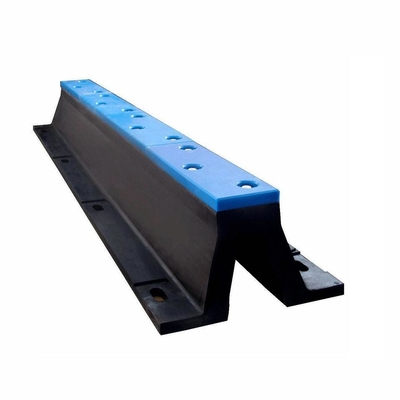
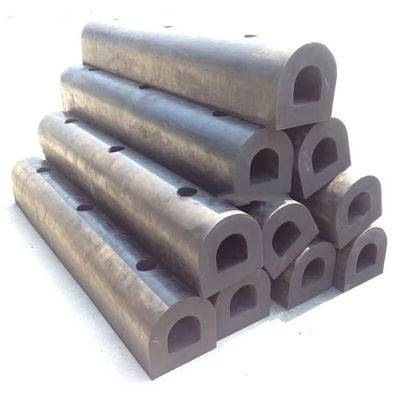
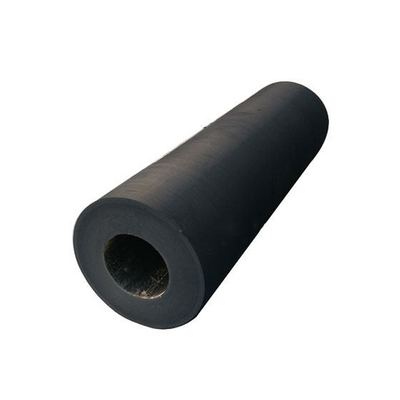
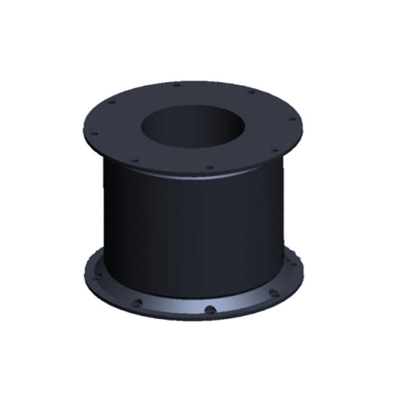
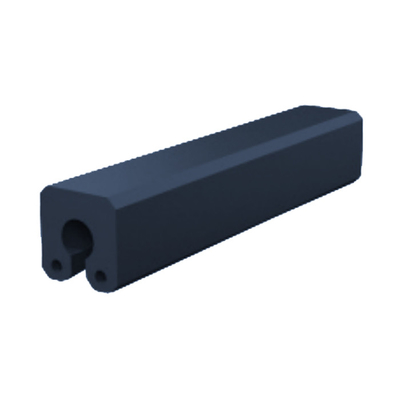
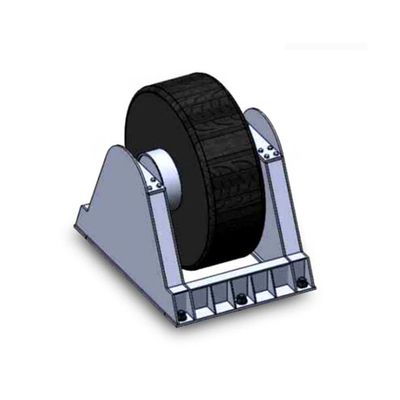
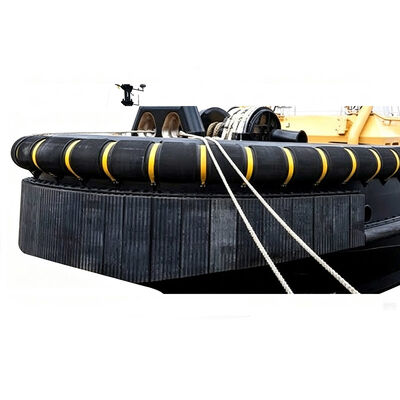
Tug Boat Fenders are engineered rubber protection components installed on tugboats to manage direct and indirect contact loads generated during towing, pushing, ship handling, escort, docking assistance, and marine construction activities. The fender system forms a flexible contact interface between the tugboat and the contacted vessel or floating structure, allowing mechanical interaction to occur without exposing the tug's hull directly to concentrated impact, compression, and friction forces.
The construction normally consists of a specially formulated marine rubber body manufactured to provide a controlled combination of elasticity, tensile strength, abrasion resistance, fatigue resistance, and environmental durability. Depending on the vessel configuration, the fender may be supplied in cylindrical, D-shaped, M-type, W-type, or other customized profiles.
A marine construction contractor in the United Arab Emirates operated a 3,600 hp ASD tug with an approximate displacement of 480 tonnes to support barge positioning, material transportation, and floating equipment relocation along a coastal construction corridor.
The operating environment presented several challenges including high-temperature exposure, strong solar radiation, and frequent contact between the tug and barges during alignment operations. A revised Tug Boat Fenders configuration was implemented with dimensions matched to the tug's working areas and rubber specification selected for abrasion resistance, repeated compression, and outdoor exposure.
During subsequent operations, the revised fender system maintained a stable contact surface and distributed pressure more consistently along the working zones. Maintenance personnel reported more even wear distribution, making condition inspection easier and allowing replacement planning to be incorporated into regular maintenance schedules.
| Place of Origin | China |
|---|---|
| Brand Name | Hongruntong Marine |
| Product Name | Tug Boat Fenders |
| Material | High Quality Natural Rubber |
| Warranty | 3 Years |
| Standard | PIANC2002, HGT2866-2016 |
| Tensile Strength | ≥16 MPA |
| Hardness | ≤82 Shore A |
| Lifespan | 15-20 Years |
| Service | OEM or ODM |
| Color | Customers' Requirements |
| Application | Tugboat, Workboat etc |
| D*d | E | A max | B max | C | M | F | L |
|---|---|---|---|---|---|---|---|
| 250*125 | 190 | 200 | 570 | 500 | 75 | 300 | 2-13 metres in one section or joined for longer length |
| 300*150 | 225 | 225 | 600 | 700 | 75 | 350 | |
| 380*190 | 280 | 225 | 650 | 800 | 100 | 400 | |
| 400*200 | 300 | 250 | 670 | 800 | 100 | 400 | |
| 450*225 | 350 | 250 | 700 | 850 | 100 | 400 | |
| 480*240 | 350 | 250 | 700 | 850 | 100 | 400 | |
| 500*250 | 375 | 280 | 730 | 900 | 100 | 400 | |
| 540*270 | 375 | 280 | 730 | 900 | 100 | 400 | |
| 600*300 | 450 | 300 | 800 | 900 | 125 | 500 | |
| 700*350 | 500 | 350 | 870 | 950 | 125 | 500 | |
| 800*400 | 600 | 350 | 930 | 1000 | 125 | 500 | |
| 900*450 | 675 | 350 | 1000 | 1100 | 150 | 500 |
The required performance is influenced by tug displacement, vessel contact speed, propulsion force, contact angle, contact area, fender profile, rubber hardness, and supporting hull structure. The fender should not be selected from vessel tonnage alone because actual contact conditions determine the mechanical load transferred through the system.
Yes, provided the rubber compound and design are selected for the expected temperature and environmental exposure. High ambient temperature, direct solar radiation, seawater, and repeated mechanical loading should all be considered during material selection.
Uneven wear can result from concentrated contact, incorrect installation, irregular hull geometry, or repeated contact at one particular location. Appropriate profile dimensions, correct mounting alignment, sufficient contact area, and suitable rubber characteristics can help distribute loads more evenly.
For sectional fender arrangements, individual damaged or excessively worn sections can generally be replaced without replacing every component. The replacement section should match the original profile, dimensions, rubber specification, and mounting arrangement.
Service life varies considerably according to contact frequency, abrasion, compression, environmental exposure, installation quality, and maintenance. Regular inspection should monitor cracking, permanent deformation, excessive abrasion, and other signs of deterioration so replacement can be scheduled according to actual service condition.