Rubber Fender Heavy Duty Structure Impact Mitigation Anti Corrosion Long Lasting Performance
Description
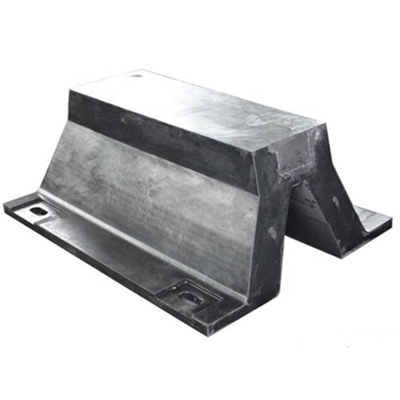
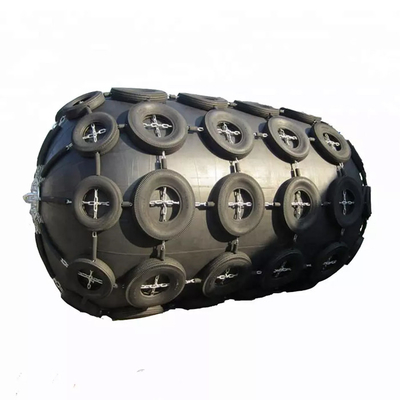
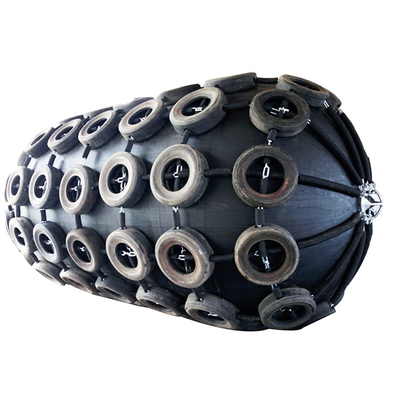
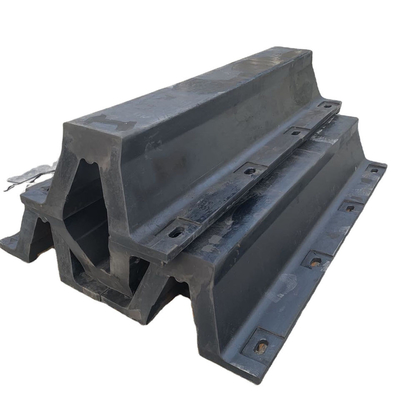
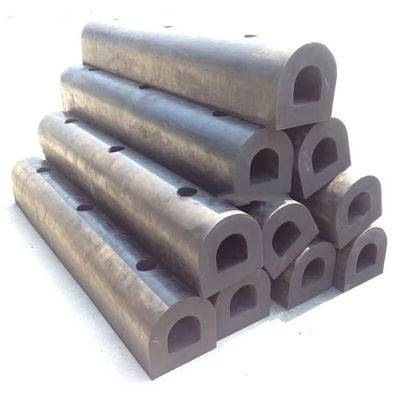
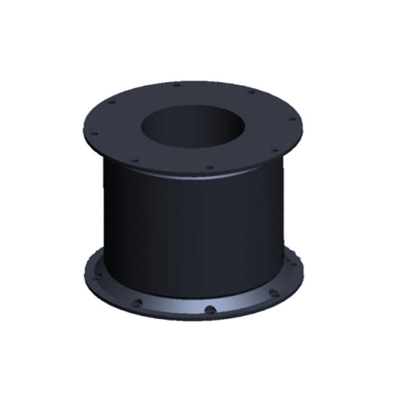
Tug Boat Fenders are essential components for maritime safety, designed to protect tugboats and the vessels they assist during berthing, towing, and escort operations. These fenders combine advanced rubber technology with reinforced steel or composite structures to ensure high energy absorption, uniform load distribution, and long-term durability in challenging marine environments.
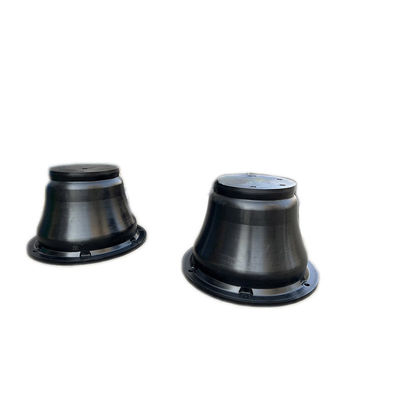
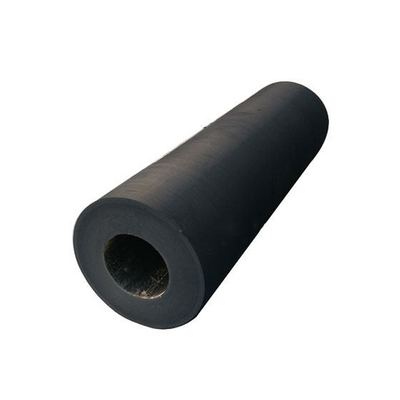
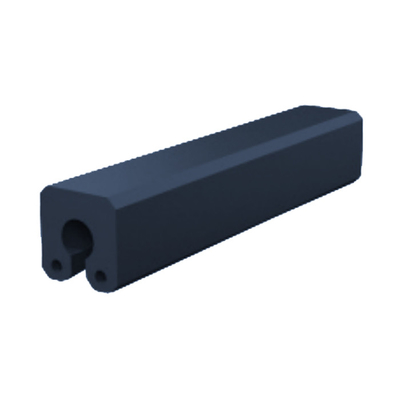
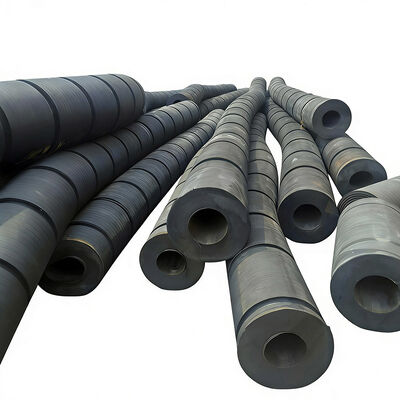
Constructed with a blend of high-quality natural and synthetic rubbers, Tug Boat Fenders are optimized for elasticity, fatigue resistance, and environmental durability. Additives provide UV, ozone, and chemical resistance, allowing the fenders to withstand prolonged exposure to sunlight, saltwater, and temperature fluctuations without degradation. The geometric design—such as cylindrical, cone, or modular cell structures—ensures predictable load-deflection behavior, smooth compression, and minimal peak stress, protecting both vessel hulls and dock structures.
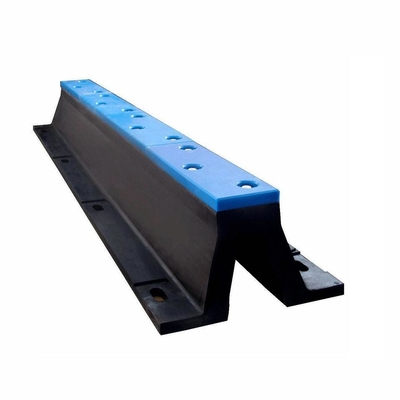
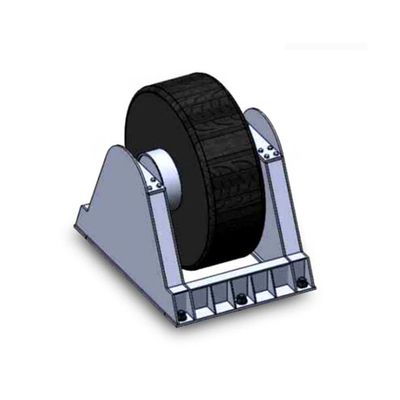
Steel flanges or mounting brackets are precision-engineered to maintain structural integrity under repeated high-energy impacts. Corrosion-resistant coatings protect against saline environments, while UHMW-PE friction-reducing pads on the fender face enhance sliding performance during side pushes or stern maneuvers, reducing hull damage and improving operational safety.
These fenders are suitable for diverse applications, including industrial terminals, high-traffic ports, offshore towing operations, and shipyards. They provide predictable performance, reduce maintenance requirements, and increase crew safety, making them indispensable for modern tug operations.
Case Title: Tug Fleet Upgrade at a Northern European Container Terminal
A leading Northern European container terminal sought to upgrade its tug fleet’s fender systems after recurring incidents of minor hull damage and excessive wear during high-frequency container ship berthings. The previous fenders exhibited uneven energy absorption and unpredictable peak reaction forces, leading to operational inefficiencies, increased maintenance costs, and safety concerns for the crew.
Hongruntong Marine was commissioned to deliver a durable and high-performance solution. The engineering team conducted a comprehensive analysis, assessing tug displacement, bow flare, approach speed, tidal variations, wind conditions, and potential wave impact forces. Advanced finite element simulations identified high-stress regions on tug hulls and potential overloading points during lateral pushes, stern maneuvers, and multi-vessel berthings.
Based on the findings, Hongruntong designed a custom series of modular cylindrical and cell-type fenders with reinforced steel flanges and thick UHMW-PE sliding panels. Multi-layered rubber compounds were selected for high fatigue resistance, elasticity, UV stability, and chemical durability. The steel flanges were CNC-machined, corrosion-protected, and precision-bonded to the rubber to ensure long-term structural integrity.
Installation was performed during scheduled maintenance periods, ensuring precise alignment for uniform hull contact. Over a 36-month monitoring period, performance metrics showed significant improvements: hull stress decreased by over 85%, maintenance cycles were extended, and crew reported smoother handling with reduced jolts and lateral motion during high-speed berthings. Despite frequent high-energy impacts from vessels exceeding 250 meters in length, the fenders demonstrated minimal wear, confirming their reliability and long-term performance.
This project demonstrates how advanced material design, precision engineering, and modular construction can dramatically enhance tug fleet performance, reduce maintenance costs, and increase operational safety in high-frequency container terminal environments.
Specifications
| Place of Origin |
China |
| Brand Name |
Hongruntong Marine |
| Product Name |
Tug Boat Fenders |
| Material |
High Quality Natural Rubber |
| Warranty |
3 Years |
| Standard |
PIANC2002, HGT2866-2016 |
| Tensile Strength |
≥16 MPA |
| Hardness |
≤82 Shore A |
| Lifespan |
15-20 Years |
| Service |
OEM or ODM |
| Color |
Customers' Requirements |
| Application |
Tugboat, Workboat etc |
| D*d |
E |
Amax |
Bmax |
C |
M |
F |
L |
| 250*125 |
190 |
200 |
570 |
500 |
75 |
300 |
2-13 metres in one section or joined for longer length |
| 300*150 |
225 |
225 |
600 |
700 |
75 |
350 |
| 380*190 |
280 |
225 |
650 |
800 |
100 |
400 |
| 400*200 |
300 |
250 |
670 |
800 |
100 |
400 |
| 450*225 |
350 |
250 |
700 |
850 |
100 |
400 |
| 480*240 |
350 |
250 |
700 |
850 |
100 |
400 |
| 500*250 |
375 |
280 |
730 |
900 |
100 |
400 |
| 540*270 |
375 |
280 |
730 |
900 |
100 |
400 |
| 600*300 |
450 |
300 |
800 |
900 |
125 |
500 |
| 700*350 |
500 |
350 |
870 |
950 |
125 |
500 |
| 800*400 |
600 |
350 |
930 |
1000 |
125 |
500 |
| 900*450 |
675 |
350 |
1000 |
1100 |
150 |
500 |
Features
High Efficiency Energy Absorption
Tug Boat Fenders are engineered for maximum energy absorption across a wide range of impact velocities and vessel sizes. Advanced geometric designs, such as cell and cylindrical structures, allow smooth compression and uniform load distribution. This reduces peak forces on both the tug and the assisted vessel, minimizing hull deformation, structural stress, and maintenance requirements. Computational modeling ensures optimal reaction force curves, providing predictable performance during complex berthing operations.
Durable Rubber Compounds
The fenders utilize multi-layered rubber blends with synthetic and natural components, reinforced with high-strength fibers. These compounds provide UV and ozone resistance, chemical stability, and superior fatigue life. Even after thousands of berthings, the rubber maintains its elasticity, dimensional stability, and energy absorption capacity, ensuring long-term performance in challenging marine environments.
Robust Structural Reinforcement
Steel flanges and mounting brackets are precision-engineered, CNC-machined, and corrosion-protected to maintain structural integrity under repeated high-energy impacts. The controlled vulcanization process ensures a strong rubber-to-steel bond, while UHMW-PE friction-reducing pads minimize hull wear and improve sliding performance during lateral or stern maneuvers. This combination guarantees reliable protection, structural stability, and operational safety over the fender’s entire service life.
Modular, Flexible Design
Fenders are modular and can be installed on bow, side, and stern locations. Customizable dimensions, deflection capacity, and mounting configurations allow adaptation to different tug sizes and operational requirements. Modular replacement reduces operational downtime and maintenance costs, while providing operators flexibility in configuring energy absorption characteristics for specific berthing scenarios or vessel classes.
Applications
High Frequency Container and Cargo Terminals
Fenders provide consistent energy absorption during repeated berthings of vessels with varying hull geometries, reducing maintenance and downtime while protecting tugs and assisted vessels.
Industrial and Oil Terminals
High-energy impacts from tankers and chemical carriers are efficiently absorbed, protecting tugs from hull stress and structural damage while ensuring operational safety.
Offshore Towing and Escort Operations
Fenders safeguard tugs during side pushes, stern maneuvers, and towing operations in dynamic offshore environments. Friction-reducing pads and high-energy absorption materials maintain vessel stability and prevent structural damage.
Why Choose Hongruntong Marine
Comprehensive Engineering Solutions
Hongruntong provides detailed berthing energy analysis, finite element modeling, and operational assessment to optimize fender design for vessel type, frequency, and environmental conditions.
Advanced Material Expertise
Rubber compounds are engineered for high tensile strength, fatigue resistance, UV stability, and chemical durability. Reinforced flanges and UHMW-PE pads ensure long-term structural integrity under repeated high-energy impacts.
Customizable and Modular Designs
Fenders can be tailored in dimensions, deflection, energy absorption, and mounting configuration. Modular construction allows replacement of individual units without dry-docking, reducing downtime and maintenance costs.
Lifecycle Support and Maintenance Services
Hongruntong provides installation supervision, performance monitoring, routine inspections, and post-installation audits, ensuring maximum fender lifespan, operational efficiency, and crew safety.
FAQ
Q1: Can these fenders handle repeated high-energy berthings?
A: Yes. Multi-layer rubber compounds, reinforced flanges, and optimized geometry ensure consistent energy absorption and minimal rebound over thousands of berthings.
Q2: Are fenders compatible with different tug sizes?
A: Yes. Dimensions, deflection capacity, and flange design can be customized for various tug sizes and operational requirements.
Q3: How do fenders perform in harsh environmental conditions?
A: Materials are UV- and ozone-resistant, corrosion-protected, and engineered for temperature fluctuations, high salinity, and chemical exposure, ensuring consistent performance.
Q4: What maintenance routines are recommended?
A: Inspect bolts, flanges, rubber surfaces, and UHMW-PE pads every 6–12 months. Replace worn components promptly to maintain optimal performance.
Q5: What is the expected service life of these fenders?
A: Typically 15–20 years with proper maintenance, maintaining material and structural integrity even under frequent high-energy berthings.


 Your message must be between 20-3,000 characters!