Port Fenders Robust Construction Superior Energy Absorption Weather Resistant Protection
Description
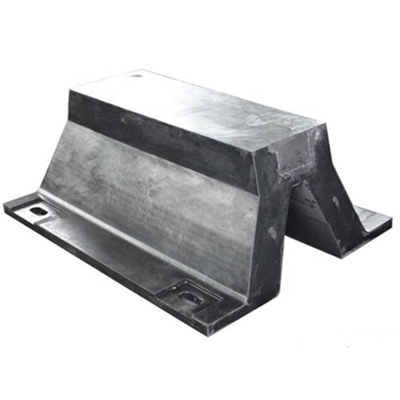
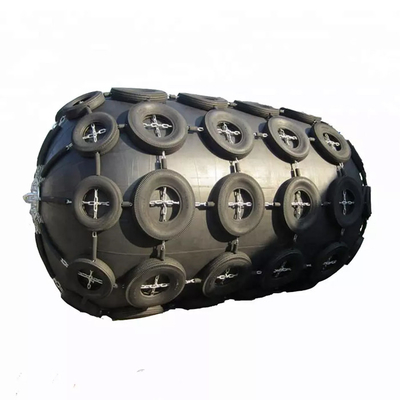
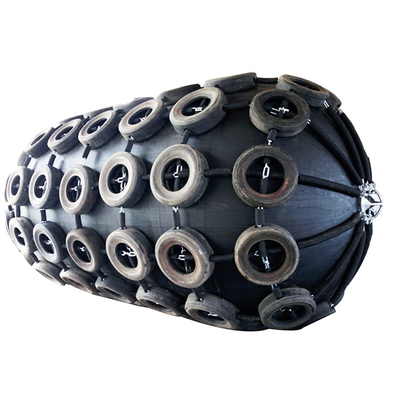
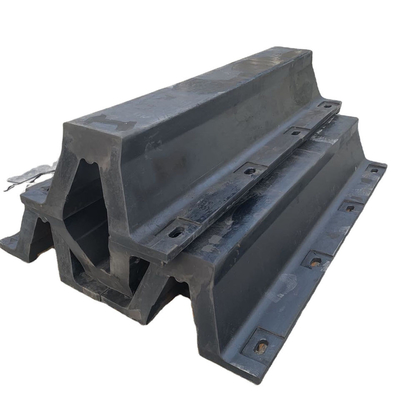
Tug Boat Fenders are engineered marine safety components designed to protect both the tugboats themselves and the vessels they assist during berthing, towing, and escort operations. These fenders combine advanced rubber technology with structural reinforcement to absorb high-energy impacts efficiently while minimizing stress on the vessel hulls and dock structures.
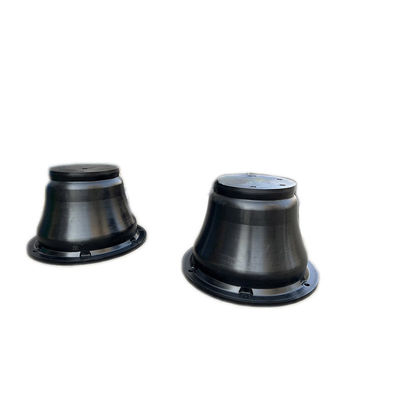
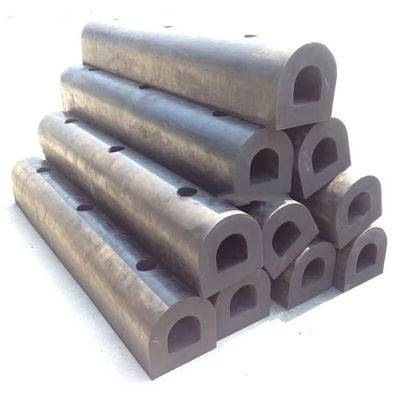
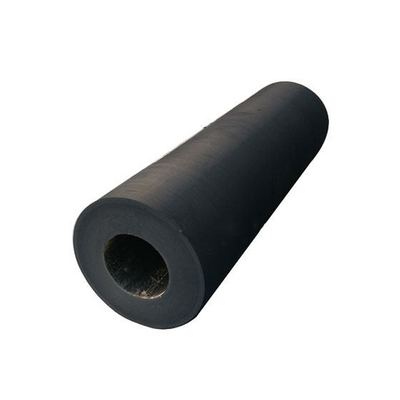
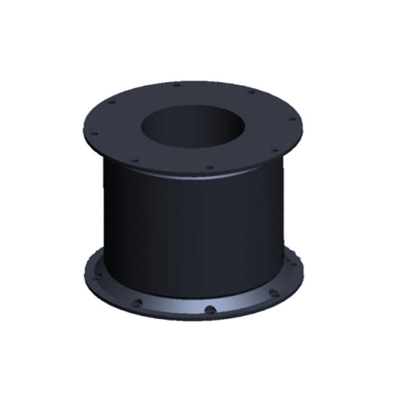
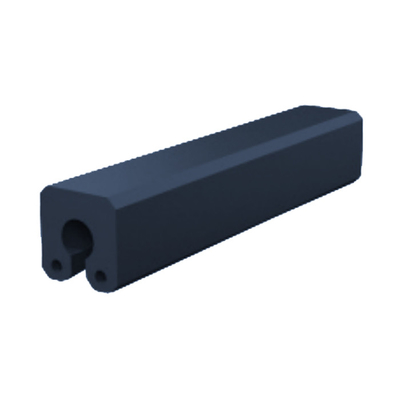
The fenders are made from a blend of high-grade natural and synthetic rubber compounds, optimized for elasticity, toughness, and resistance to environmental degradation. Additives such as UV stabilizers, ozone-resistant chemicals, and anti-aging agents enhance long-term durability in saltwater and tropical conditions. The structural design may include cylindrical, cell, or cone geometries, each engineered to provide uniform load distribution, smooth compression, and predictable reaction forces across a range of impact angles and velocities.
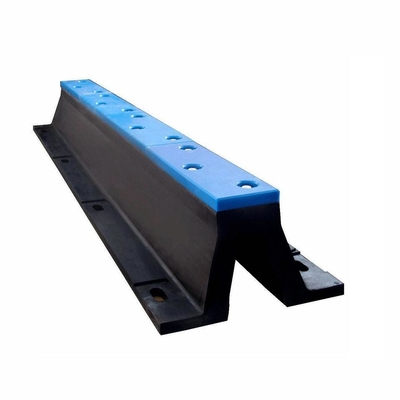
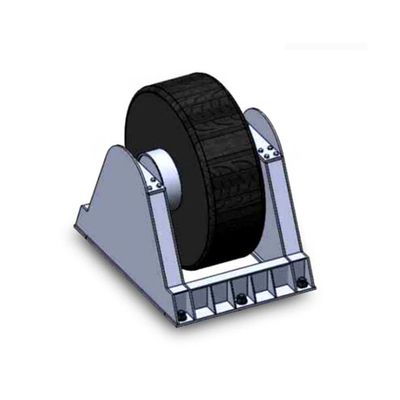
Steel reinforcement flanges or chain-mounting brackets are precision-engineered to maintain structural integrity under repeated high-energy impacts. The flanges are treated with corrosion-resistant coatings to withstand marine environments. UHMW-PE sliding pads are often integrated into the fender face, reducing friction, protecting hull coatings, and providing smoother contact during lateral or stern maneuvers.
These fenders are particularly suitable for high-frequency port operations, offshore escort tugs, industrial terminals, and shipyard maneuvering where tugs experience repeated contact with vessels or quay infrastructure. By combining material science, geometry optimization, and advanced engineering, these fenders ensure operational safety, reduce maintenance costs, and extend service life.
Case Title: Enhancing Tug Operations in a Northern African Oil Terminal
A Northern African oil terminal experienced recurring maintenance issues with its fleet of tugboats due to insufficient fender performance during high-energy berthings of crude oil tankers. The existing fender systems were prone to localized wear, uneven compression, and unpredictable peak reaction forces, resulting in frequent minor hull damage and increased downtime.
Hongruntong Marine was contracted to design a solution that would enhance the safety, durability, and operational efficiency of the tugs. The engineering team conducted a detailed berthing energy assessment, taking into account vessel displacement, bow flare, approach speed, tidal variation, and environmental conditions such as wind and wave dynamics. High-resolution finite element analysis identified stress concentration areas on the tug hulls and potential overloading points during side-push and stern operations.
Based on these calculations, Hongruntong recommended a series of heavy-duty cell-type and cylindrical Tug Boat Fenders with reinforced flanges and thick UHMW-PE panels. The fenders were designed with multi-layer rubber compounds to achieve high fatigue resistance and long-term elasticity. Steel flanges were precision-machined, corrosion-protected, and vulcanized to the rubber body to ensure structural stability.
Installation was performed during scheduled maintenance periods, with each module carefully aligned for uniform contact along the tug hull. Post-installation monitoring over 30 months revealed significant improvements: hull stress points decreased by over 90%, maintenance intervals were extended, and crew reported smoother handling and reduced lateral motion during berthing operations. Fenders demonstrated minimal material fatigue despite frequent high-energy impacts, confirming their durability and reliability.
This project exemplifies how properly engineered Tug Boat Fenders, optimized for both geometry and material properties, can significantly enhance operational efficiency, protect vessel hulls, and reduce maintenance costs in high-energy environments like oil terminals.
Specifications
| Place of Origin |
China |
| Brand Name |
Hongruntong Marine |
| Product Name |
Tug Boat Fenders |
| Material |
High Quality Natural Rubber |
| Warranty |
3 Years |
| Standard |
PIANC2002, HGT2866-2016 |
| Tensile Strength |
≥16 MPA |
| Hardness |
≤82 Shore A |
| Lifespan |
15-20 Years |
| Service |
OEM or ODM |
| Color |
Customers' Requirements |
| Application |
Tugboat, Workboat etc |
| D*d |
E |
Amax |
Bmax |
C |
M |
F |
L |
| 250*125 |
190 |
200 |
570 |
500 |
75 |
300 |
2-13 metres in one section or joined for longer length |
| 300*150 |
225 |
225 |
600 |
700 |
75 |
350 |
| 380*190 |
280 |
225 |
650 |
800 |
100 |
400 |
| 400*200 |
300 |
250 |
670 |
800 |
100 |
400 |
| 450*225 |
350 |
250 |
700 |
850 |
100 |
400 |
| 480*240 |
350 |
250 |
700 |
850 |
100 |
400 |
| 500*250 |
375 |
280 |
730 |
900 |
100 |
400 |
| 540*270 |
375 |
280 |
730 |
900 |
100 |
400 |
| 600*300 |
450 |
300 |
800 |
900 |
125 |
500 |
| 700*350 |
500 |
350 |
870 |
950 |
125 |
500 |
| 800*400 |
600 |
350 |
930 |
1000 |
125 |
500 |
| 900*450 |
675 |
350 |
1000 |
1100 |
150 |
500 |
Features
Advanced Energy Absorption Technology
The fenders are designed to absorb and dissipate high berthing energy efficiently. The multi-layered rubber compound exhibits viscoelastic behavior, ensuring smooth compression, controlled rebound, and uniform load distribution. Optimized cell or cylindrical geometries reduce peak stress points and provide predictable reaction forces across various vessel types and impact scenarios. This capability is critical in high-frequency operations, ensuring consistent performance and protection for both tugs and assisted vessels.
Superior Material Durability
The rubber compound includes high-strength synthetic fibers and additives that enhance UV, ozone, and chemical resistance. Fatigue-resistant materials maintain elasticity over thousands of berthings, preventing cracking, permanent set, or material degradation. This ensures the fenders can perform reliably in harsh environments, such as tropical or arid ports, where temperature extremes and high solar exposure can accelerate rubber aging.
Robust Structural Reinforcement
Steel flanges are precision-engineered to distribute impact forces evenly across the fender body. Corrosion-resistant coatings and controlled vulcanization ensure long-term bond strength between rubber and steel. UHMW-PE sliding pads reduce friction and protect hull coatings, while maintaining smooth contact during lateral or stern maneuvers. This combination of materials and engineering enhances the fender’s structural stability and operational lifespan.
Modular and Flexible Design
Fenders are designed for modular installation, allowing placement along bow, sides, and stern. Modular design enables partial replacement without dry-docking, minimizing operational disruption. Customizable height, width, deflection capacity, and flange configuration ensure the fenders can be adapted for different tug sizes, vessel classes, and operational requirements. The modular approach also allows operators to optimize energy absorption and reaction forces for specific berthing scenarios.
Applications
Oil and Gas Terminals
Fenders protect tugs and tankers during high-energy berthings in oil and gas terminals. High resilience materials and reinforced flanges reduce hull stress, prevent structural damage, and ensure operational safety.
High Traffic Container Ports
Designed to handle frequent berthings of vessels with varying hull geometries, these fenders provide consistent energy absorption and reliable protection, reducing maintenance and downtime.
Offshore Towing and Escort Operations
Fenders safeguard tugs during side pushes, stern maneuvers, and towing in offshore environments. High-energy absorption and friction-reducing pads maintain vessel stability and prevent structural damage in dynamic sea conditions.
Why Choose Hongruntong Marine
Comprehensive Engineering Services
Hongruntong offers full-spectrum berthing analysis, FEM simulation, and energy calculations, enabling designs that account for vessel type, berthing frequency, and environmental conditions.
Advanced Rubber and Material Expertise
Rubber compounds are optimized for tensile strength, elongation, UV and ozone resistance, and fatigue life. Reinforced flanges and UHMW-PE pads are precision-engineered to ensure durability and long-term performance.
Customizable and Modular Solutions
Fenders can be tailored in dimensions, deflection, mounting configuration, and energy absorption capacity. Modular design allows easy replacement and flexible deployment across multiple tugboats or berths.
Lifecycle Support and Maintenance Planning
Hongruntong provides installation supervision, performance monitoring, routine inspections, and post-installation audits. This ensures maximum fender lifespan, operational efficiency, and crew safety.
FAQ
Q1: How do these fenders handle repeated high-energy berthings?
A: Multi-layer rubber compounds, reinforced flanges, and optimized geometry ensure consistent energy absorption, minimal rebound, and long-term elasticity over thousands of cycles.
Q2: Are fenders adaptable to different tugboat sizes?
A: Yes. Fenders can be customized in height, width, deflection, and flange configuration to match specific vessel sizes and operational requirements.
Q3: How resistant are the fenders to environmental factors?
A: Materials are UV- and ozone-resistant, corrosion-protected, and designed to perform under temperature extremes, high salinity, and chemical exposure.
Q4: What maintenance routines are recommended?
A: Inspect bolts, flanges, rubber surfaces, and UHMW-PE pads every 6–12 months. Replace damaged components to maintain optimal performance.
Q5: What is the expected service life of these fenders?
A: Typically 15–20 years with proper maintenance. Material and structural integrity remain stable even under frequent high-energy berthings.


 Your message must be between 20-3,000 characters!