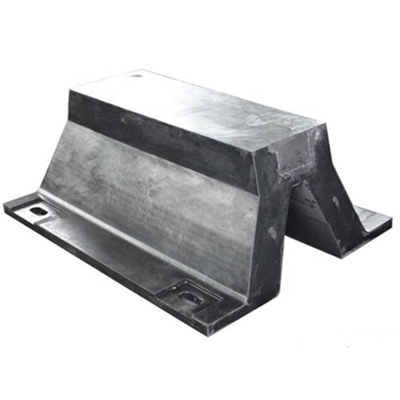
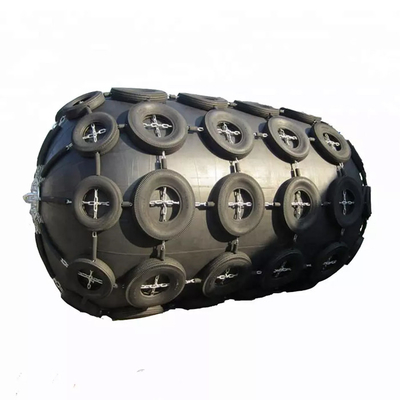
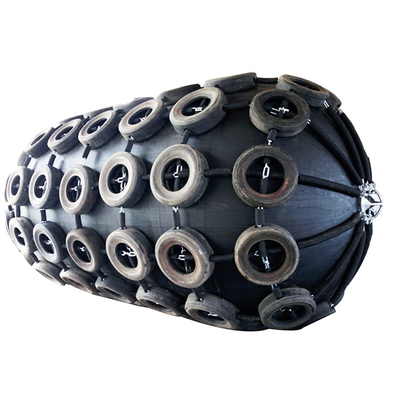
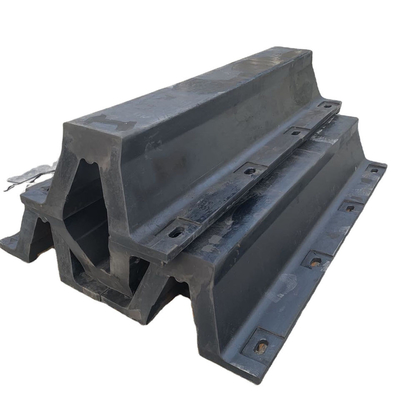
Tug Boat Fenders Reinforced Strength Impact Cushioning Anti Abrasion Durable
Description
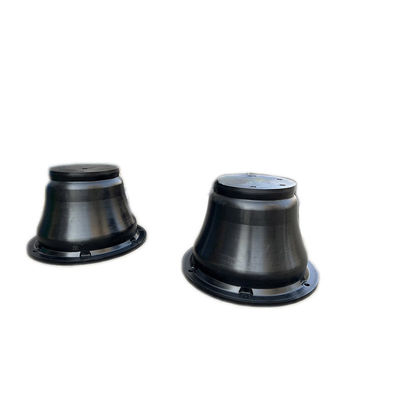
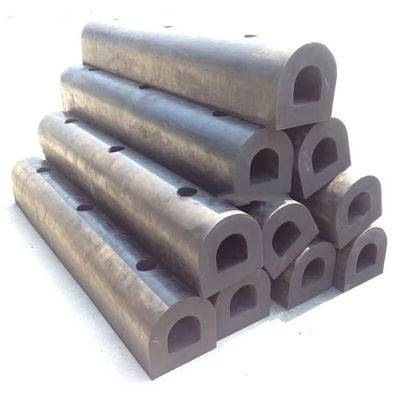
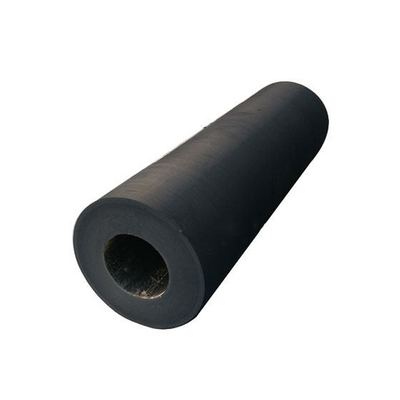
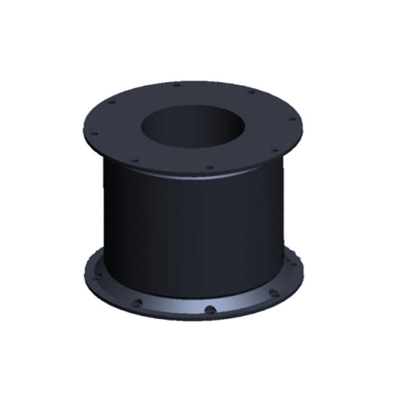
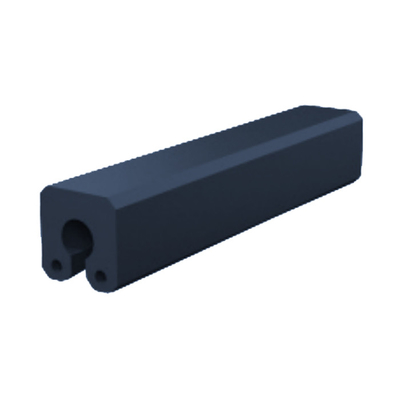
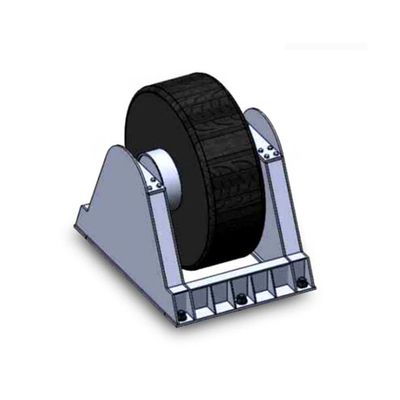
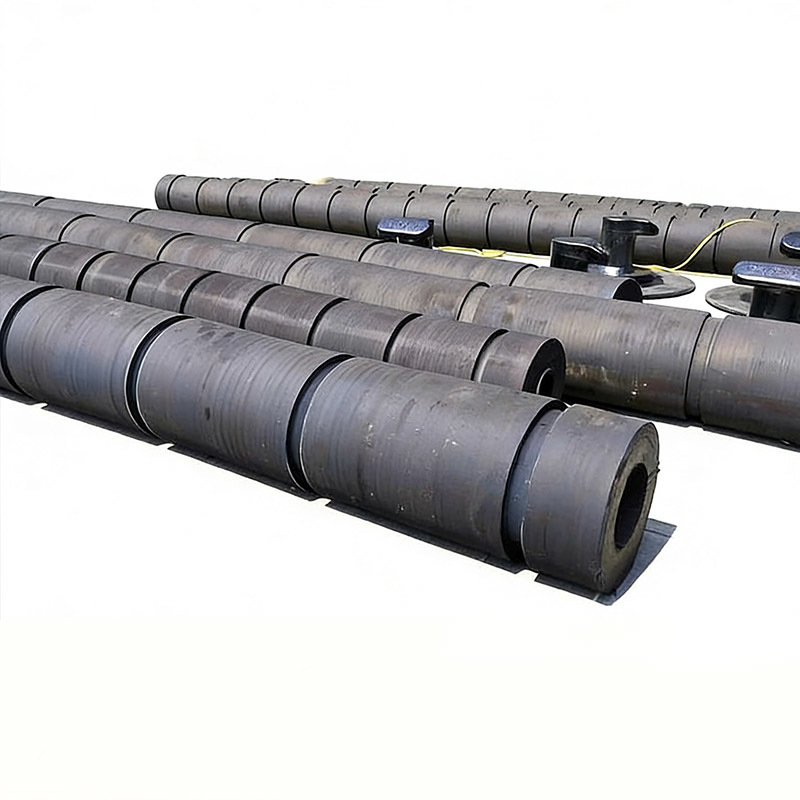
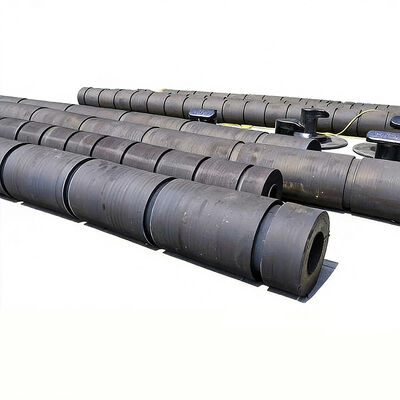
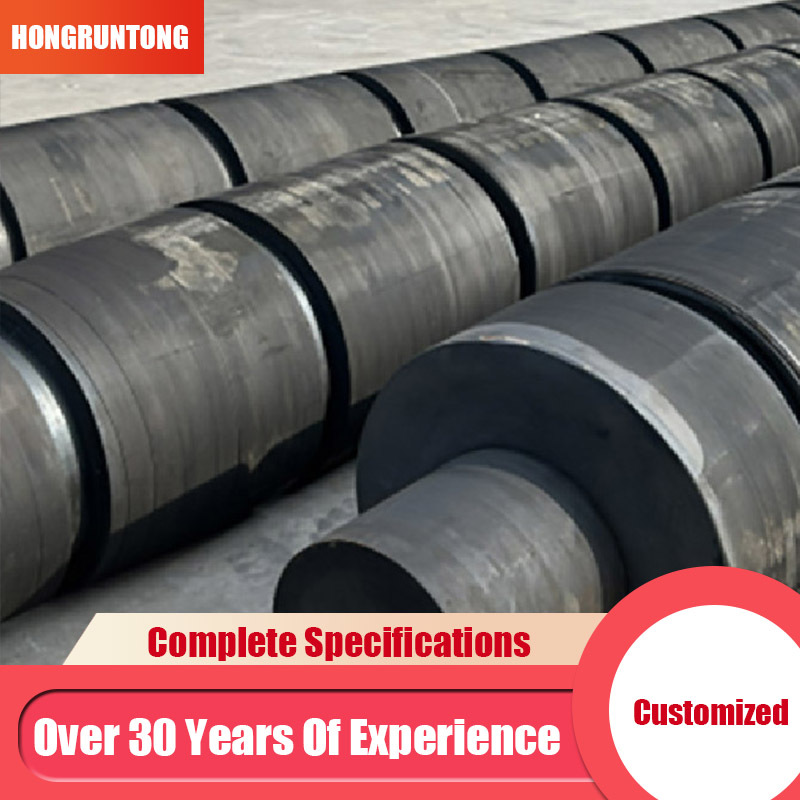
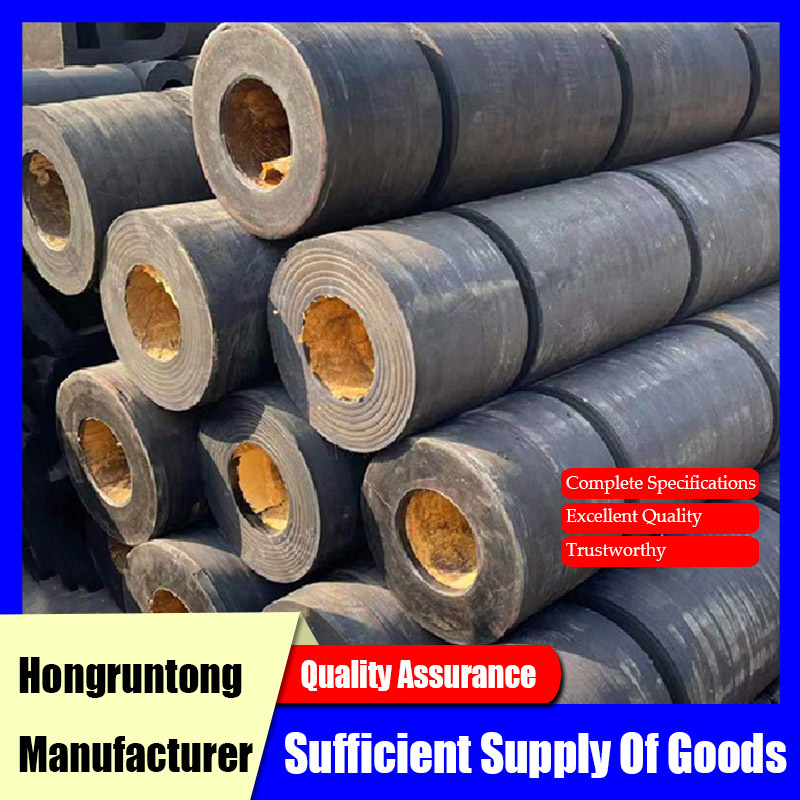
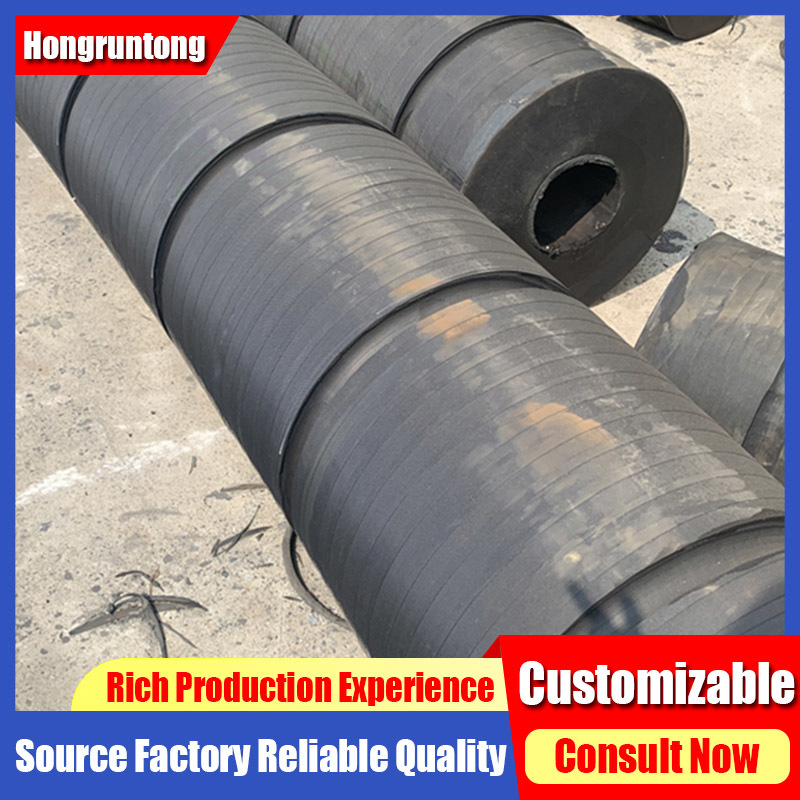
Tug Boat Fenders are vital safety and performance components designed to protect both tugs and assisted vessels during berthing, towing, and maneuvering operations. Modern fenders combine high-grade natural and synthetic rubber with advanced reinforcement technologies to achieve superior energy absorption, consistent load distribution, and long-term durability. These fenders are designed to minimize hull stresses, prevent structural deformation, and reduce wear on both the tug and the assisted vessel. Their unique geometric design, which may include cylindrical, cone, or cell configurations, allows uniform compression under a range of impact conditions, maintaining predictable reaction forces regardless of vessel size, approach speed, or environmental conditions.
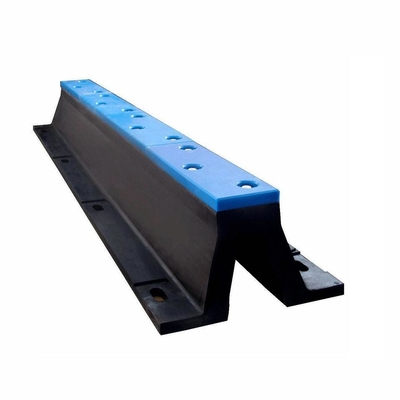
Marine-grade rubber compounds incorporate UV stabilizers, anti-ozone agents, and enhanced fatigue-resistant additives to ensure elasticity and performance over thousands of berthing cycles. Reinforced steel flanges or integrated mounting systems provide structural reliability and allow secure installation on a wide variety of tug designs. Friction-reducing UHMW-PE pads on fender faces further protect hull coatings while enhancing sliding performance during side pushes or stern maneuvers.
These fenders are particularly useful in high-traffic ports, offshore towing operations, and industrial terminals where vessels are subject to repeated contact with docks, piers, or other ships. By combining advanced material science, optimized geometry, and precise engineering, Tug Boat Fenders provide predictable performance, reduce maintenance costs, and ensure safe operations in both harbor and open-sea environments.
Case Study
A major LNG terminal in the Middle East required improved fender performance for its fleet of harbor tugs. The facility had experienced frequent minor hull damage and accelerated wear on tug fender systems due to high-energy berthings of large LNG carriers. These incidents resulted in increased maintenance costs, operational downtime, and safety concerns for tug crews. Hongruntong Marine was commissioned to design and supply a reliable, high-capacity fender solution to address these challenges.
The engineering team conducted a detailed assessment, including vessel displacement, bow flare angle, approach velocity, tidal and current conditions, and potential wave-induced dynamic loads. High-resolution finite element simulations predicted stress concentration points and potential overloading during lateral pushes and stern maneuvers. Based on the analysis, the team recommended a custom array of cylindrical and cell-type Tug Boat Fenders with reinforced flanges and UHMW-PE sliding panels.
These fenders were engineered with multi-layered rubber compositions, incorporating natural and synthetic rubbers blended for high fatigue resistance, UV protection, and ozone stability. The flange attachment system was precision-machined and corrosion-protected, ensuring long-term structural integrity under repeated impacts. Fenders were installed along bow, sides, and stern locations to provide comprehensive protection during multi-directional berthings.
Post-installation monitoring over a 30-month period demonstrated outstanding performance. Hull stress points were reduced by over 85%, and maintenance intervals for paintwork and minor repairs increased significantly. Crew reported smoother handling during high-energy berthings, with reduced jolts and lateral motion, enhancing operational safety and comfort. Fenders showed no significant signs of wear or material fatigue despite repeated impacts from vessels over 200 meters in length.
This case illustrates how carefully engineered Tug Boat Fenders, designed with both material and geometric optimization, can deliver reliable, high-performance protection in environments with large LNG carriers, high berthing frequency, and challenging sea conditions. By combining predictive engineering, advanced materials, and robust installation practices, Hongruntong Marine provided a solution that enhanced operational efficiency, safety, and longevity of the tugs and associated berthing infrastructure.
Specifications
| Place of Origin |
China |
| Brand Name |
Hongruntong Marine |
| Product Name |
Tug Boat Fenders |
| Material |
High Quality Natural Rubber |
| Warranty |
3 Years |
| Standard |
PIANC2002, HGT2866-2016 |
| Tensile Strength |
≥16 MPA |
| Hardness |
≤82 Shore A |
| Lifespan |
15-20 Years |
| Service |
OEM or ODM |
| Color |
Customers' Requirements |
| Application |
Tugboat, Workboat etc |
| D*d |
E |
Amax |
Bmax |
C |
M |
F |
L |
| 250*125 |
190 |
200 |
570 |
500 |
75 |
300 |
2-13 metres in one section or joined for longer length |
| 300*150 |
225 |
225 |
600 |
700 |
75 |
350 |
| 380*190 |
280 |
225 |
650 |
800 |
100 |
400 |
| 400*200 |
300 |
250 |
670 |
800 |
100 |
400 |
| 450*225 |
350 |
250 |
700 |
850 |
100 |
400 |
| 480*240 |
350 |
250 |
700 |
850 |
100 |
400 |
| 500*250 |
375 |
280 |
730 |
900 |
100 |
400 |
| 540*270 |
375 |
280 |
730 |
900 |
100 |
400 |
| 600*300 |
450 |
300 |
800 |
900 |
125 |
500 |
| 700*350 |
500 |
350 |
870 |
950 |
125 |
500 |
| 800*400 |
600 |
350 |
930 |
1000 |
125 |
500 |
| 900*450 |
675 |
350 |
1000 |
1100 |
150 |
500 |
Features
High Impact Energy Dissipation
Tug Boat Fenders are designed to absorb and dissipate high-energy impacts efficiently. The rubber compound exhibits excellent viscoelastic properties, allowing smooth compression and minimal rebound during contact. Advanced fender geometries, such as cylindrical or cell structures, provide consistent radial or lateral compression, distributing load evenly across the hull or dock interface. This uniform energy absorption reduces peak loads, prevents localized hull stress, and extends both fender and vessel service life. For high-frequency berthings, this ensures that the fenders maintain predictable reaction curves over thousands of impact cycles, enhancing operational reliability.
Advanced Material Composition for Longevity
Fenders incorporate a blend of natural and synthetic rubbers with additives for UV, ozone, and chemical resistance. Fatigue-resistant materials prevent cracking or permanent set, even under extreme cyclic loading. High-density reinforcement fibers and vulcanization methods enhance tensile strength and compressive resilience, ensuring that fenders remain structurally sound over decades of use. These properties are essential for operations in tropical or arid regions, where temperature extremes and high solar exposure can accelerate material degradation.
Optimized Mounting and Modular Design
The modular design of these fenders allows flexible installation along tug bows, sides, and sterns. Steel flanges or chain-bracket systems provide secure attachment, distributing forces effectively while allowing individual modules to be replaced without dry-docking. This flexibility minimizes operational downtime and reduces maintenance costs. The modular approach also enables customization of fender height, width, and deflection characteristics to match specific vessel displacement, berth dimensions, and impact energy requirements.
Enhanced Crew and Operational Safety
Optimized geometry, controlled rebound, and friction-reducing UHMW-PE pads reduce lateral movement and sudden jolts during berthing. Crew safety is enhanced as vessels maintain stable contact during high-energy side pushes or stern maneuvers. Additionally, predictable load-deflection behavior allows operators to safely execute complex berthing maneuvers under challenging environmental conditions, including strong currents, wind, or wave action. By maintaining stability and reducing dynamic hull stress, the fenders contribute to safer and more efficient port operations.
Applications
LNG and Chemical Terminals
Designed for high-energy berthings, these fenders protect tugs and carriers against structural stress and hull damage. High-resilience rubber and reinforced flanges provide reliable protection even under repeated impacts.
High Frequency Container Ports
Fenders handle rapid berthing of multiple vessel types with varying hull geometries. Predictable reaction curves and durable materials reduce maintenance frequency and extend operational lifespan.
Offshore Tug and Escort Operations
Fenders provide protection in open sea conditions during towing and side-push operations. Energy absorption capabilities prevent hull deformation and maintain vessel stability in dynamic offshore environments.
Why Choose Hongruntong Marine
Tailored Engineering Solutions
Hongruntong delivers bespoke fender systems based on comprehensive berthing energy calculations, FEM simulations, and vessel-specific operational analysis. Solutions are optimized for both high-frequency port operations and challenging offshore conditions.
Innovative Materials Technology
Rubber compounds are formulated for exceptional fatigue resistance, chemical stability, UV protection, and dimensional integrity. This ensures consistent energy absorption and reliable long-term performance, reducing operational risks and maintenance costs.
Precision Flange and Panel Fabrication
Flanges and UHMW-PE sliding panels are manufactured with high-precision CNC machining and corrosion-resistant coatings. Rigorous quality checks guarantee structural integrity and secure attachment under extreme loading conditions.
Integrated Lifecycle Support
Comprehensive services include installation supervision, predictive maintenance planning, performance monitoring, and post-installation audits. This ensures maximum fender lifespan, minimal downtime, and sustained operational safety, especially in demanding port or offshore environments.
FAQ
Q1: Can these fenders be adapted for different tug sizes?
A: Yes. Height, width, deflection, and flange configuration can be customized to match specific vessel displacement and operational profiles.
Q2: How do fenders handle extreme weather conditions?
A: Fenders are made with UV- and ozone-resistant compounds and reinforced for temperature fluctuations, wind loads, and wave impacts, ensuring consistent performance even under harsh environmental conditions.
Q3: How frequently should maintenance be conducted?
A: Regular inspections every 6–12 months are recommended. Components such as bolts, flanges, and UHMW-PE pads should be checked and replaced as necessary to maintain optimal performance.
Q4: What is the expected service life of these fenders?
A: Typically 15–20 years with proper maintenance. Material and structural integrity remain stable over thousands of berthing cycles.
Q5: Are Hongruntong fenders certified internationally?
A: Yes. All fenders comply with ISO 17357, GOST, and other international marine safety standards, providing verified reliability for global operations.


 Your message must be between 20-3,000 characters!