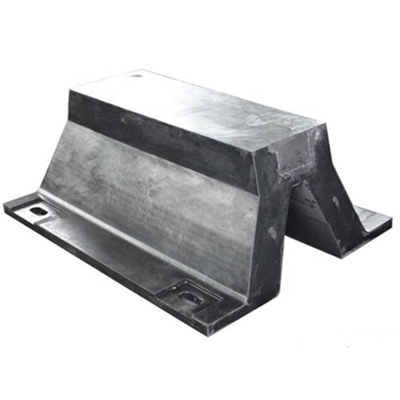
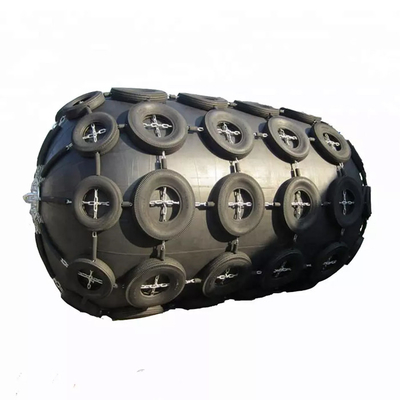
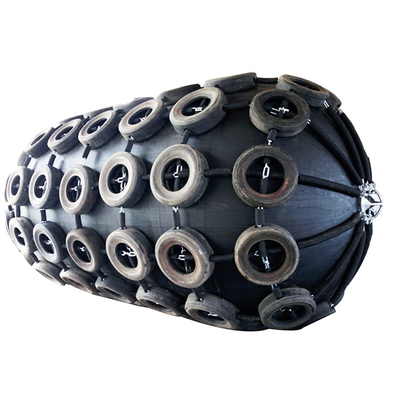
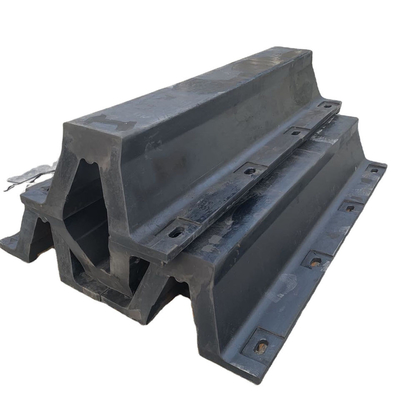
Dock Rubber Fender Heavy Duty Protection High Absorption Reliable Use
Description
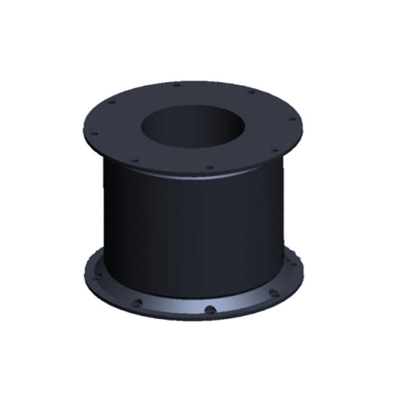
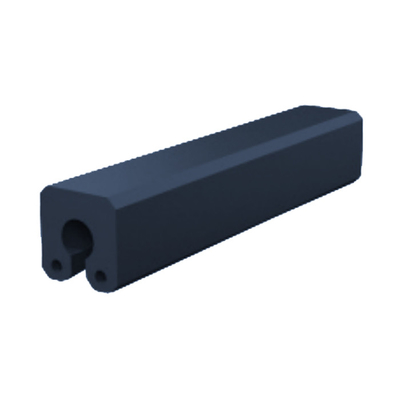
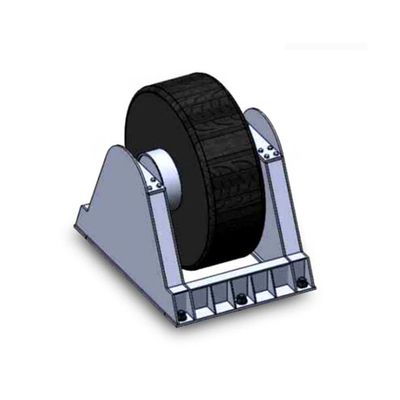
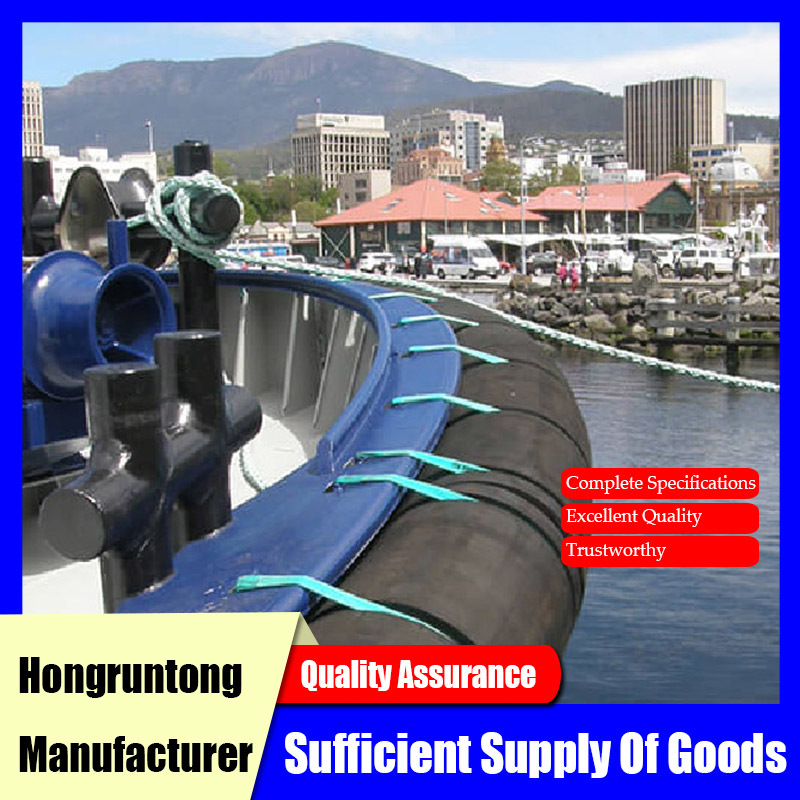
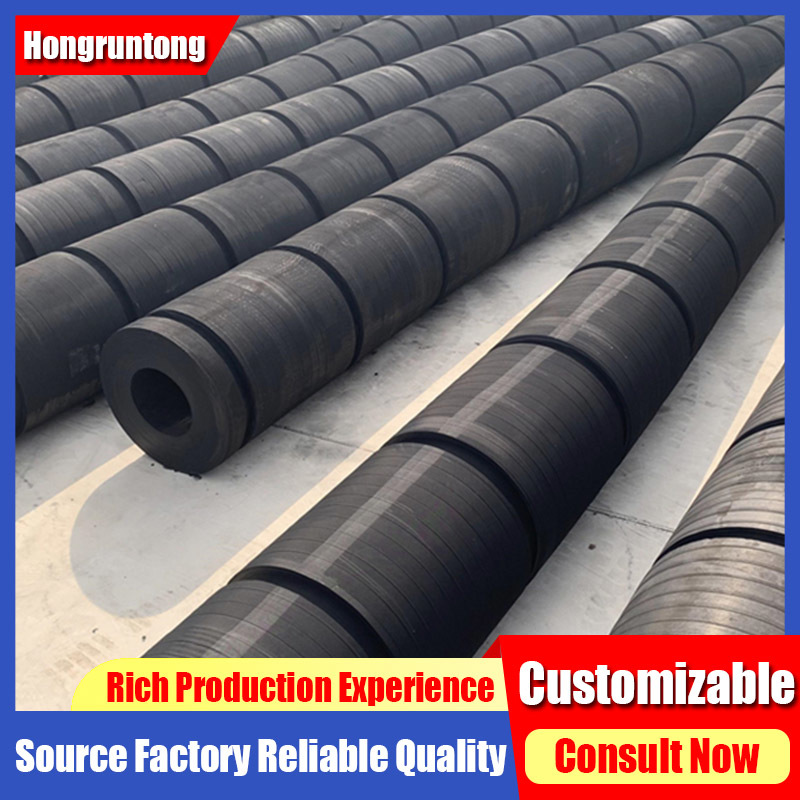
Tug Boat Fenders are essential marine protection devices designed to safeguard both vessels and port infrastructure during berthing, towing, and pushing operations. Constructed from high-quality natural and synthetic rubber blends, these fenders are engineered for superior energy absorption, long-term elasticity, and consistent performance in harsh marine environments. Their robust construction ensures structural stability while distributing impact forces evenly across the hull and dock surfaces. Reinforced steel flanges or integrated mounting systems provide mechanical integrity and allow secure attachment under repeated high-energy berthings.
Modern Tug Boat Fenders are designed to accommodate a broad range of operational conditions, including variable vessel sizes, high approach velocities, and challenging environmental factors such as strong tidal currents, waves, or offshore wind loads. The fenders’ material formulations incorporate UV and ozone resistance, aging inhibitors, and enhanced fatigue durability, which collectively reduce permanent deformation and maintain reaction force predictability over thousands of impact cycles. These design characteristics make them suitable for high-traffic ports, offshore towing operations, and terminals handling chemical, oil, or container vessels.
Case Study
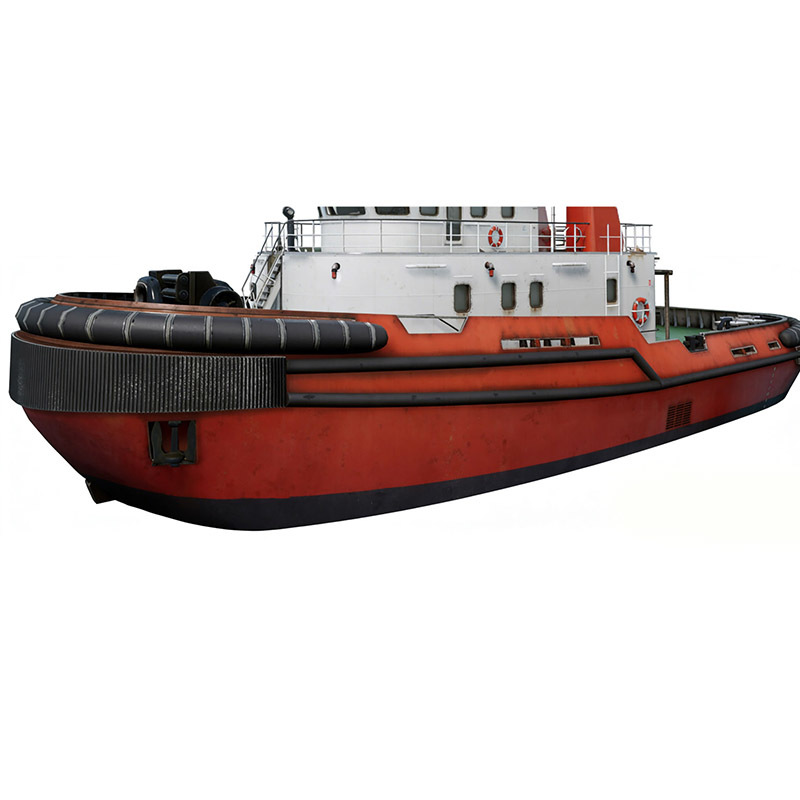
A major Northern European port faced frequent hull damage incidents involving harbor tugs that assisted large container ships during berthing operations. The existing fender system on the tugs was inconsistent in energy absorption, leading to uneven hull stress and increased maintenance costs. Port authorities commissioned Hongruntong Marine to provide a solution that would enhance safety, extend fender life, and reduce downtime.
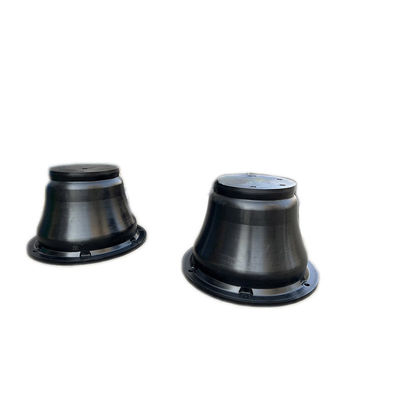
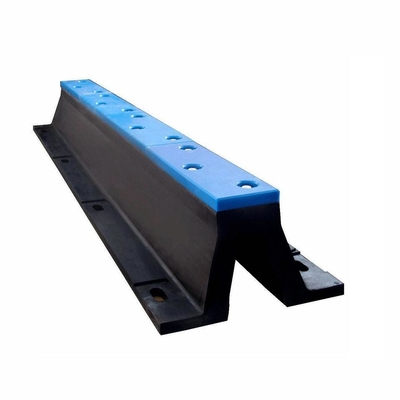
Hongruntong’s engineering team performed a comprehensive berthing analysis, evaluating tug displacement, vessel approach speeds, bow flare angles, and tidal variations. Finite element modeling identified peak stress zones along the tug hull during lateral pushes and stern operations. Based on this analysis, a series of high-capacity Cell Rubber Tug Boat Fenders with reinforced steel flanges and UHMW-PE face panels were selected. These fenders provided uniform compression, minimized rebound shock, and ensured predictable reaction forces.
Installation occurred during scheduled maintenance periods. Each fender was carefully aligned to ensure full contact with hull surfaces, and mounting bolts were torque-checked to maintain structural integrity. Over the subsequent two years, monitoring showed a 90% reduction in hull stress points and a significant decrease in minor repairs. Crew reported smoother vessel handling, particularly during high-speed docking maneuvers. Additionally, the fenders withstood severe weather events without degradation, confirming the durability of the material and structural design.
This case demonstrates how customized Tug Boat Fenders improve operational efficiency, reduce maintenance costs, and enhance crew safety. By combining advanced rubber compounds, reinforced flanges, and optimized geometry, the fenders provided a reliable, long-term solution in a high-energy, high-frequency operational environment.
Specifications
| Place of Origin |
China |
| Brand Name |
Hongruntong Marine |
| Product Name |
Tug Boat Fenders |
| Material |
High Quality Natural Rubber |
| Warranty |
3 Years |
| Standard |
PIANC2002, HGT2866-2016 |
| Tensile Strength |
≥16 MPA |
| Hardness |
≤82 Shore A |
| Lifespan |
15-20 Years |
| Service |
OEM or ODM |
| Color |
Customers' Requirements |
| Application |
Tugboat, Workboat etc |
| D*d |
E |
Amax |
Bmax |
C |
M |
F |
L |
| 250*125 |
190 |
200 |
570 |
500 |
75 |
300 |
2-13 metres in one section or joined for longer length |
| 300*150 |
225 |
225 |
600 |
700 |
75 |
350 |
| 380*190 |
280 |
225 |
650 |
800 |
100 |
400 |
| 400*200 |
300 |
250 |
670 |
800 |
100 |
400 |
| 450*225 |
350 |
250 |
700 |
850 |
100 |
400 |
| 480*240 |
350 |
250 |
700 |
850 |
100 |
400 |
| 500*250 |
375 |
280 |
730 |
900 |
100 |
400 |
| 540*270 |
375 |
280 |
730 |
900 |
100 |
400 |
| 600*300 |
450 |
300 |
800 |
900 |
125 |
500 |
| 700*350 |
500 |
350 |
870 |
950 |
125 |
500 |
| 800*400 |
600 |
350 |
930 |
1000 |
125 |
500 |
| 900*450 |
675 |
350 |
1000 |
1100 |
150 |
500 |
Features
Predictable Energy Absorption
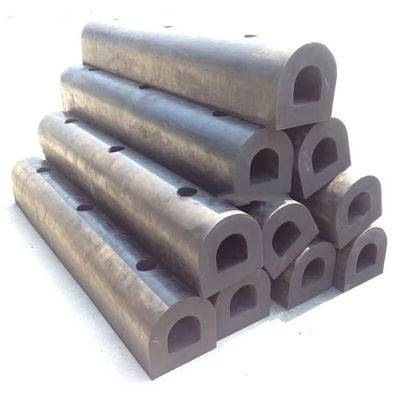
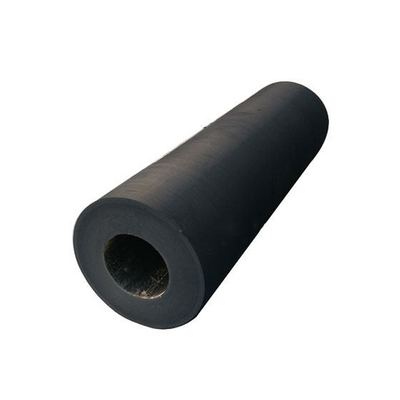
Tug Boat Fenders are engineered to absorb and dissipate impact energy efficiently. The rubber compound’s viscoelastic properties allow smooth compression, ensuring minimal rebound and consistent reaction forces across varying impact angles and speeds. Advanced cell or cylindrical geometries distribute stress uniformly, reducing localized hull pressure and extending service life. Detailed computational models guide thickness, hardness, and flange integration to match vessel displacement and operational requirements.
Durability and Environmental Resistance
The fenders’ materials are specifically formulated to resist saltwater, UV radiation, ozone, and temperature fluctuations. High fatigue resistance ensures the fenders maintain elasticity and shape after thousands of berthings. Reinforced flanges are corrosion-protected and mechanically robust, allowing long-term use in harsh port and offshore conditions. This reduces lifecycle maintenance costs and ensures reliable performance in tropical, subtropical, or temperate ports.
Flexible Installation and Modularity
Fenders can be installed via chain systems, brackets, or hull recesses, providing adaptability to different tugboat configurations. Modular designs allow customization of height, width, and deflection capacity. Individual modules can be replaced without dry-docking, minimizing downtime and reducing operational disruption during maintenance or part replacement.
Operational Safety Enhancement
Optimized fender geometry and controlled rebound reduce lateral vessel movement during docking, improving crew safety. Even under high-energy berthings, the fenders maintain stable contact with the hull, decreasing abrupt jolts and protecting onboard equipment. Their predictable load-deflection characteristics allow operators to safely execute side pushes, stern maneuvers, and high-speed berthings with minimal risk.
Applications
Harbor Berthing Assistance
Fenders protect tugboats and assisted vessels during docking and undocking, reducing hull stress and preventing damage to quay structures.
Offshore Towing and Escort Operations
High-resilience fenders safeguard tugs during side-push or stern maneuvers in open sea conditions, absorbing impact energy while maintaining vessel stability.
Shipyard and Repositioning Operations
Tug Boat Fenders prevent hull damage during maneuvering within shipyards or maintenance facilities, offering repeatable protection in confined spaces and across multiple docking cycles.
Why Choose Hongruntong Marine
Engineering Expertise
Hongruntong’s team performs full berthing energy analysis, FEM simulations, and load calculations, ensuring fender designs meet vessel-specific operational requirements.
Customized Solutions
Fender dimensions, material composition, hardness, and flange configurations are tailored to vessel type, operational environment, and berth characteristics, maximizing protection and efficiency.
High Quality Manufacturing
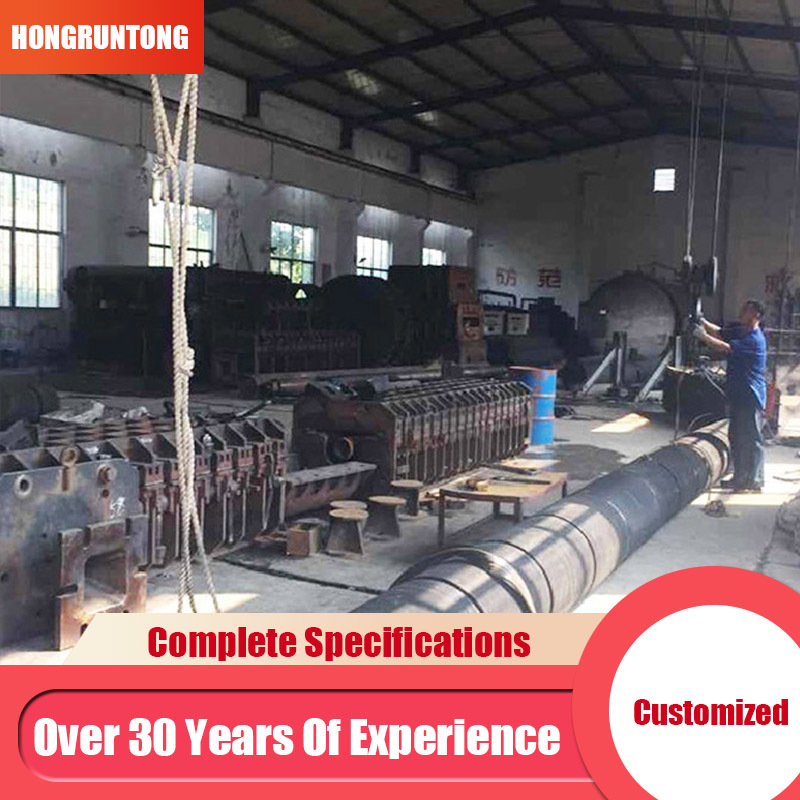
All fenders are produced using advanced rubber compounding, automated vulcanization, and reinforced flange fabrication. Compliance with ISO 17357 and GOST standards guarantees consistent quality and safety.
Lifecycle Support
Comprehensive services include installation guidance, routine maintenance planning, performance monitoring, and replacement or repair logistics, ensuring optimal fender longevity and operational safety.
testify to our reliability and quality.
FAQ
Q1: What types of vessels are suitable for these fenders?
A: Suitable for medium to large tugboats in ports, harbors, and offshore towing or escort operations.
Q2: How are fenders installed?
A: Installation methods include chain mounts, brackets, or hull recess integration. Anti-slip surfaces and secure fasteners maintain stability during high-impact operations.
Q3: What maintenance is required?
A: Periodic inspections of bolts, flange alignment, and rubber surfaces are recommended every 6–12 months. Damaged pads or components should be replaced promptly.
Q4: How long do the fenders last?
A: With proper maintenance, fenders typically last 15–20 years, depending on usage frequency, impact energy, and environmental exposure.
Q5: Are Hongruntong fenders certified internationally?
A: Yes, all fenders comply with ISO 17357, GOST, and other international marine safety standards, ensuring global reliability.


 Your message must be between 20-3,000 characters!