Product Overview
Mooring Bollards are fixed marine mooring devices designed to provide secure connection points for ropes, lines, and wires used to restrain vessels at ports, docks, shipyards, offshore service facilities, and industrial waterfront installations. They form an important part of the berth mooring system by transferring forces from vessel mooring lines into the supporting quay, pier, wharf, or deck structure. Their performance depends on the relationship between the bollard's structural configuration, material properties, rated capacity, anchorage arrangement, and the loads imposed during vessel operations. Proper specification is therefore necessary to ensure compatibility with the intended vessel range, berth layout, and environmental conditions.
Unlike temporary mooring equipment, fixed bollards are generally integrated into permanent or semi-permanent marine infrastructure. Their position and installation interface must be coordinated with the structural design of the facility. Depending on the application, the bollard may be installed on a reinforced concrete quay, a steel deck, a shipyard platform, or another engineered foundation. The supporting structure must resist the forces transferred through the bollard and its anchor system. Selecting a bollard solely by its external dimensions or nominal capacity is insufficient. The complete assembly, including anchor bolts, base plate, foundation material, reinforcement, and any specified grout or mounting components, must be considered in the engineering design.
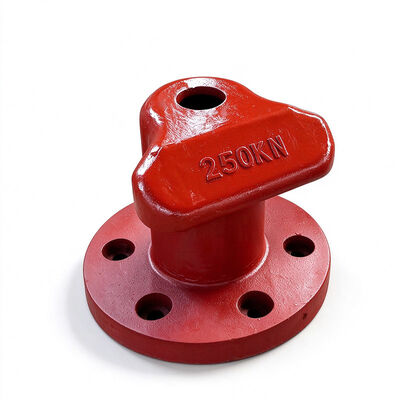
Bollard configurations vary according to rope-handling requirements and the intended mooring arrangement. Single-post designs provide a compact connection point, while double-horn configurations can accommodate particular line arrangements and rope-handling procedures. Other geometries may be used where specific operational or spatial conditions require a different solution. The selected form should allow the intended mooring line to be positioned and retained under approved operating conditions. The rope-contacting surfaces should avoid unsuitable edges or surface defects that could damage the line, while the overall structure must maintain the required strength and stability under the specified loading conditions.
Material selection is determined by structural requirements, manufacturing considerations, environmental exposure, and project specifications. Cast steel, fabricated steel, ductile iron, and other appropriate materials may be considered according to the required design and applicable standards. The selected material must provide the mechanical properties necessary for the intended application. For equipment exposed to salt-laden air, rain, humidity, or direct marine conditions, corrosion protection is an important part of the product specification. Surface preparation and coating systems should be matched to the substrate and exposure category, with coating thickness, application method, and inspection requirements established in accordance with the approved project documentation.
Mooring Bollards are exposed to a range of operational forces. Vessel movement, wind, current, changes in water level, and variations in line tension can affect the loads applied to the mooring system. These conditions may change throughout a vessel's stay, making the design basis and operating procedures important factors in equipment selection. Bollard capacity must be established according to the engineering requirements for the berth rather than through a generalized assumption based on vessel tonnage. The allowable direction of loading, location of the bollard, and spacing between mooring points should be coordinated with the overall mooring plan.
Installation accuracy directly affects the suitability of the finished assembly. Incorrect positioning, unsuitable anchor installation, or an inadequate foundation can compromise the load path even when the bollard itself meets its product specification. For new construction, the bollard mounting details should be coordinated with the structural drawings before concrete placement or deck fabrication is completed. For replacement projects, the dimensions and condition of the existing mounting area should be verified before a replacement unit is selected. Any proposed modification to the foundation or anchorage should be reviewed by the responsible engineering team.
Routine inspection and maintenance are necessary to preserve the serviceability of bollards in marine environments. Inspection may include checking for cracks, deformation, corrosion, coating deterioration, loose anchor components, and damage to the supporting concrete or steelwork. The rope-contacting surfaces should also be examined for defects that could affect line integrity. Maintenance intervals should reflect environmental exposure, operating frequency, the severity of mooring loads, and the requirements of the facility's maintenance program. Protective coatings should be repaired in accordance with the specified maintenance procedure when damage or deterioration is identified.
Hongruntong Marine supplies Mooring Bollards for marine infrastructure projects that require coordinated product selection, manufacturing, and technical documentation. With more than 30 years of manufacturing experience, the company can coordinate customer requirements concerning bollard type, dimensions, material, capacity, mounting arrangement, surface protection, and project-specific documentation. Final configuration should be confirmed against approved drawings and engineering specifications. This approach helps procurement teams define a suitable product scope while enabling installation contractors and project engineers to verify compatibility with the intended berth structure and operating conditions.
Product Features
Structural Configuration for Different Mooring Arrangements
Mooring Bollards are available in configurations intended to accommodate different rope-handling requirements, berth layouts, and operational procedures. Single-post bollards provide a relatively compact mooring point, while double-horn designs can support particular line arrangements where the rope must be positioned around a shaped head. The configuration should be selected according to the type of mooring line, expected direction of loading, available working space, and established procedures used by the vessel and shore-side personnel. Choosing the correct geometry can make line placement more practical while helping maintain a predictable relationship between the mooring line and the load-bearing body.
The shape of the bollard must be considered together with its rated capacity and installation position. A geometry that is suitable for one rope arrangement may not be appropriate for another, particularly where line angles, available clearance, or handling practices differ. Rope-contact areas should be designed and finished to avoid unsuitable edges and defects that could damage the mooring line. The bollard must also provide sufficient structural integrity around the areas that receive the applied forces. For project-specific applications, the configuration should be confirmed through drawings and technical review before manufacturing so that the supplied unit is compatible with the intended operating arrangement.
Load Transfer and Foundation Compatibility
A Mooring Bollard is only one component of the complete load-bearing system. Forces applied by mooring lines pass through the bollard body and base into the anchor bolts and supporting structure. The design must account for the rated capacity, relevant load directions, anchorage arrangement, and the structural properties of the foundation. Depending on the installation, the support may consist of reinforced concrete, structural steel, or another engineered arrangement. The foundation and anchor system must be capable of resisting the specified forces without unacceptable deformation, failure, or loss of stability.
Foundation compatibility is particularly important in replacement projects. Existing mounting holes, anchor spacing, base dimensions, and the condition of the receiving structure may limit the range of suitable replacement products. Simply matching the external dimensions of an old bollard does not confirm that the replacement will provide the required structural performance. The responsible engineers should verify the foundation condition and review any differences in mounting details. Hongruntong Marine can coordinate bollard dimensions and interface requirements with customer drawings so that installation considerations are identified before production and shipment.
Material Performance and Environmental Protection
Marine bollards may be manufactured from cast steel, fabricated steel, ductile iron, or other materials appropriate to the design and project specification. Material selection should account for required strength, toughness, manufacturing feasibility, environmental exposure, and inspection requirements. For load-bearing equipment, material suitability should be established through the design basis and applicable technical documentation. Material grade, manufacturing method, and acceptance criteria should be defined before production rather than inferred from product appearance.
Corrosion protection is another essential consideration for equipment installed in coastal or marine environments. Salt deposits, moisture, and atmospheric exposure can degrade unprotected surfaces, while mechanical contact may damage coatings during operation. A suitable protective system requires appropriate surface preparation, compatible coating materials, and controlled application in accordance with the specified procedure. Inspection should cover the relevant surface condition and any project-defined coating requirements. During service, damaged coatings should be repaired promptly according to the maintenance instructions, and any evidence of significant corrosion should be assessed to determine whether further inspection is necessary.
Inspection Access and Maintenance Practicality
Mooring Bollards should be installed in a way that allows routine inspection of the visible body, base, anchorage, and surrounding structure. Access is important because defects may develop not only on the exposed bollard but also around anchor points, concrete interfaces, and areas where water accumulates. An installation that prevents practical inspection can make it more difficult to identify deterioration before it affects the serviceability of the assembly. Project planning should therefore consider the physical layout of the berth, access for maintenance personnel, and the inspection requirements of the facility.
Maintenance practices should be based on the actual exposure and operating conditions. Regular checks may include examination for cracks, deformation, corrosion, loose components, coating damage, and deterioration of the foundation. The rope-contacting surfaces should be inspected for defects that could affect mooring-line integrity. Where abnormal conditions are found, qualified personnel should assess the bollard and supporting structure before continued use under the affected operating conditions. Clear maintenance records can help the facility monitor changes over time, prioritize repairs, and establish whether additional engineering assessment is required.
Applications
Ship Repair Quays and Maintenance Berths
Ship repair quays require mooring points for vessels that remain alongside while undergoing inspection, mechanical repair, hull work, equipment installation, or other maintenance activities. Vessel movement, temporary service requirements, and changing work locations can influence the mooring arrangement. Bollards should be selected according to the vessels expected at the facility, the approved line arrangement, and the load-bearing capacity of the quay. Their positions should preserve adequate access for repair personnel, lifting equipment, and service vehicles. Material and coating requirements should also reflect the coastal environment and the maintenance program of the shipyard.
Industrial Waterfront and Service Vessel Facilities
Industrial waterfront installations may accommodate tugboats, workboats, utility vessels, and ships used to transport equipment or supplies. These facilities can experience frequent berthing movements and a wide range of operating conditions. The bollard configuration should suit the intended mooring-line arrangement and the available deck or quay space. The supporting foundation must be designed for the specified loads, and the installation should not interfere with access routes or adjacent equipment. Where vessel types and operating patterns change over time, the facility operator should review whether the existing mooring layout remains suitable for the revised requirements.
Coastal Ports Exposed to Severe Weather
Ports exposed to strong winds, changing currents, wave effects, and significant water-level variation require a coordinated approach to mooring-system design. Bollard capacity and position should be established through the berth's engineering assessment, considering the vessel types and environmental loads specified for the project. Material selection and protective coatings should be appropriate to the local exposure conditions. Inspection planning is particularly important where salt deposits, standing water, or repeated coating damage may accelerate deterioration. The bollard, anchorage, foundation, and mooring procedures should be treated as one system so that the complete arrangement can be evaluated against the intended operating conditions.
Case Study: Mooring Point Upgrade at a Northern European Ship Repair Facility
A ship repair facility in a northern European coastal region required improvements to the fixed mooring points along a maintenance quay used by service vessels and commercial ships undergoing scheduled repair work. The facility operated under changing weather conditions, with regular exposure to rain, salt-laden air, and seasonal temperature variation. Its quay supported multiple vessel activities, including temporary berthing, equipment transfer, maintenance operations, and preparation for return to service. The project team needed to review the existing mooring points to establish whether the bollard arrangement remained suitable for the facility's operating requirements.
The principal engineering challenge involved coordinating the replacement bollards with existing infrastructure while addressing the environmental conditions associated with the location. Some installation positions were constrained by the quay layout, nearby access routes, and the need to maintain practical working space for maintenance personnel. The project also required the team to distinguish between the condition of the existing bollard bodies and the condition of their supporting foundations. Surface corrosion alone could not establish whether the complete assembly remained structurally suitable, so the review needed to include anchorage and foundation condition.
The proposed procurement process began with the collection of available drawings, dimensions, capacity requirements, and installation information. The project engineers would confirm the required bollard type and rated capacity based on the intended vessels and the approved mooring arrangement. Material selection and surface protection would be evaluated against the environmental exposure and maintenance practices of the facility. Where the existing foundations were to be retained, their suitability and compatibility with the replacement units would require verification. Where the mounting arrangement differed from the existing installation, the responsible engineers would review the necessary structural modifications before approval.
Hongruntong Marine's role in this representative scenario would focus on coordinating the product configuration and manufacturing requirements with the approved technical information. The supply scope could include the agreed bollard design, specified material, required surface treatment, and relevant dimensional or inspection documentation. Before shipment, the product would be checked against the confirmed order requirements, with any additional inspection or testing carried out according to the agreed specification. This process would allow the facility and its contractor to prepare for installation using consistent technical information.
Installation would be scheduled to minimize disruption to shipyard operations. The contractor would verify the mounting positions, inspect the receiving foundations, install the bollards in accordance with the approved drawings, and complete the specified anchorage procedures. Final checks would address alignment, mounting integrity, visible defects, and the condition of the surrounding structure. Any required load testing or formal acceptance procedure would follow the project's engineering requirements and applicable standards rather than being assumed as a universal installation step.
The expected value of this approach lies in improving coordination between the replacement equipment and the existing marine infrastructure. A correctly specified bollard arrangement can support routine mooring operations, simplify future inspection, and reduce installation uncertainty caused by dimensional or anchorage incompatibility. Suitable corrosion protection and a planned maintenance program can also help manage deterioration in a demanding coastal environment. Actual improvements in service life, downtime, or maintenance cost would depend on the final design, installation quality, operating conditions, and inspection results.
This case is an illustrative engineering scenario and does not represent a verified customer project or documented performance outcome.

Why Choose Hongruntong Marine
Manufacturing Experience for Marine Applications
Hongruntong Marine has more than 30 years of manufacturing experience in marine equipment. This experience supports the company's understanding of the practical requirements involved in supplying products for ports, shipyards, docks, and other marine infrastructure. Mooring Bollards require attention to structural configuration, material suitability, dimensional accuracy, corrosion protection, and installation compatibility. Each of these factors should be considered within the context of the customer's intended application, rather than treating the bollard as a standardized component that is suitable for every berth.
Manufacturing experience is most useful when it contributes to clear technical communication and consistent specification review. Different projects may require different bollard types, capacities, mounting interfaces, surface treatments, and documentation. By confirming these requirements before production, the supplier and purchaser can establish a common basis for manufacturing and acceptance. Hongruntong Marine can coordinate customer-provided drawings and specifications to clarify the intended product scope, identify missing technical information, and reduce uncertainty during procurement.
Project-Specific Product Configuration
Marine infrastructure projects often involve constraints that cannot be addressed through a generic product description. Existing foundations may have fixed dimensions, new berths may require a particular bollard layout, and different vessel operations may call for different configurations. Hongruntong Marine can coordinate the requested type, dimensions, material, capacity, mounting arrangement, and coating requirements with the customer's technical documentation. This process helps ensure that the quotation and order are based on clearly identified product requirements.
For replacement projects, the customer should provide existing drawings, mounting dimensions, and information about the supporting structure where available. For new construction, the approved berth layout and structural details can help establish the required interface. If a change to the original design is proposed, its suitability should be evaluated by the responsible engineering personnel before it is accepted. Rated capacity and structural adequacy cannot be confirmed through dimensions alone. A documented review process helps keep product selection aligned with the project's actual engineering requirements.
Quality Control and Technical Verification
The reliability of a Mooring Bollard depends on whether the supplied component meets its approved material, dimensional, and manufacturing requirements. Quality control should therefore be defined according to the project specification. Depending on the order, relevant activities may include visual examination, dimensional verification, material-document review, surface-treatment inspection, and specified testing. The applicable acceptance criteria should be agreed upon before production so that the purchaser understands the checks that will be carried out and the documentation that will be provided.
Hongruntong Marine can coordinate agreed inspection requirements with customers as part of the order process. Documentation may include approved drawings, product dimensions, material records, inspection results, or coating information when required by the contract. Additional testing, third-party inspection, or certification should be identified in the procurement specification and confirmed for the particular order. This approach supports traceability and helps project teams verify the supplied equipment against the technical requirements without assuming that every project uses identical acceptance procedures.
International Order Coordination and Delivery Planning
International marine equipment orders often require coordination across procurement, engineering, manufacturing, inspection, logistics, and site installation teams. Differences in units, drawing revisions, mounting details, and documentation expectations can create avoidable delays if they are not resolved before production. Hongruntong Marine can coordinate key order details, including product type, quantity, dimensions, material, surface treatment, packing requirements, delivery destination, and agreed inspection scope. Confirming these items early helps establish a more consistent basis for manufacturing and shipment preparation.
Delivery planning should reflect the confirmed product configuration, order quantity, manufacturing requirements, and transportation arrangements. Mooring Bollards may require suitable packaging and handling provisions to protect exposed surfaces and prevent unnecessary damage during transit. Clear product identification and documentation can assist the receiving team in checking the shipment against the purchase order. The delivery schedule and scope of technical support should be agreed upon for each project. By maintaining clear communication about specifications, production status, and logistics, the supplier and customer can better coordinate the equipment with the broader construction or maintenance schedule.
Frequently Asked Questions
1. What is the difference between single-post and double-horn Mooring Bollards?
Single-post bollards provide a compact mooring point, while double-horn configurations offer a different rope-contact geometry that may suit particular line arrangements and handling procedures. The appropriate type depends on the mooring-line configuration, vessel requirements, available space, rated capacity, and operational practices. Neither design should be selected solely on appearance. The chosen configuration must meet the approved engineering specification and be compatible with the supporting structure.
2. Can Mooring Bollards be installed on existing quay foundations?
They may be installed on existing foundations when the foundation condition, dimensions, anchorage arrangement, and structural capacity have been verified as suitable. Existing mounting holes and base dimensions should be checked against the proposed bollard drawings. If the replacement unit has different mounting requirements, the proposed modifications should be reviewed and approved by the responsible engineering team. Reusing an existing foundation without verification may introduce structural or installation risks.
3. Which surface protection is suitable for marine bollards?
The appropriate protective system depends on the substrate material, environmental exposure, project specification, and maintenance plan. Coating selection should consider surface preparation, compatibility, application requirements, and the expected exposure to salt, moisture, and mechanical contact. The specified coating system should be confirmed before production. During service, inspection and timely repair of damaged coatings help manage corrosion and maintain the condition of the equipment.
4. What technical information should be provided when requesting a quotation?
Useful information includes the required bollard type, rated capacity, dimensions, material requirements, surface protection, quantity, mounting details, project location, and delivery requirements. Available drawings and specifications should also be provided, particularly for custom configurations or replacement installations. If the bollard must comply with a particular standard or inspection procedure, this should be stated at the quotation stage. Complete information helps the supplier evaluate the requested configuration and identify outstanding technical questions.
5. How can the serviceability of installed Mooring Bollards be maintained?
A maintenance program should include periodic inspection of the bollard body, rope-contact surfaces, coating, anchorage, and supporting structure. Inspectors should look for cracks, deformation, corrosion, loose components, and deterioration around the foundation. Inspection frequency should reflect operating loads, usage, exposure conditions, and the facility's maintenance requirements. Any significant defect should be assessed by qualified personnel, and repairs or replacement should follow the applicable engineering procedures before the equipment returns to the affected service.


 Your message must be between 20-3,000 characters!