Product Overview
Mooring Bollards are essential mooring components used to secure vessels alongside ports, terminals, docks, shipyards, offshore facilities, and other marine structures. They provide fixed anchoring points for mooring ropes, wires, and lines, helping maintain vessel position during berthing, cargo handling, passenger transfer, and temporary or extended port stays. Their structural design must accommodate the forces transferred through mooring lines while remaining compatible with the supporting quay, wharf, pier, or deck structure. Appropriate bollard selection therefore requires consideration of vessel characteristics, mooring arrangements, environmental conditions, installation space, and the design capacity of the supporting foundation.
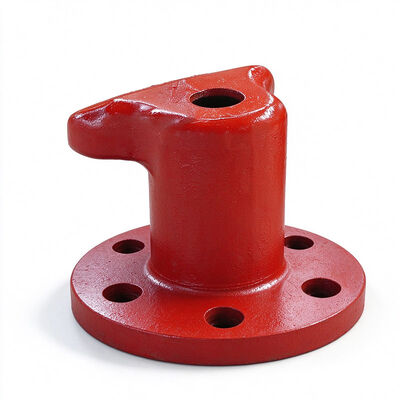
A mooring bollard typically consists of a load-bearing body, a rope-contacting head or horn arrangement, and a base or mounting interface that transfers applied loads into the supporting structure. Depending on the design, bollards may use a single post, double-horn configuration, or another geometry suited to the intended rope arrangement. The shape of the head affects how mooring lines are positioned and retained during operation, while the body and base must resist the forces generated by line tension. The selected configuration should allow practical rope handling while reducing the risk of unintended line displacement under approved operating conditions.
Material selection is an important factor in bollard performance and service life. Marine bollards are commonly manufactured from suitable grades of cast iron, ductile iron, cast steel, or fabricated steel, depending on the required load capacity, structural configuration, project specifications, and installation environment. Material properties influence strength, toughness, casting or fabrication requirements, and resistance to mechanical damage. The material and manufacturing method should be selected according to the applicable engineering requirements rather than appearance alone. Where corrosion exposure is significant, protective coating systems and appropriate surface preparation can help reduce deterioration caused by salt spray, moisture, and repeated environmental exposure.
The structural capacity of a Mooring Bollard must be evaluated as part of the complete mooring arrangement. Loads applied through ropes or wires create forces and moments that pass through the bollard body, base plate, anchor bolts, grout where specified, and supporting concrete or steel structure. A bollard with an appropriate nominal capacity cannot compensate for an inadequately designed foundation or incorrect anchor installation. For this reason, bollard selection and installation should be coordinated with the structural design of the quay or deck and the operating requirements of the vessel. Rated capacity, allowable line direction, anchorage details, and installation requirements should be confirmed against the relevant drawings, calculations, and project specifications.
The surface finish and rope-contact geometry also influence practical operation. Contact surfaces should be sufficiently smooth and free from defects that could cause unnecessary abrasion or damage to mooring ropes. The bollard shape must allow the intended rope or wire to be positioned securely without introducing unsuitable bends or contact conditions. During routine service, inspection should focus on visible cracks, deformation, coating deterioration, corrosion, loose anchor components, and damage around the base or supporting structure. Maintenance requirements depend on material, coating system, exposure conditions, usage frequency, and the operating environment.
Mooring Bollards are used in a wide range of marine infrastructure projects, including commercial ports, container terminals, bulk cargo terminals, shipyards, fishing harbors, ferry terminals, and industrial waterfront facilities. Different locations impose different operational requirements. A container terminal may require bollards compatible with frequent vessel calls and established berth layouts, while a shipyard may need mooring points suitable for vessels undergoing repair or outfitting. Small harbors may prioritize practical installation and maintenance, whereas large terminals may require a coordinated bollard layout based on vessel size, berth geometry, and calculated mooring loads.
For international marine engineering projects, bollards should be specified through clear technical documentation covering dimensions, material, rated capacity, surface protection, mounting arrangement, and applicable inspection or testing requirements. Customization may be required to accommodate existing foundations, restricted installation spaces, project-specific drawings, or particular mooring-line arrangements. Any changes to dimensions, material grades, or structural geometry should be evaluated to ensure that they do not compromise the intended load path or rated performance.
As a marine equipment manufacturer, Hongruntong Marine supplies Mooring Bollards for port infrastructure, shipyard installations, dock facilities, and other marine engineering applications. Product selection can be coordinated with project drawings, required capacities, installation interfaces, and environmental conditions. By considering the bollard and its supporting structure as an integrated system, project teams can establish a more reliable mooring arrangement, improve routine line-handling operations, and support the long-term serviceability of marine facilities.
Case Study: Mooring Bollard Installation for a Commercial Cargo Berth
A commercial cargo berth undergoing infrastructure improvement required a review of its fixed mooring points to support the operational needs of visiting cargo vessels. The existing berth arrangement had to accommodate regular vessel movements, changes in loading conditions, and mooring operations affected by wind, current, and variations in water level. During the engineering review, the project team identified the importance of matching the bollard configuration and rated capacity with the intended vessel range, mooring-line directions, and the structural condition of the quay.
The principal challenge was to select replacement Mooring Bollards that could integrate with the planned berth arrangement without treating the bollards as isolated components. The engineering team needed to confirm the required capacity, available installation space, mounting dimensions, and condition of the supporting concrete. Particular attention was given to the load transfer path from the mooring line through the bollard body and anchorage into the quay structure. The project specification therefore required coordination between the bollard supplier, the marine infrastructure contractor, and the engineers responsible for the foundation and installation details.
Hongruntong Marine's proposed supply approach focused on reviewing the project requirements before confirming the product configuration. The required bollard type, dimensions, material, surface protection, and mounting interface were to be determined from the approved technical documentation. Where existing foundations were to be retained, their dimensions and structural suitability required verification before the final mounting arrangement could be accepted. Where modifications were necessary, these were to be addressed through the project's engineering review rather than through unverified site adjustments.
During installation, the contractor would position each bollard according to the approved layout, verify alignment and mounting details, and complete the specified anchorage work. Inspection would include checking the condition of the supplied components, the installation interface, anchor assembly, and surrounding concrete or steelwork. Before the berth returned to service, the responsible project personnel would confirm that the installation complied with the approved drawings and that the mooring arrangement was suitable for the intended operational loads. Any proof testing or acceptance inspection would follow the project's specified procedures and applicable requirements.
The expected engineering benefit of this approach was a more coordinated berth mooring system, with bollard selection, foundation design, and installation requirements addressed as connected elements. A correctly specified and installed system can support predictable line handling, reduce the likelihood of problems associated with incompatible mounting details, and facilitate future inspection and maintenance. Actual operational performance would depend on the final design, installation quality, vessel operating conditions, and compliance with the approved mooring procedures. This representative scenario illustrates the engineering considerations involved in commercial berth improvements; it does not claim a verified project outcome or a measured cost saving.
Product Features
Load-Bearing Structure and Rated Capacity
The load-bearing structure is the primary engineering consideration in Mooring Bollard design. During mooring operations, line tension transfers force to the bollard through the rope-contacting surface and into the body, base, anchorage, and supporting structure. The bollard must be designed for the specified loading conditions and the directions in which the mooring lines are expected to act. Body geometry, material properties, base dimensions, and anchorage arrangement all contribute to the ability of the assembly to withstand the required loads. Capacity should therefore be specified using the applicable design basis and project documentation, rather than selected solely according to vessel size or the external dimensions of the bollard.
A suitable rated capacity helps the project team coordinate bollard placement with the vessel's mooring arrangement and the structural capability of the quay or deck. However, the rated capacity of the bollard is only one part of the complete system. The supporting concrete, reinforcement, steel deck, anchor bolts, and installation details must also be designed for the relevant forces. Where line direction or eccentric loading affects the assembly, these conditions should be considered in the engineering review. Hongruntong Marine can coordinate product selection with project drawings and specified capacity requirements so that the supplied configuration corresponds to the intended application.
Material Selection and Structural Integrity
Material selection influences structural performance, manufacturing feasibility, durability, and maintenance requirements. Cast iron, ductile iron, cast steel, and fabricated steel may be considered according to the design, required capacity, applicable specifications, and operating environment. Each material has different mechanical characteristics and manufacturing considerations. The selected material should provide the properties required by the design calculations and applicable technical requirements. Material identification, inspection documentation, and any specified mechanical testing should be established according to the project requirements.
The bollard body must also be manufactured with attention to dimensional consistency and the condition of critical load-bearing areas. Casting or fabrication defects, unsuitable transitions, and deviations from approved drawings may affect the reliability of the component. Quality control should therefore address the relevant dimensions, visible surface condition, material requirements, and specified inspection criteria. For projects with particular documentation needs, the inspection and material records should be agreed upon before production. This provides the purchasing team and project engineers with a clearer basis for verifying that the supplied equipment corresponds to the approved specification.
Marine Corrosion Protection and Surface Durability
Mooring Bollards are commonly exposed to rain, salt spray, high humidity, changing temperatures, and, depending on their location, direct seawater contact. These conditions can cause corrosion or accelerate deterioration when the material and protective system are unsuitable for the exposure environment. Surface protection should be selected according to the substrate, site conditions, project specification, and expected maintenance regime. Appropriate preparation and coating application are important because coating performance depends on both the coating system and the condition of the surface beneath it.
Protective coatings help limit environmental contact with the underlying material, but they do not eliminate the need for inspection. Repeated rope contact, impact during operations, maintenance activities, and local coating damage may expose the substrate. Periodic checks can identify damaged coating, corrosion around the base, or deterioration near anchor components before the condition becomes more difficult to manage. For installations in particularly aggressive environments, the project team should confirm whether additional protection or a specific coating system is required. The final treatment should follow the approved specification rather than relying on a generic claim of corrosion resistance.
Rope Contact Geometry and Operational Practicality
The shape of the bollard head and body influences how mooring ropes or wires are placed, wrapped, and retained during operation. A suitable configuration should provide the contact geometry required by the intended line arrangement while allowing personnel to handle the line according to established procedures. Single-post, double-horn, and other configurations may be appropriate for different berth layouts and operational requirements. The selection should account for rope or wire characteristics, available working space, line direction, and the practices used by the vessel and shore-side crew.
The contact surfaces should be free from unacceptable sharp edges, protrusions, or defects that could damage mooring lines. At the same time, the design must retain its structural function and must not be modified in the field without appropriate engineering approval. Clear installation drawings and operating procedures help ensure that the bollard is used as intended. When the configuration is selected to match the actual mooring arrangement, line handling can be more consistent and routine inspection can focus on clearly defined contact and structural areas.
Applications
Commercial Ports and Cargo Terminals
Commercial ports use Mooring Bollards to secure vessels at berths during cargo loading, unloading, bunkering where permitted, and other scheduled port activities. The required arrangement depends on vessel dimensions, berth geometry, line positions, operating conditions, and the design loads established for the facility. Container terminals, general cargo berths, and bulk handling terminals may have different mooring layouts and traffic patterns. Bollard positions and capacities should therefore be coordinated with the berth design and the vessels expected to use the facility. Material selection, coating requirements, anchorage details, and inspection provisions should be confirmed before installation to support safe and maintainable operation.
Shipyards and Vessel Repair Facilities
Shipyards require fixed mooring points for vessels undergoing repair, maintenance, inspection, outfitting, or preparation for service. The mooring requirements can change according to vessel type, work location, temporary equipment, and the stage of the repair program. Bollards used in these facilities should be compatible with the intended line arrangement and the structural capacity of the quay or work platform. Installation planning should consider access for personnel and equipment, the condition of existing foundations, and the need to keep the work area serviceable during maintenance activities. Routine inspection is important because repair environments may involve repeated vessel movements, changing loads, and frequent handling of mooring lines.
Fishing Harbors, Ferry Terminals, and Industrial Docks
Smaller harbors, ferry terminals, and industrial docks use Mooring Bollards to secure vessels during passenger transfer, fishing operations, supply activities, and other waterfront services. These facilities may experience frequent berthing movements, changing water levels, and exposure to moisture and salt. The bollard type and capacity should match the intended vessels and the design of the supporting structure. Where existing facilities are being upgraded, the project team should verify the condition of the quay and mounting interface before selecting replacement units. A practical maintenance plan should include checking coatings, exposed surfaces, anchor assemblies, and surrounding concrete or steelwork so that developing deterioration can be addressed through planned maintenance.
Why Choose Hongruntong Marine
Marine Equipment Manufacturing Experience
Hongruntong Marine has more than 30 years of manufacturing experience in marine equipment, supporting the company's work with customers involved in ports, shipyards, marine construction, and industrial waterfront projects. This background provides a foundation for understanding the practical considerations associated with equipment used in marine environments, including material selection, installation interfaces, exposure conditions, and long-term maintenance. Mooring Bollards must function as part of a broader berth system, so product supply should be coordinated with the technical requirements of the project rather than based on appearance or nominal dimensions alone.
For procurement teams, manufacturing experience is useful when it supports clear communication about specifications, drawings, inspection requirements, and production arrangements. Each project may have different capacity requirements, mounting dimensions, material preferences, and surface protection needs. These details should be confirmed before production so that the supplied product can be evaluated against the approved technical documentation. Hongruntong Marine can work with customer-provided requirements to clarify the intended configuration and identify information that needs confirmation before an order is finalized.
Specification Review and Configuration Coordination
Mooring Bollards are structural components whose performance depends on the relationship between the bollard, the mooring line, the anchorage, and the supporting structure. Selecting a product without reviewing these relationships can create installation difficulties or leave important design requirements unresolved. Hongruntong Marine can coordinate product specifications with available engineering drawings, required capacity, dimensions, material requirements, coating specifications, and mounting details. This process helps establish a clear technical basis for quotation and production.
When a project involves replacement equipment, existing foundation dimensions and the condition of the supporting structure should be reviewed before the mounting arrangement is confirmed. For new construction, the bollard specification should be coordinated with the structural design and berth layout. Where customer requirements are incomplete or contradictory, the relevant items should be clarified before final approval. Capacity, material grade, anchorage details, and any required testing should not be assumed without an appropriate technical basis. This approach supports more reliable procurement coordination and reduces avoidable uncertainty during installation planning.
Manufacturing Quality Control and Documentation
Quality control is important because bollards transfer mooring forces into the supporting marine structure. Manufacturing checks should be based on the approved drawings and the applicable project requirements. Depending on the specification, these checks may include dimensional verification, visual inspection, review of material documentation, coating inspection, and other agreed tests. The applicable inspection criteria and acceptance requirements should be established before production, particularly where the equipment forms part of a regulated or contractually controlled infrastructure project.
Hongruntong Marine can coordinate inspection and documentation requirements with the customer during order review. The scope of documentation may vary according to the contract and may include product drawings, material records, inspection reports, coating information, or other specified records where applicable. Clearly defining these requirements helps the purchaser understand what evidence will be supplied and how the equipment will be checked before shipment. Any certification, third-party inspection, or special testing should be confirmed as part of the order rather than presumed to be included in every standard supply.
Project Communication and Delivery Coordination
Mooring Bollard procurement often involves coordination between the owner, design consultant, marine contractor, installation team, and equipment supplier. Delays can occur when drawings, capacity requirements, mounting dimensions, or inspection expectations are not confirmed early enough. Hongruntong Marine can coordinate technical clarification and order details with customers to help establish a consistent specification before manufacturing begins. Confirming the product type, quantity, dimensions, material, coating, packing requirements, and delivery destination provides a clearer basis for production and logistics planning.
For international projects, packaging and shipping arrangements should reflect the dimensions, weight, surface protection, and handling requirements of the supplied equipment. Installation documents and product identification should correspond to the approved order information so that receiving and site teams can verify the shipment. Delivery schedules depend on the confirmed specification, manufacturing requirements, order quantity, and transportation arrangements; they should be agreed upon for each project. By clarifying responsibilities and technical details in advance, the supplier and customer can reduce communication gaps and support a more orderly procurement process.
Frequently Asked Questions
1. What is the main function of a Mooring Bollard?
A Mooring Bollard provides a fixed anchoring point for mooring ropes or wires used to secure a vessel alongside a berth, quay, dock, pier, or other marine structure. It transfers the forces applied by the mooring lines through its body and anchorage into the supporting structure. Its type, capacity, and position should be selected according to the vessel's mooring arrangement, berth design, environmental conditions, and applicable engineering requirements. Correct installation and operating procedures are essential to the performance of the complete mooring system.
2. What materials are commonly used to manufacture Mooring Bollards?
Common materials include cast iron, ductile iron, cast steel, and fabricated steel. The appropriate choice depends on the required structural capacity, bollard configuration, manufacturing method, project specifications, and exposure conditions. Material properties and inspection requirements should be confirmed during technical review. In marine environments, surface preparation and protective coatings are also important considerations because corrosion can affect long-term serviceability. The final material and coating system should be specified for the intended application rather than selected solely on initial cost.
3. How should the required bollard capacity be determined?
The required capacity should be established through the project's mooring and structural design process. Relevant factors include vessel characteristics, mooring-line arrangement, expected environmental loads, berth geometry, line direction, and the capacity of the supporting structure. The bollard, anchor bolts, foundation, and surrounding concrete or steelwork must be considered as a connected load-bearing system. Final selection should follow the approved engineering documentation and applicable standards. Vessel size alone is not sufficient to determine the required bollard capacity.
4. Can Mooring Bollards be customized for a specific project?
Project-specific configurations may be available depending on the required dimensions, bollard type, material, rated capacity, mounting interface, surface protection, and applicable manufacturing constraints. Customers should provide technical drawings, specifications, quantities, and installation details where available. Any changes affecting the load-bearing structure or rated capacity should be reviewed and approved through the appropriate engineering process. Custom dimensions should not be treated as confirmation of structural suitability unless the complete design and installation requirements have been evaluated.
5. What maintenance is recommended for Mooring Bollards?
Maintenance should follow the facility's inspection plan, applicable regulations, and the manufacturer's instructions. Routine checks generally include visual examination for cracks, deformation, corrosion, coating damage, loose or deteriorated anchorage, and defects in the surrounding foundation. Particular attention should be paid to areas where water can accumulate, where rope contact is frequent, and where coatings have been damaged. Any abnormal condition should be assessed by qualified personnel before the bollard is returned to the relevant service. Inspection frequency should reflect exposure severity, operating loads, usage frequency, and the condition of the complete mooring assembly.


 Your message must be between 20-3,000 characters!