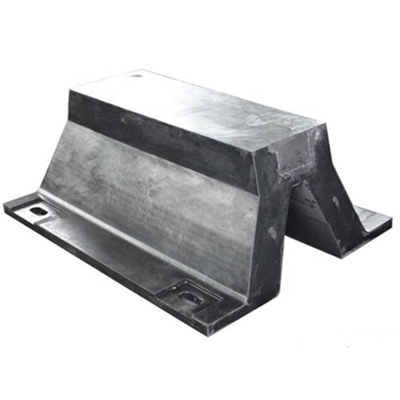
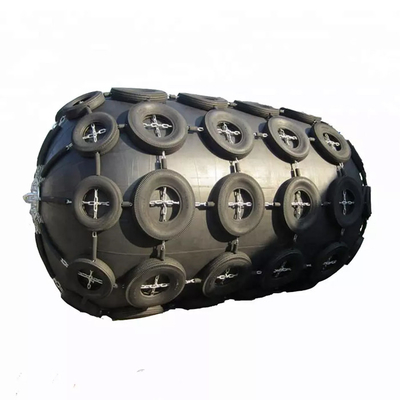
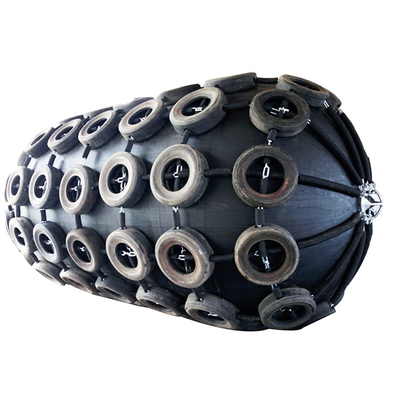
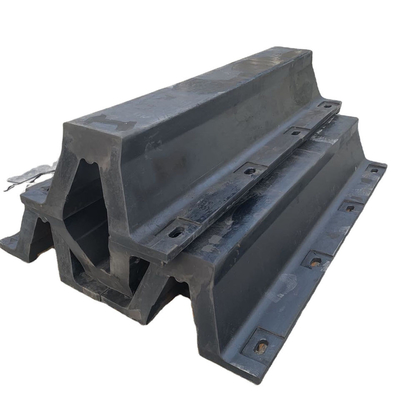
Port Rubber Fender Heavy Duty Structure Stable Performance Easy Installation
Description
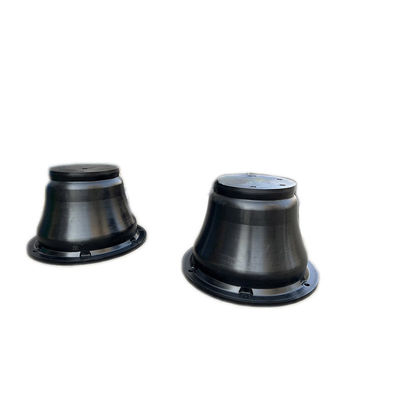
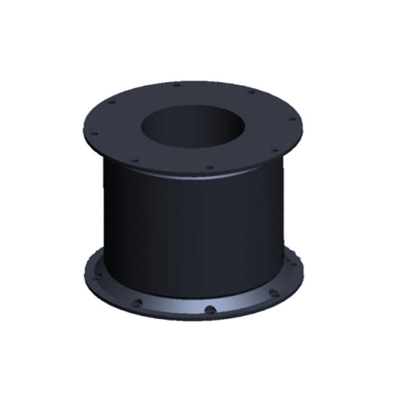
Cone Rubber Fenders are modular high-efficiency berthing protection systems specifically engineered for large-scale port construction and infrastructure modernization projects requiring structural adaptability and installation efficiency.
The conical geometry provides superior energy absorption per unit height while maintaining controlled reaction force transmission to quay walls. Manufactured from high-performance marine-grade rubber with reinforced polymer chains and carbon black dispersion technology, these fenders are designed to ensure long-term mechanical stability under axial, angular, and shear compression conditions.
Standard sizes range from 500 mm to 2000 mm in height, with full customization available to accommodate unique berth layouts, structural load limitations, and frontal panel integration requirements. The modular mounting system allows simplified anchoring and alignment during installation, reducing on-site construction complexity and minimizing downtime during retrofit operations.
Cone Rubber Fenders are particularly suitable for container terminals, RoRo docks, offshore service bases, and multi-purpose commercial ports where installation efficiency, structural compatibility, and long-term operational reliability are essential performance criteria.
Case Study – Modular Berth Expansion Project
A coastal container port undergoing phased expansion required the addition of two new berths while maintaining operations at adjacent active docking areas. The engineering contractor faced strict installation timelines and structural constraints due to existing quay wall geometry and embedded anchor systems.
Hongruntong Marine provided modular Cone Rubber Fender units with pre-engineered bolt configurations compatible with the existing anchor layout. The design incorporated adjustable frontal panels and alignment templates to accelerate installation accuracy.
Installation time per unit was reduced significantly compared to traditional fender systems, allowing the contractor to complete berth commissioning ahead of schedule. Operational testing confirmed uniform energy absorption performance across all units. The modular configuration also enabled simplified future replacement of individual fender units without dismantling adjacent components.
Specifications
| Product Name |
Cone Rubber Fenders |
| Brand Name |
Hongruntong Marine |
| Material |
High Quality NR |
| Standard |
PIANC, HGT |
| Face Pads |
UHMW-PE Available |
| Certificates |
BV, ABS, DNV, LR, SGS, RS, CCS |
| OEM / ODM |
Welcome |
| Packing Details |
Pe Plastic Bags Then to The Pallet / as Per Your Request |
| Production Capacity |
3000 Pcs Per Month |
| Lead Time |
7 Days for Prototype Tooling & Samples, 14 Days for Production Mold, 14-28 Days for Moq |
| Payment Terms |
T/T, L/C, Paypal, Western Union |
| Rubber Specification |
ASTM D2000, SAE J200 |
| Model |
H |
h |
F |
D |
Q |
W |
d-m |
d-n |
| Cone |
[mm] |
[mm] |
[mm] |
[mm] |
[mm] |
[mm] |
[mm] |
[mm] |
| HM-CRF300 |
300 |
13.5 |
255 |
450 |
195 |
405 |
M16 |
20 |
| HM-CRF350 |
350 |
25 |
300 |
570 |
235 |
510 |
M20 |
25 |
| HM-CRF400 |
400 |
18 |
340 |
600 |
260 |
540 |
M20 |
25 |
| HM-CRF500 |
500 |
25 |
425 |
750 |
325 |
675 |
M24 |
30 |
| HM-CRF600 |
600 |
27 |
510 |
900 |
390 |
810 |
M24 |
30 |
| HM-CRF700 |
700 |
32 |
585 |
1050 |
455 |
945 |
M30 |
38 |
| HM-CRF800 |
800 |
36 |
680 |
1200 |
520 |
1080 |
M36 |
44 |
| HM-CRF900 |
900 |
41 |
765 |
1350 |
585 |
1215 |
M36 |
44 |
| HM-CRF1000 |
1000 |
45 |
850 |
1500 |
650 |
1350 |
M42 |
56 |
| HM-CRF1050 |
1050 |
55 |
1030 |
1680 |
900 |
1530 |
M36 |
44 |
| HM-CRF1100 |
1100 |
50 |
935 |
1650 |
715 |
1485 |
M42 |
50 |
| HM-CRF1150 |
1150 |
52 |
998 |
1725 |
750 |
1550 |
M42 |
56 |
| HM-CRF1200 |
1200 |
54 |
1020 |
1800 |
780 |
1620 |
M42 |
50 |
| HM-CRF1300 |
1300 |
59 |
1105 |
1950 |
845 |
1755 |
M48 |
60 |
| HM-CRF1400 |
1400 |
66 |
1190 |
2100 |
930 |
1890 |
M48 |
60 |
| HM-CRF1600 |
1600 |
72 |
1360 |
2400 |
1060 |
2160 |
M48 |
70 |
| HM-CRF1800 |
1800 |
78 |
1530 |
2880 |
1190 |
2430 |
M56 |
76 |
| HM-CRF2000 |
2000 |
80 |
1900 |
3200 |
1540 |
2920 |
M56 |
76 |
Features
Modular Structural Integration Design
Cone Rubber Fenders are designed as modular components that can be integrated into comprehensive fender panel systems. Each unit is manufactured with precise dimensional tolerances to ensure alignment compatibility with steel frontal frames, UHMW-PE pads, chain assemblies, and anchor bolts.
This modular concept allows individual fender units to be installed, replaced, or upgraded independently, minimizing disruption to adjacent structural components. For large berth lines extending hundreds of meters, this significantly improves maintenance flexibility and lifecycle management efficiency.
The structural interface between the rubber body and mounting plate is engineered to distribute stress uniformly, preventing localized fatigue concentration around bolt zones.
Installation Efficiency and Reduced On-Site Complexity
The optimized base geometry ensures stable positioning during installation, reducing the need for excessive temporary supports or alignment corrections. Pre-marked bolt positioning and customizable embedment patterns simplify coordination with civil contractors.
Compared to legacy fender systems that require complex steel framework adjustments, Cone Rubber Fenders can be installed using standardized mounting procedures. This reduces crane time, labor hours, and overall construction risk. For retrofit projects, compatibility assessments can be performed in advance to minimize unexpected structural modifications.
Compatibility with Large Frontal Panel Systems
Modern high-capacity ports often require steel frontal panels to distribute vessel hull pressure across larger surface areas. Cone Rubber Fenders are specifically engineered to support such systems by maintaining stable deformation characteristics even under distributed panel loads.
The geometry ensures that compression remains symmetrical even when force is transferred through heavy steel panels. This compatibility enhances vessel protection while preserving the structural integrity of both the quay wall and mounting hardware.
Long Term Structural Stability Under Complex Loads
Beyond axial compression, Cone Rubber Fenders are capable of resisting combined shear and angular loads caused by vessel drift, tidal movement, and wind forces. The wide base prevents instability and buckling under lateral stress.
Finite element design validation ensures that stress concentration within the rubber body remains within safe limits under maximum rated compression. This long-term structural stability reduces the risk of sudden performance degradation during service life.
Applications
New Build Container Terminal Projects
Ideal for large-scale EPC port construction projects requiring standardized modular fender systems for long berth lines.
Retrofit and Modernization of Existing Ports
Suitable for upgrading outdated fender systems while maintaining operational continuity. Modular installation minimizes downtime.
RoRo and Multi-Purpose Docks
Applicable in facilities where varying vessel hull geometries require adaptable panel-supported fender systems.
Why Choose Hongruntong Marine
Full System Engineering Integration Capability
Hongruntong Marine does not only supply rubber fenders but provides complete system integration solutions. Engineering teams coordinate rubber body specifications with steel frontal panels, chain systems, anchor layouts, and quay wall structural constraints.
Detailed shop drawings and installation guides are prepared to align with civil engineering schedules. This integrated approach reduces coordination errors between suppliers and contractors during construction.
Precision Manufacturing with Dimensional Control
Each Cone Rubber Fender is manufactured using calibrated compression molding equipment to ensure dimensional consistency across large production batches. Tight tolerance control guarantees seamless alignment when installing long rows of fenders along extended quay walls.
Dimensional accuracy reduces field modification requirements and prevents installation delays.
Project Based Customization and Flexible Logistics
For phased construction projects, Hongruntong Marine can arrange staged production and delivery schedules aligned with contractor timelines. Custom anchor bolt templates, embedded steel components, and specialized compound formulations can be incorporated based on project engineering demands.
This flexibility supports complex infrastructure development projects with strict scheduling requirements.
Technical Support Throughout Installation and Operation
The company provides technical consultation during installation, including recommended torque specifications, anchor tightening procedures, and structural inspection guidance.
After commissioning, ongoing technical communication ensures clients receive support for inspection planning, maintenance scheduling, and future expansion compatibility. This long-term partnership approach strengthens project reliability and operational confidence.
FAQ
1. Can Cone Rubber Fenders be installed in phases during port expansion projects?
Yes, the modular design allows phased installation aligned with construction schedules, making them suitable for staged berth development.
2. Are they compatible with existing anchor bolt layouts in retrofit projects?
In many cases they are, provided that structural assessment confirms alignment and load capacity compatibility. Customized bolt configurations can also be manufactured if required.
3. How does modular design benefit long-term maintenance?
Individual fender units can be replaced independently without dismantling the entire fender line, significantly reducing maintenance downtime.
4. Do these fenders support large steel frontal panels?
Yes, they are specifically engineered to function efficiently when integrated with heavy-duty frontal panel systems.
5. Is on site technical guidance available during installation?
Yes, technical documentation and consultation support are provided to ensure correct installation and long-term performance stability.


 Your message must be between 20-3,000 characters!