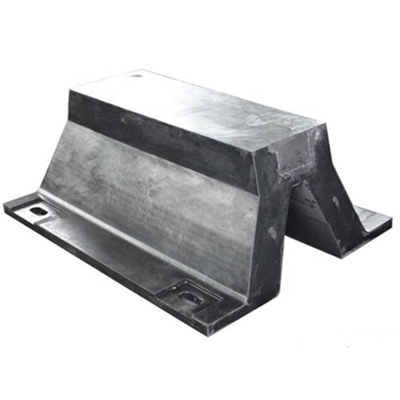
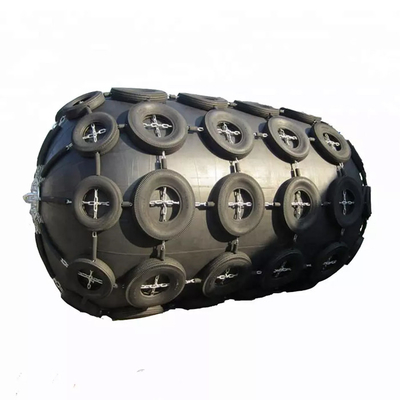
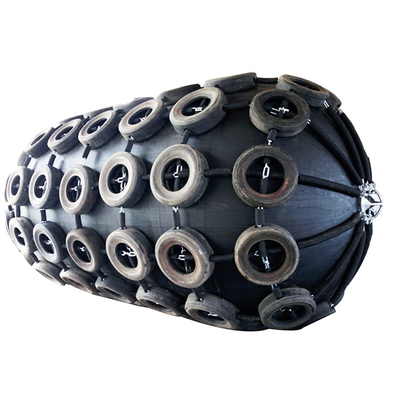
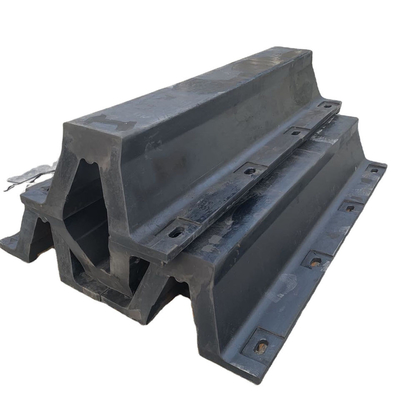
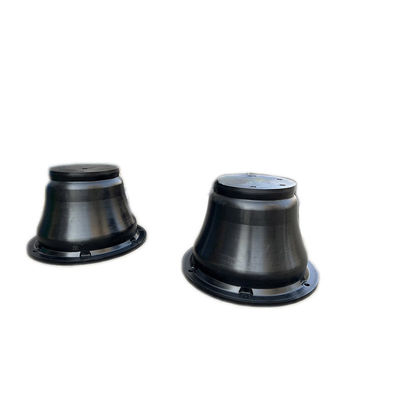
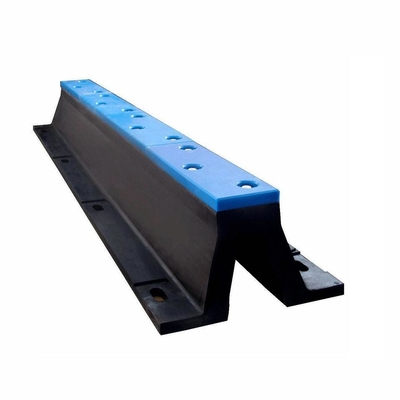
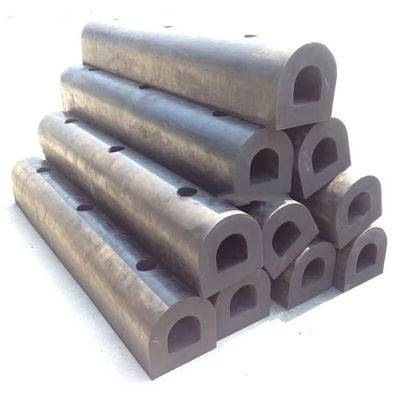
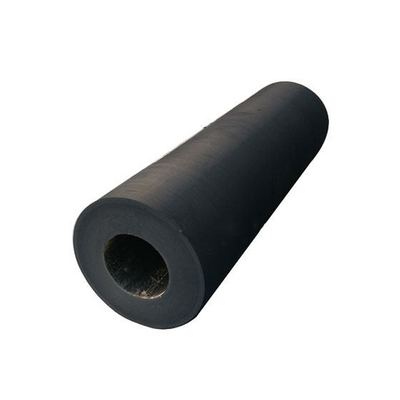
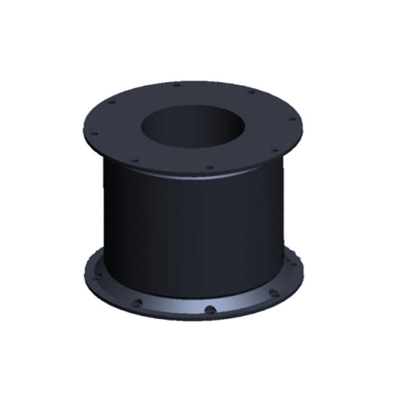
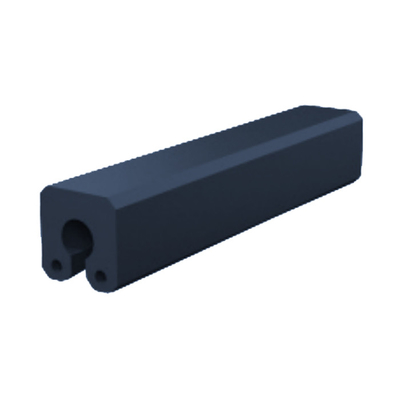
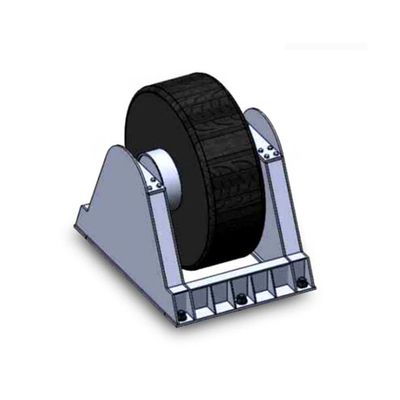
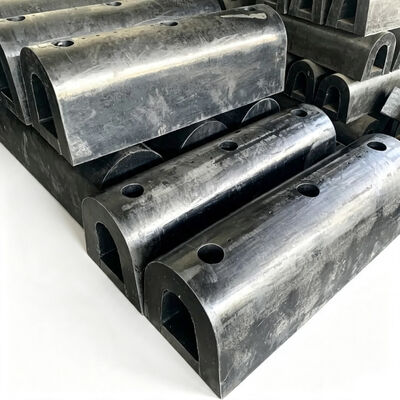
D Type Fenders are extruded rubber marine fender systems designed for berths and vessel contact zones where repeated impact, compression, sliding movement, and structural protection must be managed within a controlled installation space. The D-shaped profile provides a stable rubber cross section with a defined contact surface, allowing the fender to absorb mechanical energy while limiting the transmission of concentrated loads to quay walls, steel structures, vessel hulls, pontoons, and other marine infrastructure.
| Product Name | D Type Fenders |
|---|---|
| Brand Name | Hongruntong Marine |
| Material | High Performance Natural Rubber |
| Color | Black and Customers' Requirements |
| Type | Fixed D Rubber Fenders |
| Standard | HGT2866-2016, PIANC2002 |
| Energy Absorption | 147kN to 920kN |
| Reaction Force | 5.1KN-M to 64KN-M |
| Application | Port, Dock, Quay, etc |
| A [mm] | B [mm] | C [mm] | D [mm] | E [mm] | F [mm] | H [mm] | K [mm] |
|---|---|---|---|---|---|---|---|
| 70 | 30 | 15 | 30 | 45 | 80 | 90 - 130 | 200 - 300 |
| 100 | 45 | 15 | 30 | 50 | 100 | 90 - 130 | 200 - 300 |
| 125 | 60 | 20 | 40 | 60 | 125 | 110 - 150 | 250 - 300 |
| 150 | 75 | 20 | 40 | 75 | 150 | 110 - 150 | 250 - 300 |
| 150 | 80 | 25 | 50 | 100 | 200 | 130 - 180 | 300 - 400 |
| 200 | 100 | 25 | 50 | 100 | 200 | 130 - 180 | 300 - 400 |
| 200 | 100 | 30 | 60 | 125 | 250 | 140 - 200 | 350 - 450 |
| 250 | 125 | 30 | 60 | 125 | 250 | 140 - 200 | 350 - 450 |
| 300 | 150 | 30 | 60 | 150 | 300 | 140 - 200 | 350 - 450 |
| 350 | 175 | 35 | 75 | 175 | 350 | 140 - 200 | 350 - 450 |
| 380 | 190 | 35 | 75 | 190 | 380 | 140 - 200 | 350 - 450 |
| 300 | 150 | 35 | 75 | 175 | 400 | 140 - 200 | 350 - 450 |
| 400 | 200 | 35 | 75 | 200 | 400 | 140 - 200 | 350 - 450 |
| 500 | 250 | 45 | 90 | 250 | 500 | 160 - 230 | 400 - 500 |
Note: Other sizes can be customized according to the requirements.
| A [mm] | B [mm] | C [mm] | D [mm] | E [mm] | F [mm] | G [mm] | H [mm] | K [mm] |
|---|---|---|---|---|---|---|---|---|
| 100 | 25 | 10 | 30 | 15 | 100 | 50 | 90 - 130 | 200 - 300 |
| 150 | 30 | 12 | 65 | 20 | 150 | 75 | 110 - 150 | 250 - 350 |
| 200 | 45 | 15 | 75 | 25 | 200 | 100 | 130 - 180 | 300 - 400 |
| 250 | 50 | 20 | 100 | 30 | 250 | 125 | 140 - 200 | 350 - 450 |
| 300 | 60 | 25 | 125 | 30 | 300 | 150 | 140 - 200 | 350 - 450 |
| 350 | 70 | 25 | 150 | 35 | 350 | 175 | 140 - 200 | 350 - 450 |
| 400 | 80 | 30 | 175 | 35 | 400 | 200 | 140 - 200 | 350 - 450 |
| 400 | 80 | 30 | 200 | 35 | 400 | 200 | 140 - 200 | 350 - 450 |
| 500 | 100 | 30 | 250 | 35 | 500 | 250 | 140 - 200 | 350 - 450 |
A bulk cargo terminal on the Arabian Gulf operating a 210 m berth experienced accelerated surface wear and permanent deformation in their existing fender system. The terminal required a replacement system that could accommodate frequent vessel contact while maintaining compatibility with the existing quay structure.
A D Type Fender system was selected based on available installation dimensions, vessel operating conditions, and structural load limitations. The new fender arrangement provided continuous protection along primary contact zones, with improved resistance to surface abrasion and reduced direct contact between vessel hulls and structural steel.
The modular installation simplified inspection and maintenance, allowing the terminal to plan future replacement based on measured wear rather than unexpected failure.
Yes. They can be used for large commercial vessels when the fender dimensions, rubber hardness, contact pressure, reaction force, and installation arrangement are appropriately engineered.
High-frequency berthing increases cumulative compression, sliding, and abrasion cycles. For busy terminals, material durability, fatigue resistance, surface wear, and maintenance accessibility should receive greater consideration.
Suitable rubber compounds can be selected for elevated-temperature environments. Operating temperature should be specified during engineering evaluation as it influences rubber hardness, elasticity, and long-term aging behavior.
In many projects, installation can be divided into sections so that only a controlled working area is temporarily unavailable, depending on berth geometry and safety requirements.
Yes. Replacement sections can be manufactured according to established specifications using original dimensions, rubber specifications, and project information.