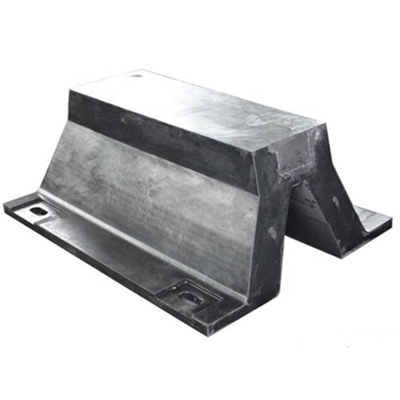
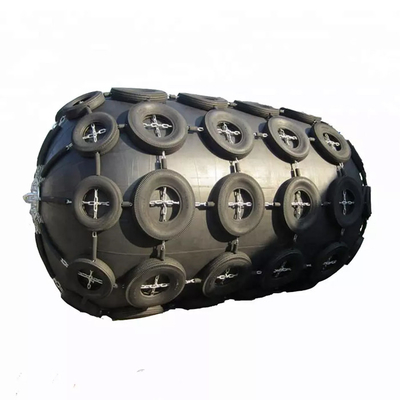
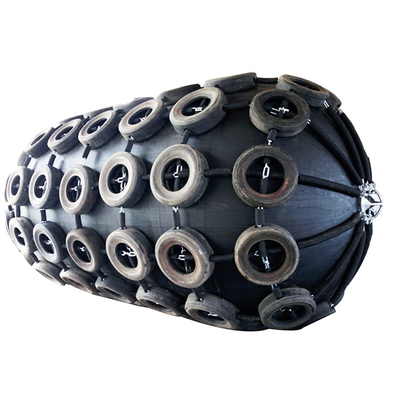
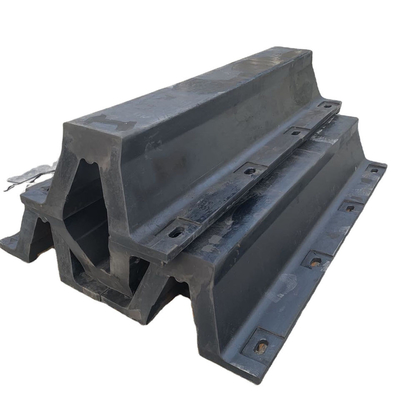
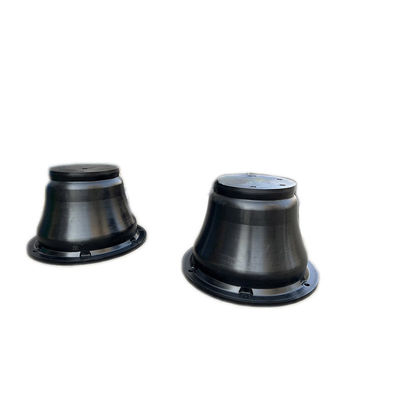
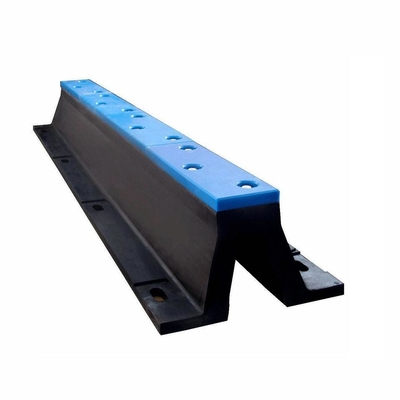
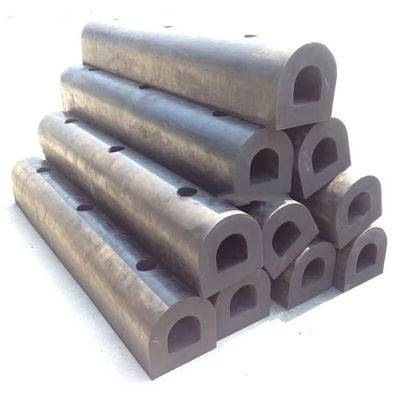
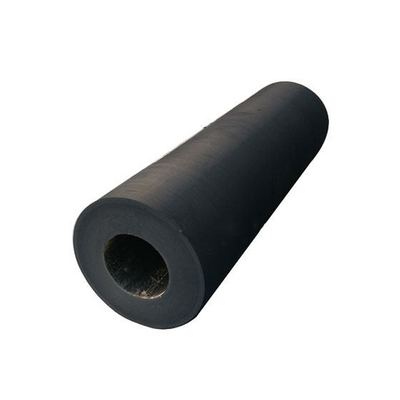
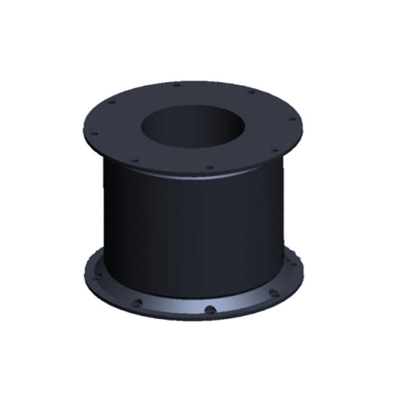
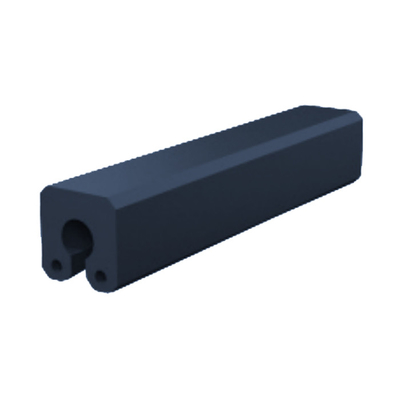
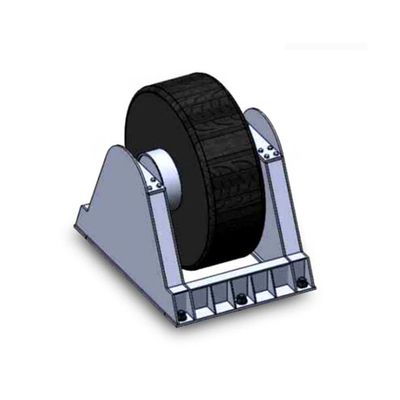
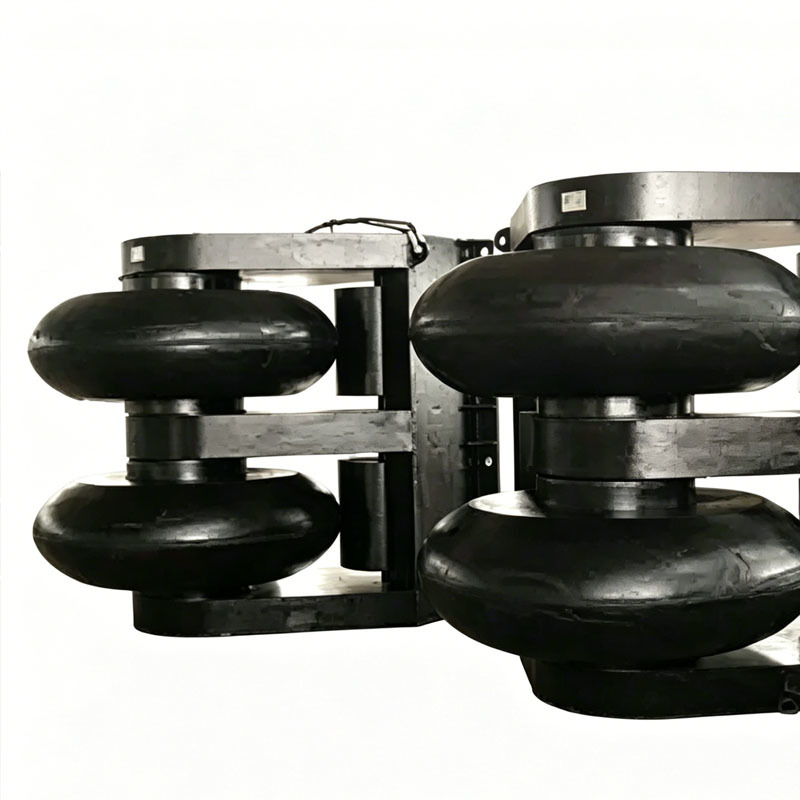
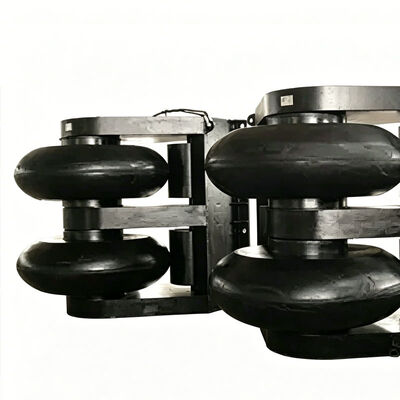
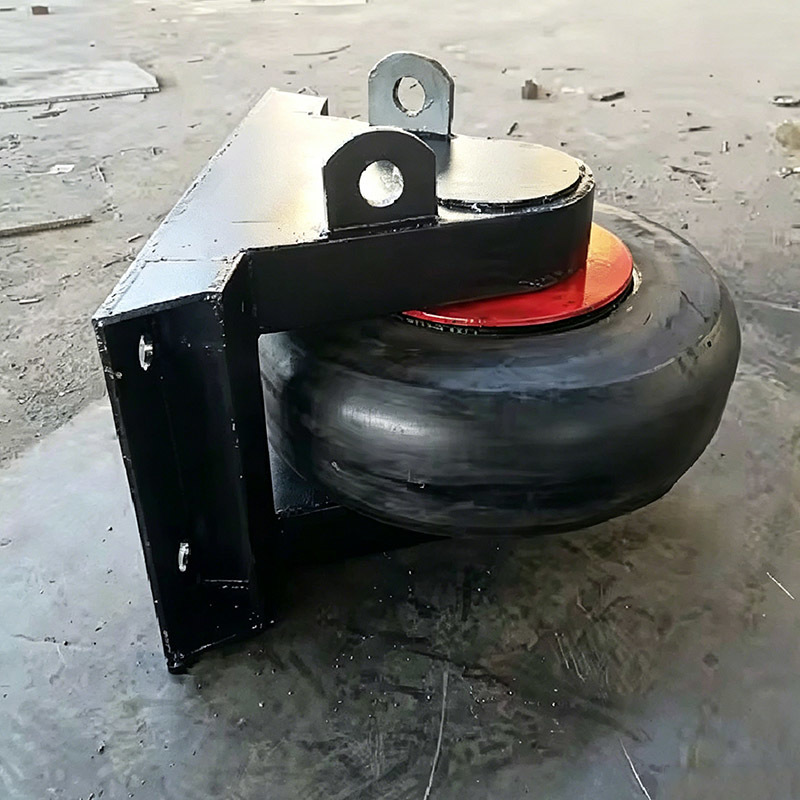
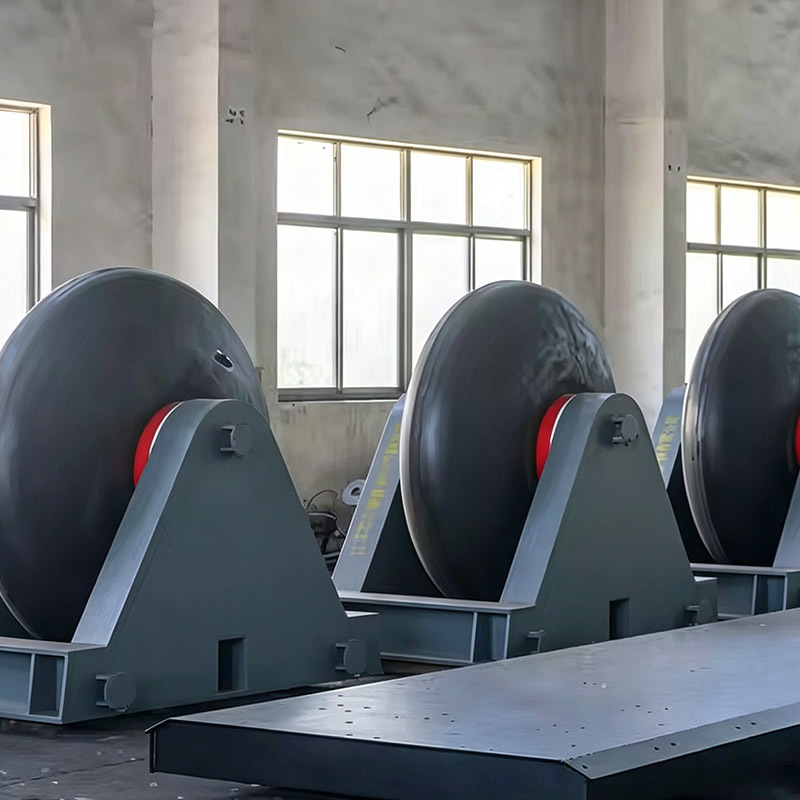
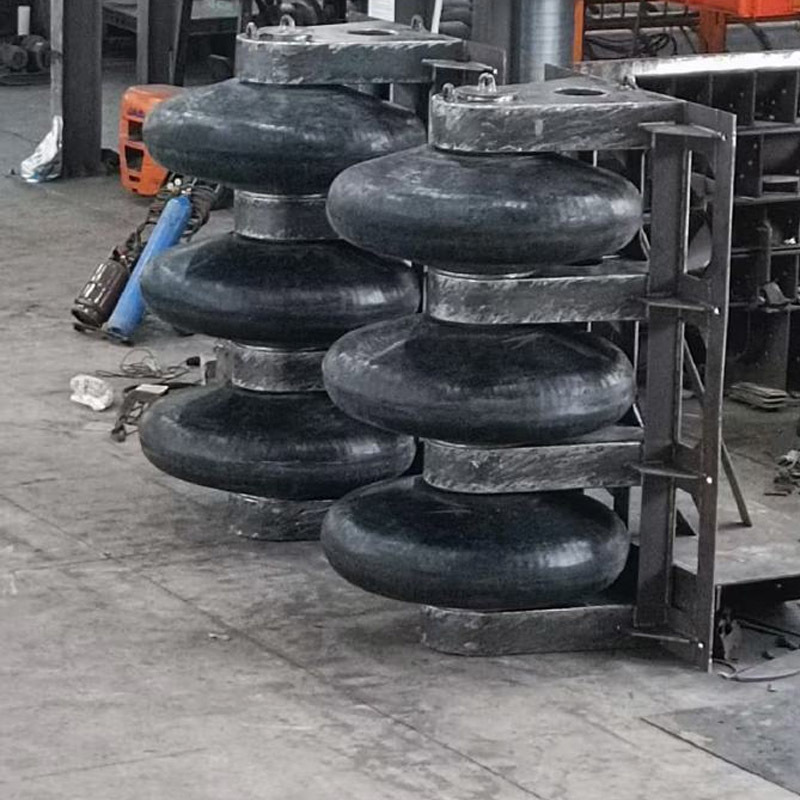
Hongruntong Marine Roller Fenders are engineered for inland waterway structures such as locks, bridges, canal systems, and navigation channels where vessels must pass through narrow passages with controlled guidance and minimal structural impact. These systems are designed to ensure safe vessel movement while protecting civil marine infrastructure from repeated contact damage caused by currents, water level variations, and frequent ship traffic.
The core function of roller fenders is to reduce friction during vessel guidance operations. Instead of fixed contact surfaces, the system uses rotating marine-grade rubber rollers that allow vessels to glide smoothly along lock walls or guiding structures. This significantly reduces lateral resistance, improves maneuverability, and prevents structural damage to both vessels and infrastructure.
A major inland navigation authority in Europe upgraded a high-capacity river lock system designed to handle cargo vessels up to 9,000 DWT. The original lock infrastructure frequently experienced structural wear due to repeated vessel contact during entry and exit operations, especially under strong river current conditions.
Traditional fixed rubber fenders installed along the lock chamber walls provided basic protection but created excessive friction when vessels moved laterally. This led to frequent hull scratches, inefficient vessel alignment, and increased maintenance costs for both ship operators and infrastructure managers.
Hongruntong Marine was selected to design a customized roller fender system specifically for the expanded lock chamber. The project required vertical guide roller assemblies capable of stabilizing vessel movement while minimizing resistance during passage through the lock.
After installation, vessel passage through the lock became significantly smoother and more controlled. Operators reported improved alignment accuracy, reduced tug assistance requirements, and faster lock transit times. The rolling mechanism allowed vessels to maintain controlled contact with the chamber walls without generating excessive friction or structural stress.
Over the first operational cycle, maintenance inspections showed a notable reduction in wall surface damage and hull coating wear compared with previous fixed-fender systems. The roller components demonstrated stable rotational performance even under continuous daily vessel traffic.
| Product Name | Roller Fenders |
| Material | High Density NR/NBR/SBR |
| Temperature | from -30°C to 70°C |
| Specific Gravity | 1.45 g/cm3 |
| Intensity | 3 MPA |
| Hardness | 65 ± 5 Shore A |
| Elongation | ≥300% |
| Size | D1080-2900mm |
| Package | By Pallets, By carton, By Iron Cage |
| Color | Black, as Required |
| Certificate | CE, ROHS, REACH, SGS, MSDS, ISO9001 |
| Experience | 32 years |
| Market | North America, Asia, Europe, South America, Australia, Africa |
| Payment | BANK TRANSFER, 30% T/T, Balance Before Shipment, L/C |
| Model No. | A [mm] | B [mm] | C [mm] | D [mm] | E [mm] | G [mm] | H [mm] | J [mm] | K [mm] | L [mm] |
|---|---|---|---|---|---|---|---|---|---|---|
| HM-RF1080 | 1250 | 1150 | 610 | 1080 | 1150 | 220 | 460 | 800 | 340 | 60 |
| HM-RF1450 | 1530 | 1400 | 740 | 1320 | 1450 | 260 | 510 | 950 | 400 | 75 |
| HM-RF1500 | 1600 | 1450 | 765 | 1370 | 1500 | 270 | 610 | 1000 | 425 | 75 |
| HM-RF1900 | 2050 | 1850 | 975 | 1750 | 1900 | 350 | 690 | 1250 | 500 | 125 |
| HM-RF2100 | 2300 | 2100 | 1110 | 1980 | 2100 | 400 | 765 | 1400 | 550 | 150 |
| HM-RF2700 | 3000 | 2700 | 1425 | 2550 | 2700 | 500 | 895 | 1800 | 700 | 200 |