Rolling Fenders UV Resistant Saltwater Proof Easy Install Long Lifespan
Description
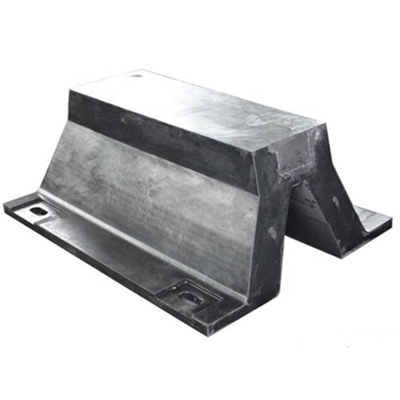
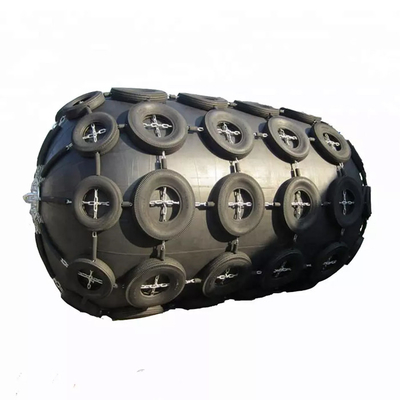
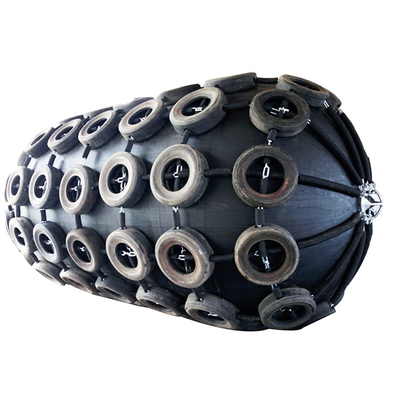
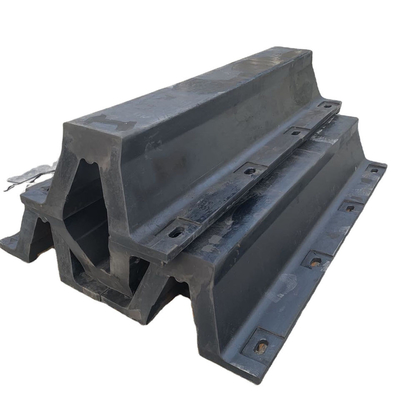
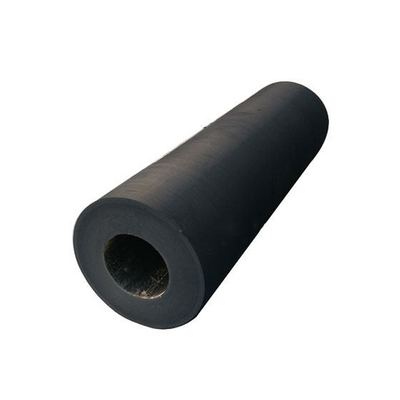
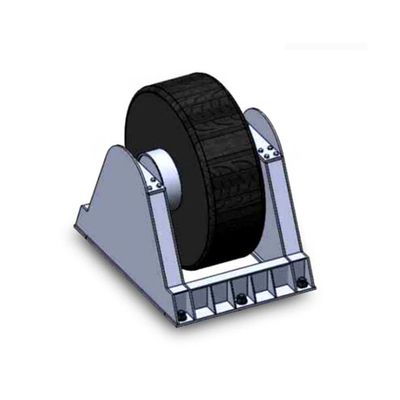
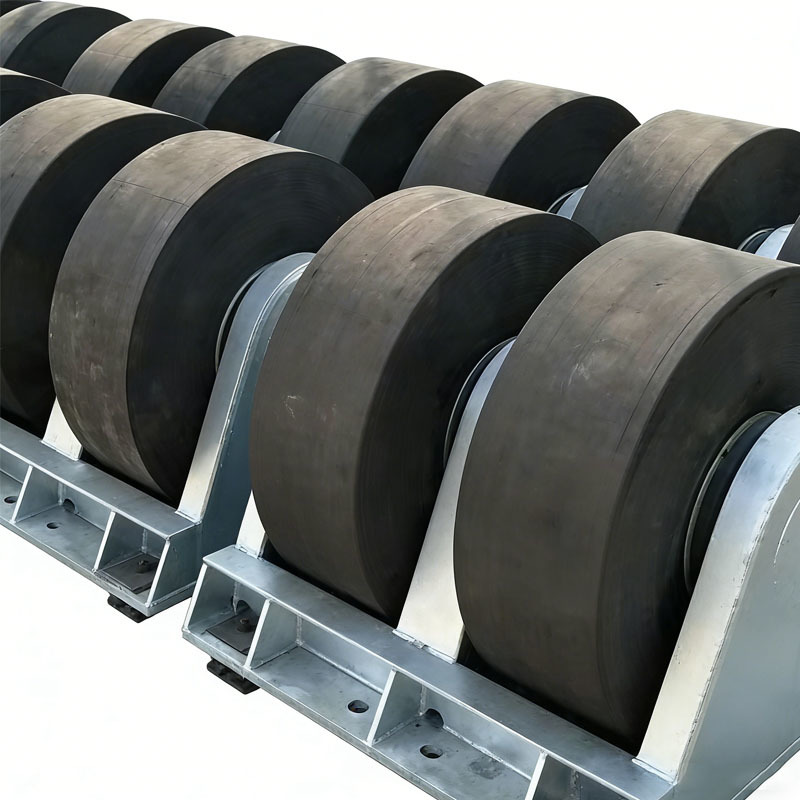
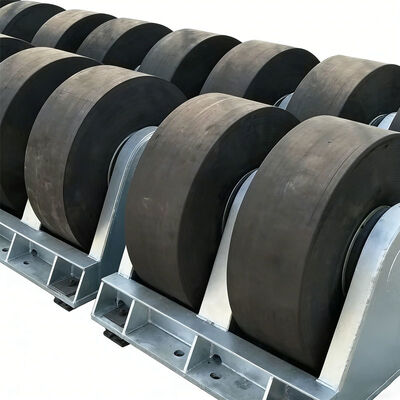
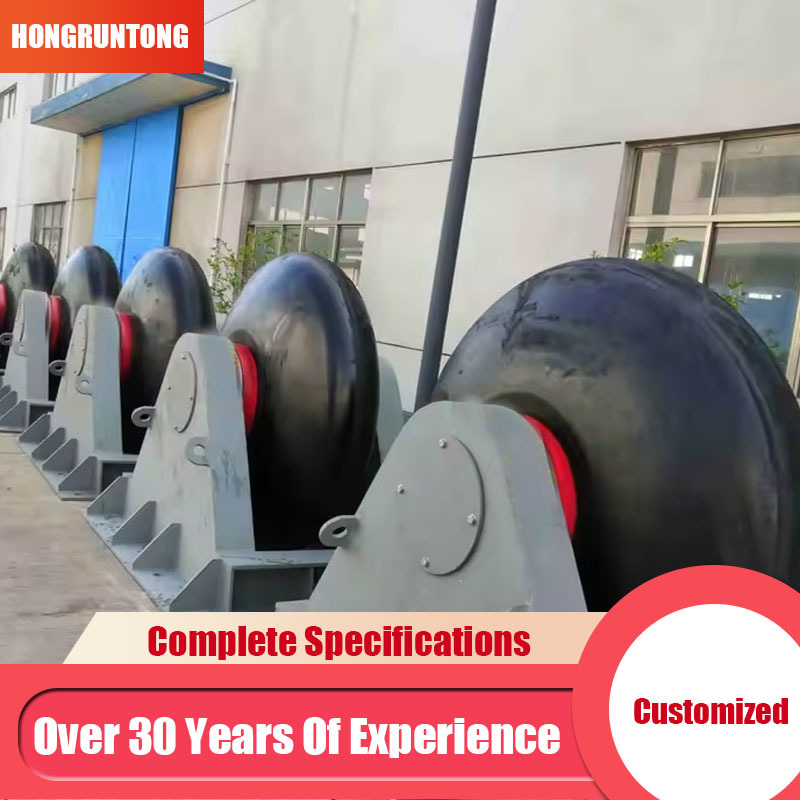
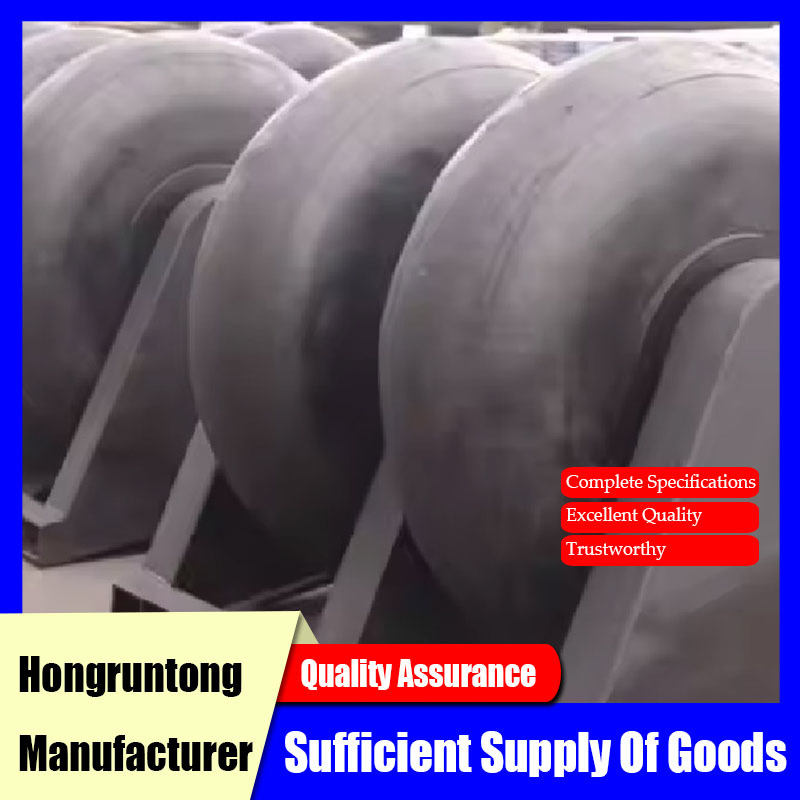
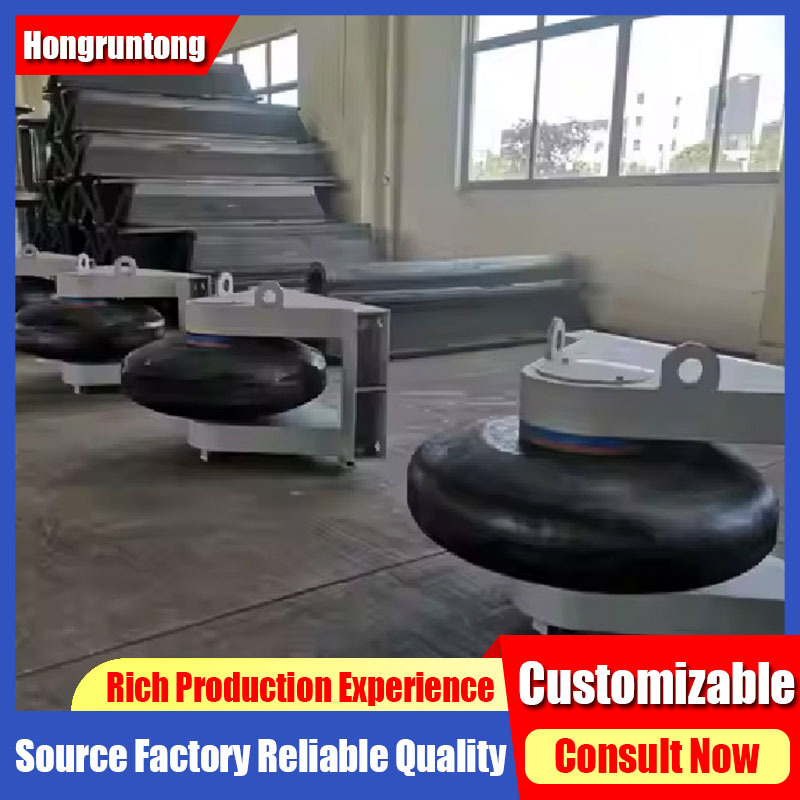
Roller fenders are engineered solutions designed to protect vessels and docking structures by efficiently absorbing kinetic energy during berthing. Unlike traditional fixed or rubber block fenders, roller fenders incorporate a rolling mechanism, allowing them to rotate with vessel movement. This design minimizes lateral forces on the ship hull, reduces friction, and distributes energy evenly across the fender body. Constructed from high-strength marine-grade rubber reinforced with galvanized steel cores, roller fenders demonstrate exceptional durability, environmental resistance, and low maintenance requirements.
The roller fender system is suitable for a wide range of applications, from high-traffic container ports to offshore oil terminals and bridge piers. Key performance attributes include high energy absorption, resistance to extreme weather conditions, and customizable dimensions to accommodate various vessel sizes. Their modular structure allows for easy replacement and repair of individual rollers, which is critical for maintaining uninterrupted port operations.
Case Study
In 2022, Hongruntong Marine supplied and installed a series of roller fenders at a major European oil terminal in Rotterdam, Netherlands. The terminal frequently handles crude oil tankers ranging from 50,000 to 150,000 DWT. Prior to the installation, the port experienced frequent minor damages to tanker hulls during docking, leading to increased maintenance costs and occasional operational delays.
The Hongruntong Marine team conducted an extensive site survey, considering berth structure, vessel dimensions, berthing speed, and environmental factors such as tidal variation and prevailing winds. Based on this analysis, customized roller fenders with 1.5-meter diameter rollers, reinforced cores, and specially formulated rubber compounds were designed to meet the terminal's high-impact and environmental resistance requirements.
Following installation, operational performance was closely monitored. Within the first year, the terminal reported a 50% reduction in docking impact forces, complete elimination of minor hull damages, and smoother vessel berthing with reduced tug assistance. The rolling fenders performed reliably under extreme conditions, including winter temperatures below freezing, high winds, and heavy rain. Port operators noted a significant reduction in overall maintenance costs and an increase in operational efficiency. This case highlights the roller fender’s ability to provide consistent, reliable protection even under heavy-use conditions, ensuring both vessel and dock safety.
Specifications
| Product Name |
Roller Fenders |
| Material |
High Density NR/NBR/SBR |
| Temperature |
from -30°C to 70°C |
| Specific Gravity |
1.45 g/cm3 |
| Intensity |
3 MPA |
| Hardness |
65 ± 5 Shore A |
| Elongation |
≥300% |
| Size |
D1080-2900mm |
| Package |
By Pallets, By carton, By Iron Cage |
| Color |
Black, as Required |
| Certificate |
CE, ROHS, REACH, SGS, MSDS, ISO9001 |
| Experience |
32 years |
| Market |
North America, Asia, Europe, South America, Australia, Africa. |
| Payment |
BANK TRANSFER, 30% T/T, Balance Before Shipment, L/C. |
| Model No. |
A |
B |
C |
D |
E |
G |
H |
J |
K |
L |
| Roller |
[mm] |
[mm] |
[mm] |
[mm] |
[mm] |
[mm] |
[mm] |
[mm] |
[mm] |
[mm] |
| HM-RF1080 |
1250 |
1150 |
610 |
1080 |
1150 |
220 |
460 |
800 |
340 |
60 |
| HM-RF1450 |
1530 |
1400 |
740 |
1320 |
1450 |
260 |
510 |
950 |
400 |
75 |
| HM-RF1500 |
1600 |
1450 |
765 |
1370 |
1500 |
270 |
610 |
1000 |
425 |
75 |
| HM-RF1900 |
2050 |
1850 |
975 |
1750 |
1900 |
350 |
690 |
1250 |
500 |
125 |
| HM-RF2100 |
2300 |
2100 |
1110 |
1980 |
2100 |
400 |
765 |
1400 |
550 |
150 |
| HM-RF2700 |
3000 |
2700 |
1425 |
2550 |
2700 |
500 |
895 |
1800 |
700 |
200 |
Features
Superior Energy Distribution
Roller fenders utilize a rotating cylindrical design to evenly distribute forces during vessel contact. This reduces localized stress points, preventing damage to both the dock and hull. Laboratory impact tests confirm that the system can absorb up to 95% of the kinetic energy from large vessels berthing at standard speeds. The energy distribution mechanism also ensures minimal rebound, maintaining vessel stability during docking.
Enhanced Environmental Resistance
The rubber formulation used in these fenders is engineered to resist UV radiation, saltwater corrosion, and extreme temperature variations. This ensures that the fender maintains elasticity, resilience, and overall structural integrity even after prolonged exposure to harsh marine conditions. The steel cores are treated with multi-layer anti-corrosion coatings to prevent rust and degradation over decades of operation.
Modular Low Maintenance Design
The modular nature of the roller fender allows individual rollers to be replaced without disassembling the entire system, significantly reducing maintenance downtime. The rolling mechanism minimizes friction and wear on the rubber surface, extending the fender’s lifespan. Routine inspections are simple and cost-effective, ensuring that port operations are not interrupted.
Customizable Dimensions and Mounting
Roller fenders can be tailored in terms of diameter, length, and mounting type to suit different berth configurations and vessel types. Options are available for installation on fixed piers, floating docks, and bridge piles. Customizable spacing and roller diameter allow ports to optimize energy absorption, ensure safe berthing, and protect dock infrastructure under varying traffic loads.
Applications
Oil Terminals and Tanker Berths
Roller fenders provide robust protection for large crude and product tankers, reducing impact forces and hull stress during berthing. Their environmental resistance ensures reliable performance even in extreme weather conditions.
Commercial Container Ports
Ideal for busy container terminals handling high-volume traffic, roller fenders allow faster turnaround by minimizing tug assistance and preventing vessel and dock damage.
Bridge and Harbor Piers
By absorbing lateral and vertical forces, roller fenders safeguard pier structures from repeated collisions while maintaining vessel alignment and operational efficiency.
Why Choose Hongruntong Marine
Global Expertise and Experience
Hongruntong Marine has over 20 years of experience designing, manufacturing, and installing roller fender systems across Europe, Asia, and the Americas. Projects include large container terminals, offshore oil berths, and critical infrastructure piers.
Advanced Engineering and Customization
Our engineering team conducts detailed site surveys, vessel motion analysis, and impact simulations to ensure that each fender system meets specific client requirements. Custom solutions account for vessel size, docking speed, berth layout, and environmental conditions.
Durable Materials and Quality Assurance
All components meet international marine standards, including high-strength synthetic rubber, galvanized steel cores, and anti-corrosion coatings. Every fender undergoes rigorous quality control, including impact testing, UV exposure tests, and long-term durability trials.
Comprehensive Support and Service
We provide full installation guidance, maintenance training, and rapid-response replacement services. Our support ensures continuous port operations and long-term client satisfaction, maximizing return on investment.
FAQ
Q1: Are roller fenders suitable for extreme weather conditions?
A: Yes, the rubber compound and steel core are designed to withstand UV exposure, freezing temperatures, and high salinity, ensuring long-term durability in harsh environments.
Q2: Can roller fenders be used for both small and large vessels?
A: Yes, fender dimensions and spacing are fully customizable to accommodate a wide range of vessels, from small ferries to ultra-large container ships and tankers.
Q3: How often should roller fenders be inspected?
A: Routine inspections are recommended every 6–12 months, with modular replacement of worn rollers if necessary. The rolling mechanism reduces overall wear and maintenance needs.
Q4: What types of docks can roller fenders be installed on?
A: Roller fenders are compatible with fixed piers, floating docks, and bridge piles. Mounting systems can be adapted to different structures and environmental conditions.
Q5: What is the expected service life of a roller fender?
A: With proper installation and regular inspection, roller fenders typically last 15–25 years depending on traffic load and environmental exposure.


 Your message must be between 20-3,000 characters!