Rubber Fender Heavy Duty Cushioning Anticorrosion Stable Performance
Description
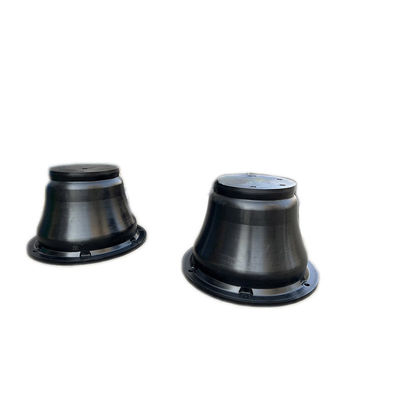
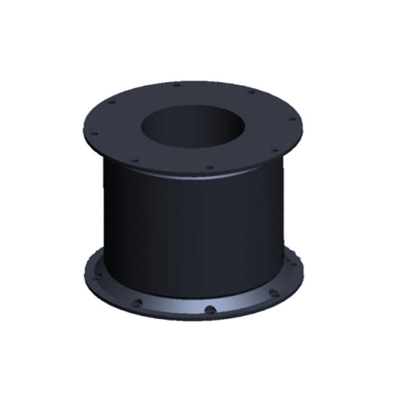
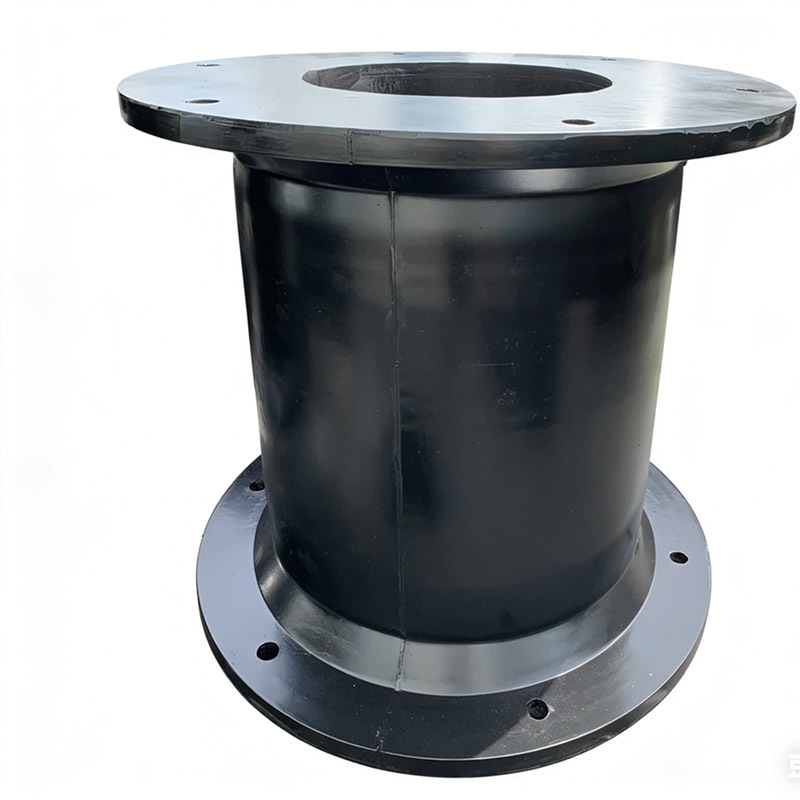
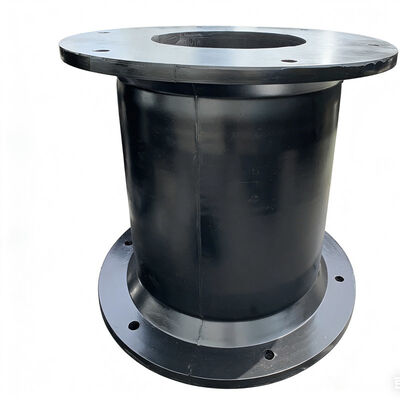
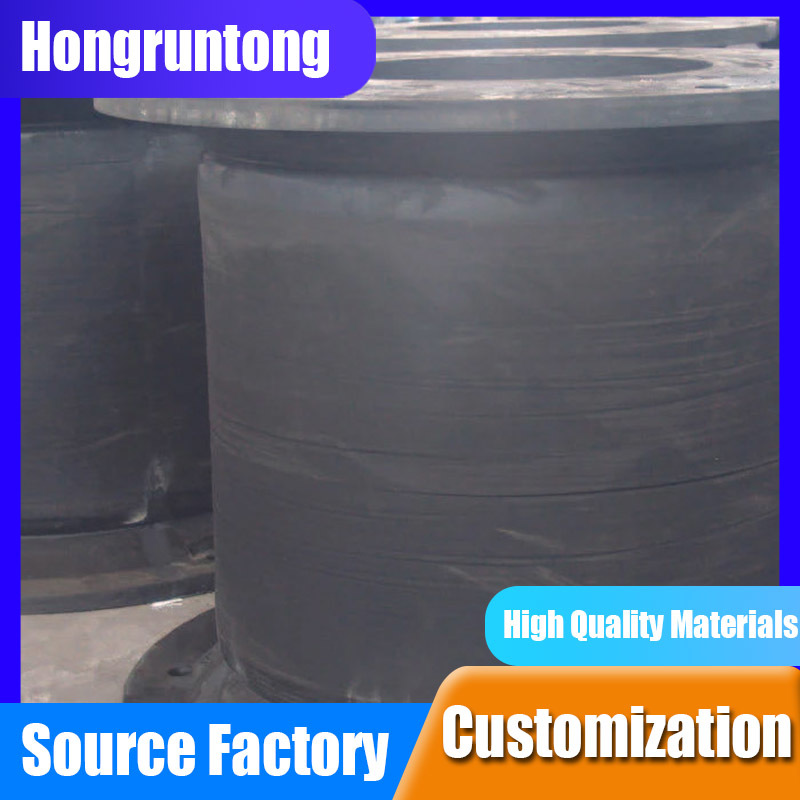
Cell Rubber Fenders are engineered to provide superior energy absorption, structural stability, and long-term performance in demanding marine environments. Their hollow cylindrical cell structure ensures uniform radial compression during berthing events, allowing predictable reaction forces across a broad range of vessel sizes, approach speeds, and impact angles. Unlike cone or cylindrical fenders, the cell design distributes stress evenly across the rubber body and flange, minimizing localized deformation, shear stress, and premature rubber cracking. This provides a highly consistent reaction curve, which is essential for protecting both quay infrastructure and vessel hulls. The fender material incorporates marine-grade natural and synthetic rubber blends with anti-ozone, UV-stabilizing, and aging-resistant additives. These properties maintain elasticity, minimize permanent set, and enhance fatigue resistance even after thousands of berthing cycles. Reinforced steel flanges are precision-machined, corrosion-protected, and vulcanized to the rubber body to ensure long-term structural integrity.
The combination of cell geometry and reinforced frontal panels creates a system capable of handling high berthing energy while reducing hull pressure. UHMW-PE pads on the frontal panel further reduce friction, protect hull coatings, and improve contact distribution. The modular design allows customization of fender height, diameter, and deflection to match the specific energy absorption and reaction force requirements of each berth. This flexibility makes cell fenders suitable for a wide range of terminals including bulk cargo, container, tanker, and LNG berths.
Case Study: Petrochemical Jetty in Southeast Asia
A petrochemical import/export terminal in Southeast Asia required an upgrade to its fender system to accommodate larger chemical tankers. The existing cone fenders were experiencing accelerated wear, uneven compression, and unpredictable peak reaction forces, which posed risk to both the berthing structure and tanker hulls. Hongruntong Marine was engaged to provide a high-capacity, reliable solution.
Engineers conducted a comprehensive berthing energy analysis, incorporating tanker displacement, approach velocity, bow flare angles, tidal variation, and environmental factors such as seasonal typhoons. The analysis identified peak energy events and areas of uneven stress distribution. Based on this data, Hongruntong proposed a series of heavy-duty Cell Rubber Fenders with reinforced steel flanges and large frontal panels with thick UHMW-PE face pads. Finite element simulations confirmed that the fender system would reduce peak reaction forces by over 20% and maintain stable compression throughout high-energy berthings.
Installation was completed within scheduled maintenance windows, with precise alignment of flanges and panels verified for uniform contact with vessel hulls. Post-installation monitoring over 24 months confirmed excellent performance: hull pressure was distributed evenly, rubber compression remained within design parameters, and no structural failures or deformation were observed. Maintenance frequency decreased, downtime was minimized, and operational safety was significantly improved. This case highlights the effectiveness of Cell Rubber Fenders in high-energy, chemical cargo environments where safety, durability, and consistent performance are critical.
Specifications
| Product Name |
Cell Rubber Fender |
| Brand Name |
Hongruntong Marine |
| Material |
High Quality Natural Rubber |
| Reaction Force |
29-4626KN |
| Energy Absorption |
4-6102KNM |
| Hardness |
≤82 Shore A |
| Standard |
PIANC2002, HGT2866-2016 |
| Processing Service |
Moulding, Cutting |
| Lifespan |
15-20 Years |
| Service |
OEM or ODM |
| Features |
Strong, Robust, Well Proven Design |
| Application |
Port, Dock, Quay, etc |
| Model |
H |
h |
D1 |
D2 |
n-t |
| Cell |
[mm] |
[mm] |
[mm] |
[mm] |
[mm] |
| CF-C400H |
400 |
25 |
650 |
550 |
30 |
| CF-C500H |
500 |
25 |
650 |
550 |
32 |
| CF-C630H |
630 |
30 |
840 |
700 |
39 |
| CF-C800H |
800 |
30 |
1050 |
900 |
40 |
| CF-C1000H |
1000 |
35 |
1300 |
1100 |
47 |
| CF-C1150H |
1150 |
40 |
1500 |
1300 |
50 |
| CF-C1250H |
1250 |
45 |
1650 |
1450 |
53 |
| CF-C1450H |
1450 |
47 |
1850 |
1650 |
61 |
| CF-C1600H |
1600 |
50 |
2000 |
1800 |
61 |
| CF-C1700H |
1700 |
55 |
2100 |
1900 |
66 |
| CF-C2000H |
2000 |
55 |
2200 |
2000 |
74 |
| CF-C2250H |
2250 |
60 |
2550 |
2300 |
74 |
| CF-C2500H |
2500 |
70 |
2950 |
2700 |
90 |
| CF-C3000H |
3000 |
75 |
3350 |
3150 |
90 |
Features
Consistent Load-Deflection Response
Cell fenders provide a smooth and predictable reaction curve, ensuring uniform energy absorption regardless of approach velocity or impact angle. The hollow cell geometry distributes load evenly, preventing localized stress peaks and extending the service life of the rubber and flange system. This feature is critical for terminals handling multiple vessel types with varying hull geometries.
Superior Energy Absorption
The fender body absorbs energy efficiently across its full deflection range, reducing peak loads transmitted to both vessel and quay. This allows the terminal to accommodate larger or heavier vessels without risking damage to hull coatings or quay structures. The design minimizes the required fender face area while maximizing energy absorption, providing cost-effective protection.
Environmental and Fatigue Resistance
The rubber compound is engineered for long-term performance in harsh marine conditions, including saltwater exposure, UV radiation, high humidity, and temperature fluctuations. Fatigue resistance ensures that repeated compression cycles do not lead to cracking, deformation, or loss of elasticity. Even after thousands of berthings, the fender maintains its energy absorption capacity and dimensional integrity.
Reinforced Flange and Structural Reliability
The steel flange is precision-engineered to distribute force evenly, preventing detachment or deformation under extreme loads. Corrosion-resistant coatings extend service life in highly saline or polluted environments. The flange-rubber bond is optimized through controlled vulcanization, creating a robust interface that maintains structural stability throughout the fender’s operational lifespan.
Applications
High Energy Chemical and Oil Terminals
Cell fenders absorb large amounts of berthing energy, protecting sensitive infrastructure and vessel hulls in facilities handling tankers and chemical carriers.
Terminals with Variable Vessel Sizes
The fender’s predictable reaction curve allows adaptation to berths serving multiple vessel classes, ensuring safe and consistent energy absorption.
Harsh Environmental Conditions
Durable rubber compounds and corrosion-protected flanges make cell fenders suitable for tropical, high-UV, or high-salinity ports, reducing maintenance frequency and prolonging service life.
Why Choose Hongruntong Marine
Engineering Excellence
Hongruntong provides full-spectrum berthing analysis, FEM simulation, and energy calculation services. Customized designs consider vessel type, tidal variations, berthing angle, and environmental conditions to optimize fender performance.
Advanced Material and Manufacturing Expertise
Rubber formulations are precisely engineered and tested for tensile strength, elongation, ozone resistance, and fatigue. Automated vulcanization processes ensure consistent crosslinking, hardness, and durability across all fenders.
High Precision Steel Flange Fabrication
Steel flanges and panels are manufactured in-house with CNC machining, corrosion protection, and welding verification, ensuring structural integrity and secure attachment.
Comprehensive Lifecycle Support
Hongruntong offers installation supervision, performance monitoring, maintenance scheduling, and post-installation audits. This integrated service ensures maximum fender lifespan and operational safety.
FAQ
Q1: How does a Cell Rubber Fender maintain performance over time?
A: Advanced rubber compounds, optimized flange design, and robust construction ensure long-term elasticity and consistent energy absorption even after thousands of cycles.
Q2: Can the fenders be customized for specific vessel sizes?
A: Yes. Dimensions, deflection, flange design, and frontal panel integration can be tailored to vessel class and berthing requirements.
Q3: What environmental conditions can they withstand?
A: The fender resists UV, ozone, high humidity, temperature variations, and saltwater corrosion, making it suitable for tropical, subtropical, and harsh coastal climates.
Q4: What is the recommended maintenance routine?
A: Inspect bolts, flange alignment, rubber surfaces, and frontal panels every 6–12 months. Replace damaged pads or bolts as needed.
Q5: What is the expected service life?
A: Typically 15–20 years, depending on vessel frequency, impact energy, and environmental exposure, with minimal performance loss over time.


 Your message must be between 20-3,000 characters!