Dock Bumper Shock Resistant Design Low Maintenance Protects Dock Edges
Description
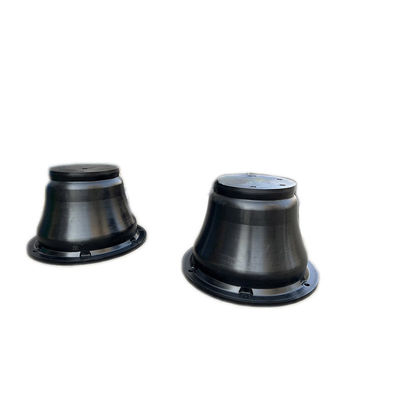
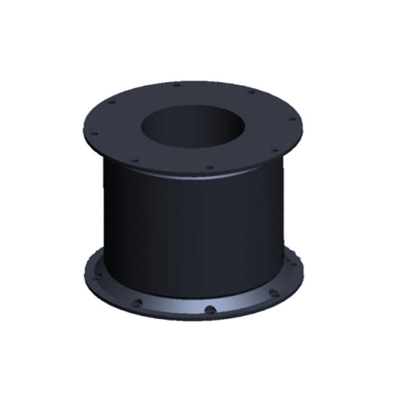
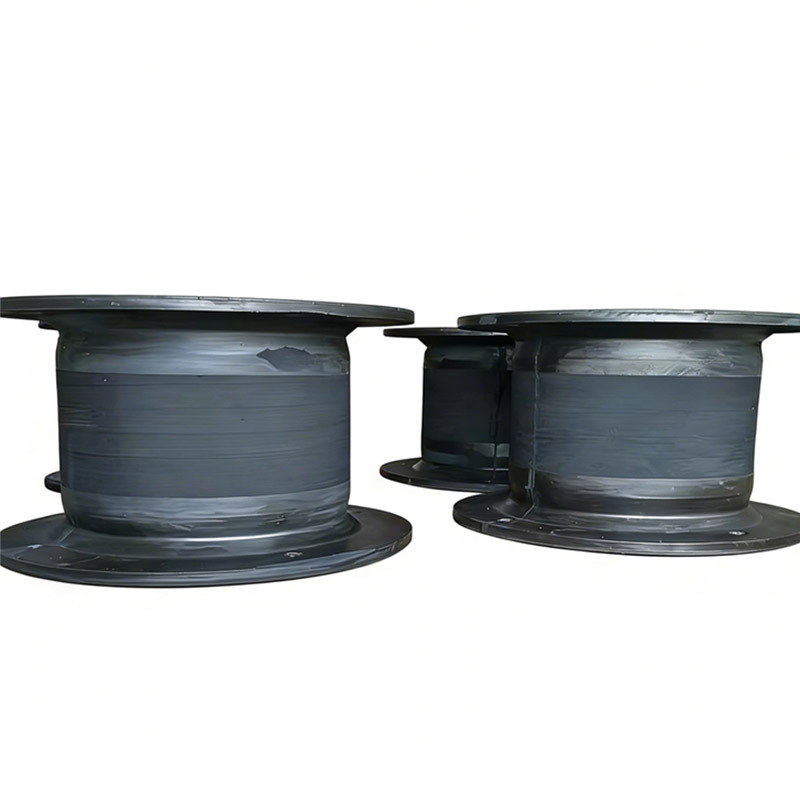
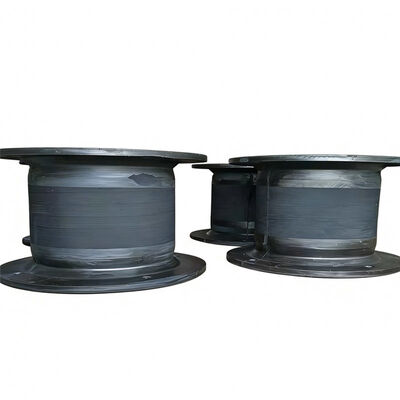
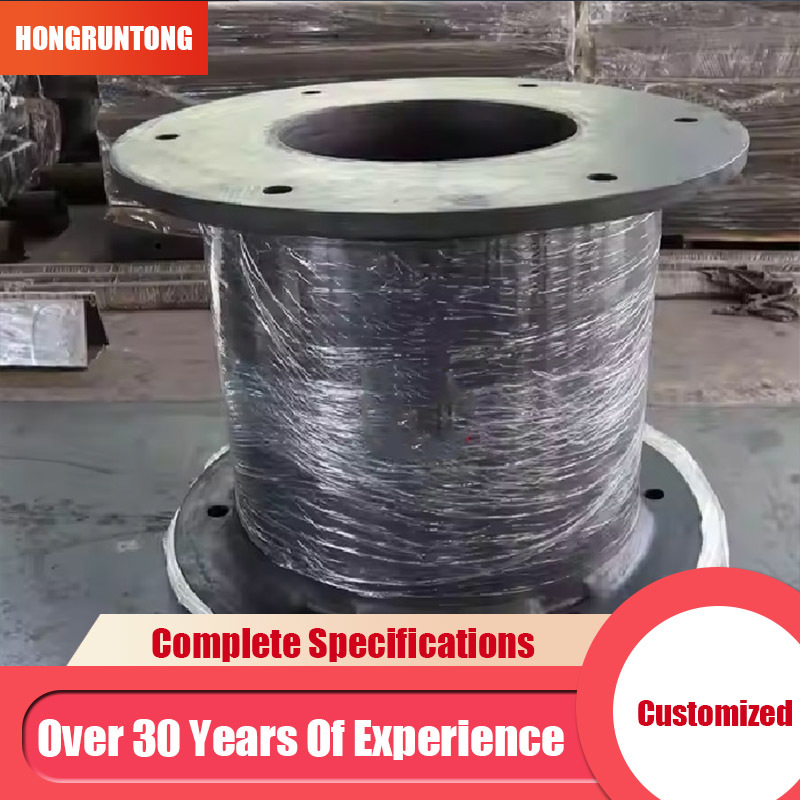
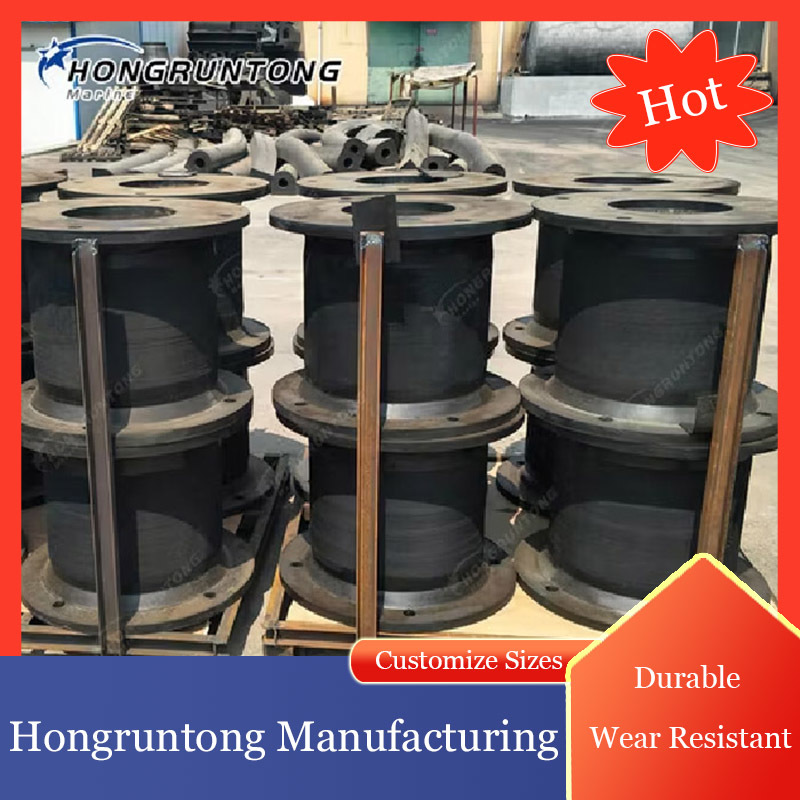
Cell Rubber Fenders are widely recognized for their exceptional energy absorption capabilities, structural reliability, and adaptability to varied berthing conditions. Unlike simple cylindrical or cone fenders, cell fenders are constructed with a hollow circular design that provides uniform compression across the entire fender body. This allows predictable reaction forces even under eccentric or off-center berthing impacts. The design also ensures that stress is distributed evenly to the flange and the front panel, reducing the likelihood of local cracking or premature rubber fatigue. Advanced rubber compounding with anti-ozone, UV-resistant, and fatigue-resistant properties allows the fender to maintain elasticity over thousands of compression cycles, even in extreme environmental conditions. The flanges are reinforced with high-strength steel, precision-machined, and coated with anti-corrosion layers, guaranteeing structural integrity for decades of operation.
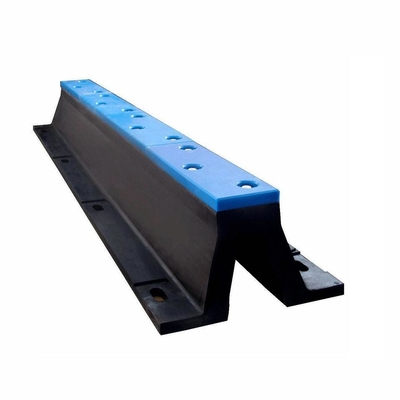
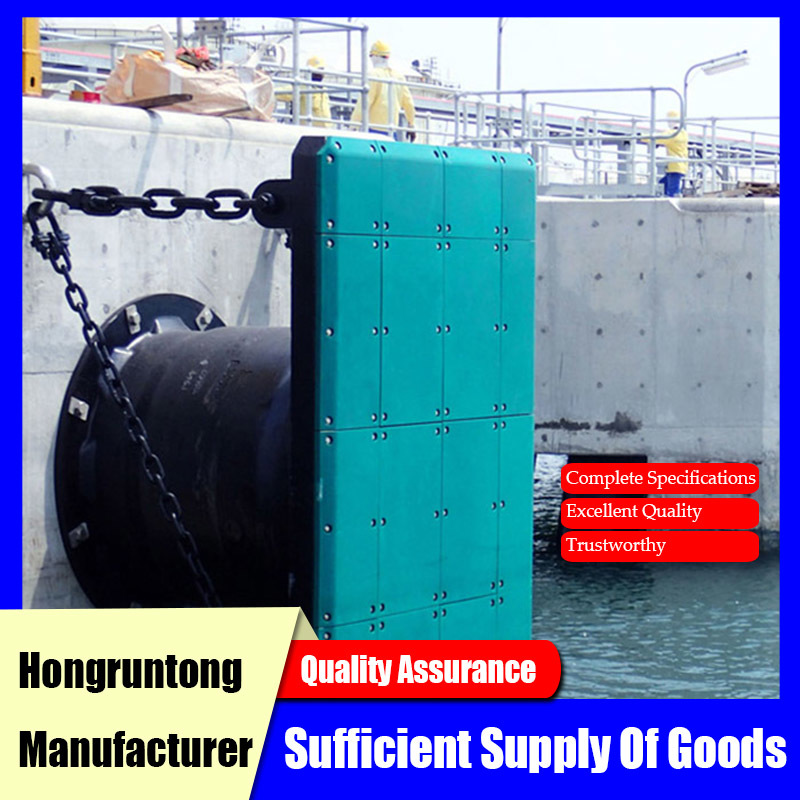
The fender’s performance is enhanced when paired with frontal panels or UHMW-PE pads, which reduce friction, protect vessel hulls, and provide a larger contact area to dissipate berthing energy efficiently. The predictable and stable reaction curve of cell fenders allows precise engineering for energy absorption, reaction force management, and risk reduction for both berthing infrastructure and vessel hulls. Their modular design allows customization of size, height, and deflection capacity, making them suitable for terminals handling various vessel types including bulk carriers, container ships, tankers, and LNG carriers.
Case Study: Container Terminal in West Africa
A West African container port was expanding to accommodate larger post-Panamax vessels. The existing fender system, primarily composed of outdated cone and cylindrical fenders, failed to absorb berthing energy uniformly, causing frequent hull scraping incidents and localized panel deformation. The port required a solution that could reliably absorb high energy, minimize hull impact, and withstand the humid, salt-laden marine environment.
Hongruntong Marine designed a series of high-capacity Cell Rubber Fenders, optimized for both the weight and length of incoming vessels. The fenders were combined with reinforced steel frontal panels and thick UHMW-PE pads to achieve smooth contact and low friction. Advanced simulations were conducted to verify energy absorption under various vessel approach scenarios, including extreme tidal variations and angled berthings.
Following installation, post-operation monitoring revealed significant improvements: the maximum hull pressure decreased by 20%, localized panel stress was eliminated, and rubber fatigue signs were minimal. Maintenance intervals increased from six months to over a year, reducing downtime and operational costs. This project confirmed the suitability of Cell Rubber Fenders for high-energy container berths where vessel dimensions and approach dynamics vary frequently.
Specifications
| Product Name |
Cell Rubber Fender |
| Brand Name |
Hongruntong Marine |
| Material |
High Quality Natural Rubber |
| Reaction Force |
29-4626KN |
| Energy Absorption |
4-6102KNM |
| Hardness |
≤82 Shore A |
| Standard |
PIANC2002, HGT2866-2016 |
| Processing Service |
Moulding, Cutting |
| Lifespan |
15-20 Years |
| Service |
OEM or ODM |
| Features |
Strong, Robust, Well Proven Design |
| Application |
Port, Dock, Quay, etc |
| Model |
H |
h |
D1 |
D2 |
n-t |
| Cell |
[mm] |
[mm] |
[mm] |
[mm] |
[mm] |
| CF-C400H |
400 |
25 |
650 |
550 |
30 |
| CF-C500H |
500 |
25 |
650 |
550 |
32 |
| CF-C630H |
630 |
30 |
840 |
700 |
39 |
| CF-C800H |
800 |
30 |
1050 |
900 |
40 |
| CF-C1000H |
1000 |
35 |
1300 |
1100 |
47 |
| CF-C1150H |
1150 |
40 |
1500 |
1300 |
50 |
| CF-C1250H |
1250 |
45 |
1650 |
1450 |
53 |
| CF-C1450H |
1450 |
47 |
1850 |
1650 |
61 |
| CF-C1600H |
1600 |
50 |
2000 |
1800 |
61 |
| CF-C1700H |
1700 |
55 |
2100 |
1900 |
66 |
| CF-C2000H |
2000 |
55 |
2200 |
2000 |
74 |
| CF-C2250H |
2250 |
60 |
2550 |
2300 |
74 |
| CF-C2500H |
2500 |
70 |
2950 |
2700 |
90 |
| CF-C3000H |
3000 |
75 |
3350 |
3150 |
90 |
Features
Uniform Compression and Predictable Reaction Force
The circular cell structure ensures that stress is distributed evenly across the fender body. This minimizes localized deformation and provides a smooth reaction force curve, which is critical for terminals handling vessels with variable approach angles and velocities.
High Energy Absorption Efficiency
Cell fenders absorb more energy per unit of compression than conventional fenders, reducing hull impact and distributing forces across the frontal panel. This helps protect vessel coatings and structural integrity, especially on large container ships.
Durable Rubber with Environmental Resistance
The fender compound incorporates anti-aging, ozone, and UV-resistant additives. It maintains mechanical properties under long-term exposure to sunlight, salt spray, or industrial pollutants, ensuring consistent elasticity and low permanent compression set.
Reinforced Steel Flange for Structural Integrity
The flange is made of high-strength steel, precision-machined, and treated with anti-corrosion coatings. This ensures secure installation and prevents detachment or deformation under high-impact berthing conditions, extending the service life of the fender system.
Applications
High Capacity Container Terminals
Cell Rubber Fenders provide reliable energy absorption for large container ships, ensuring stable berthing even under heavy loads and varying vessel sizes.
Ports with Variable Tides and Currents
Their predictable reaction curve allows consistent performance under tidal fluctuations and current-driven approach misalignments, reducing operational risk.
Harsh Marine Environments
The fender’s rubber composition is suitable for tropical, humid, and salt-laden environments, providing long-lasting durability without frequent replacement.
Why Choose Hongruntong Marine
Advanced Engineering Expertise
Hongruntong provides full engineering support, including berthing energy calculations, FEM simulations, and customized design to match vessel types, berth conditions, and operational requirements.
High Quality Material and Manufacturing Control
All rubber compounds are tested for tensile strength, elongation, compression set, and resistance to environmental degradation. Automated vulcanization ensures uniform material properties.
Precision Steel Fabrication
Steel flanges and frontal panels are manufactured in-house with CNC precision, corrosion protection, and welding quality verification to ensure durability and safety.
Lifecycle Support and Global Service
Hongruntong provides installation guidance, maintenance scheduling, and performance monitoring, ensuring optimal long-term fender performance across global installations.
FAQ
Q1: Can Cell Rubber Fenders handle repeated high-frequency impacts?
A: Yes. Their fatigue-resistant rubber and reinforced design allow them to endure thousands of berthing cycles with minimal performance loss.
Q2: Are custom dimensions available?
A: Yes. Hongruntong can tailor diameter, height, and flange dimensions to specific berth requirements.
Q3: How is performance verified before delivery?
A: Each fender is tested for compression, hardness, tensile strength, and bonding quality according to PIANC and ISO 17357 standards.
Q4: What maintenance is recommended?
A: Inspect bolts, flange alignment, rubber surface, and frontal panels every 6–12 months depending on vessel traffic and environmental exposure.
Q5: How long do Cell Rubber Fenders last?
A: Typical service life exceeds 15 years, depending on operational frequency, vessel size, and environmental conditions.


 Your message must be between 20-3,000 characters!