Port Fenders High Energy Absorption Strong Durability Low Reaction Force
Description
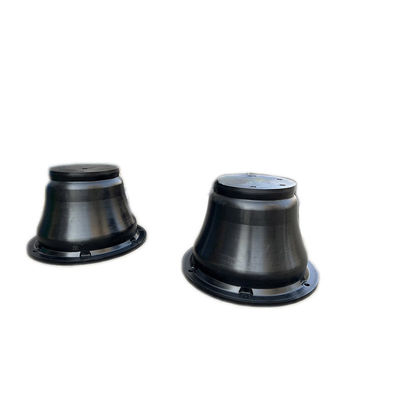
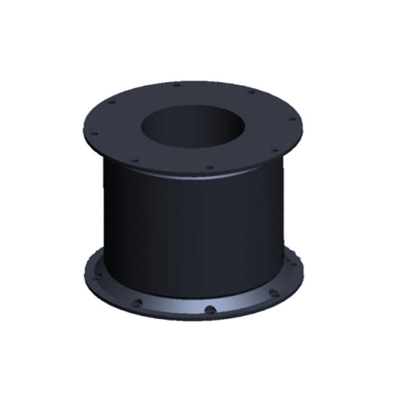
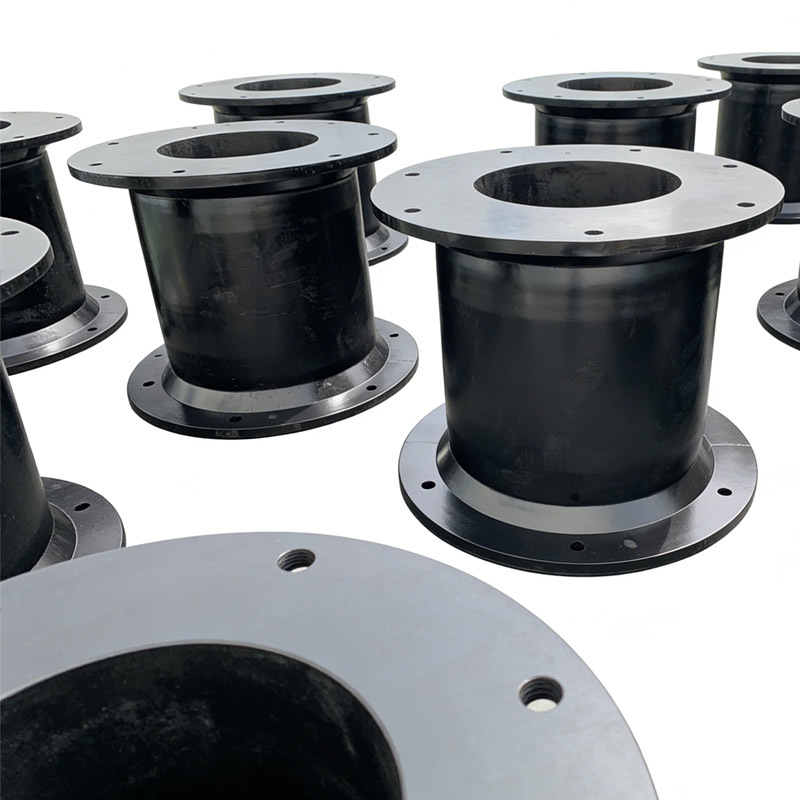
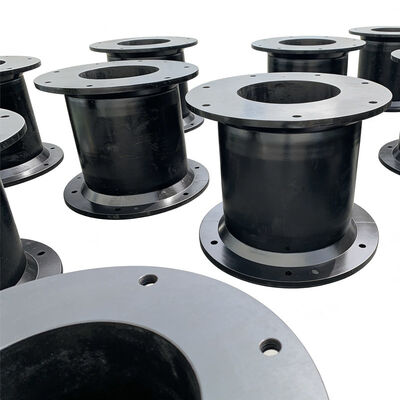
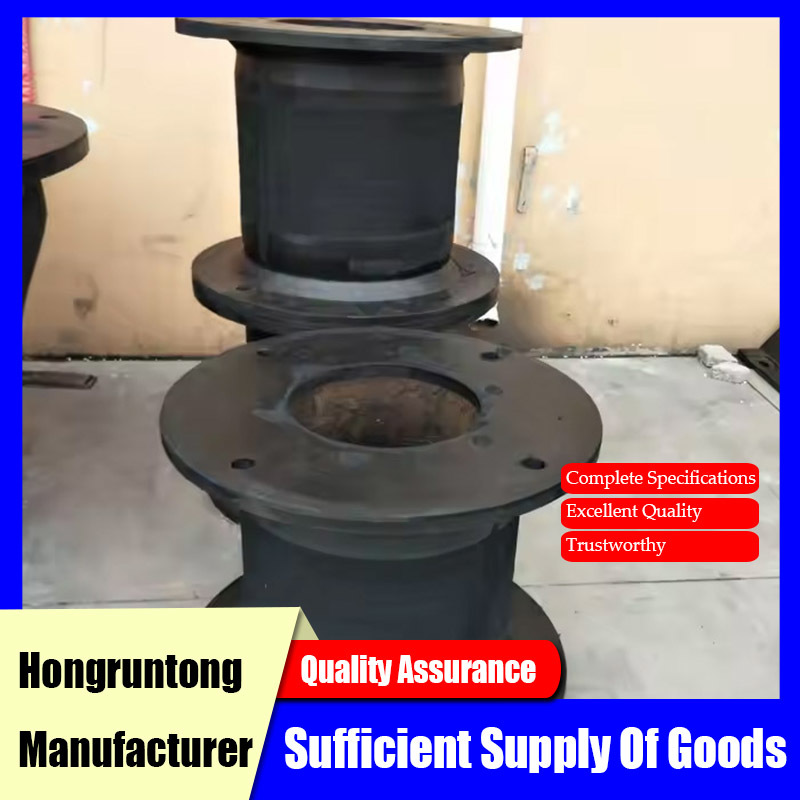
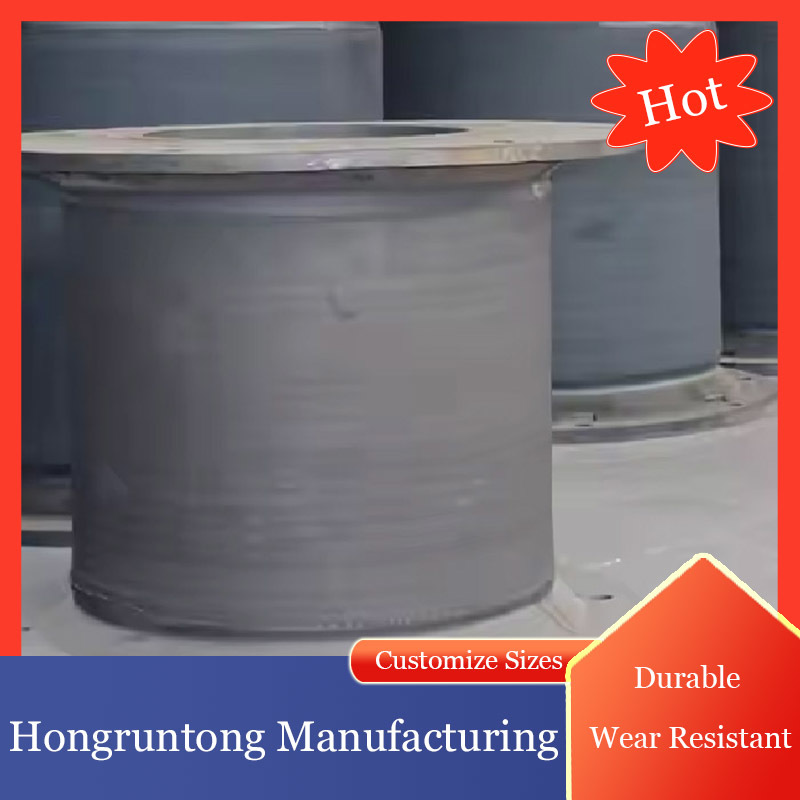
Cell Rubber Fenders represent one of the most mature, stable and impact-efficient fender designs used in modern port engineering. Developed to deliver a wide, uniform load distribution across a large frontal panel, they minimize hull pressure while maximizing energy absorption. Their hollow cylindrical body, combined with a robust circular mounting flange, allows controlled axial and radial deformation under load. This predictable deflection behavior ensures consistent performance even under highly variable berthing conditions. Cell fenders are particularly valued for their ability to maintain structural integrity over long service cycles, especially in berths handling vessels with fluctuating displacement, off-center impacts, or challenging tidal ranges. Engineered from high-grade rubber compounds, the fenders demonstrate excellent fatigue resistance, ozone tolerance, and stability in environments with elevated salinity, industrial pollution, and wide temperature swings. Their symmetrical geometry simplifies installation, alignment, and long-term maintenance planning for operators seeking reliability over decades.
In addition to structural benefits, cell fenders provide efficient interaction with frontal panels and UHMW-PE pads. This combination not only reduces hull friction but also ensures that the berthing force is distributed across a controlled contact area, lowering peak stresses on both the fender body and the berth infrastructure. The fender’s reaction force curve is predictable and consistent, allowing design engineers to integrate berthing energy calculations with confidence. The system’s modular configuration also offers flexibility; different panel shapes, pad materials, or anchoring solutions can be selected according to vessel class, quay geometry, or operational constraints. This adaptability allows cell fenders to be customized for facilities ranging from multipurpose terminals to energy ports.
Case Study: LNG Terminal Upgrade in Northern Australia
A major LNG facility in Northern Australia undertook a large-scale berth modernization project to accommodate a new fleet of LNG carriers ranging from 125,000 to 180,000 m³. The existing fender system, originally designed for smaller vessels, exhibited uneven deformation, high reaction peaks, and accelerated rubber wear due to increased vessel displacement and side-berthing forces. Engineering consultants recommended upgrading to a series of heavy-duty cell fenders to improve energy absorption capacity and stabilize berthing operations under tidal conditions exceeding three meters.
Hongruntong Marine provided a tailored fender solution that included high-capacity cell units paired with wide steel frontal panels equipped with marine-grade UHMW-PE pads. During the engineering phase, Hongruntong’s team performed finite element analysis to verify deformation behavior under projected berthing loads. Simulations considered bow flare angles, current-assisted approach speeds, and berthing misalignments common to LNG carriers operating in the region. The results confirmed that the selected fender series would reduce peak reaction force by more than 17% while increasing energy absorption by over 25% compared to the previous system.
The installation phase was executed with minimal operational interruption. Pre-fabricated base frames, corrosion-protected anchor systems, and alignment brackets allowed rapid mounting during scheduled tidal windows. Following installation, the terminal reported immediate improvements in berthing stability. Vessel captains noted smoother hull-to-fender engagement, and maintenance teams observed reduced frictional heat and minimal surface abrasion on the UHMW-PE pads. Over the next 18 months, performance monitoring confirmed consistent energy absorption, minimal fatigue wear, and reliable long-term deformation behavior across all fender units. The upgraded system also facilitated safer operations during high-wind berthings, resulting in measurable reductions in hull contact stress and quay infrastructure loads.
This case highlights how a properly engineered cell fender system can restore operational efficiency, extend berth lifespan, and enhance the safety profile of terminals handling large, displacement-sensitive vessels. For ports seeking predictable performance across variable environmental and operational conditions, cell fenders remain one of the most reliable solutions available.
Specifications
| Product Name |
Cell Rubber Fender |
| Brand Name |
Hongruntong Marine |
| Material |
High Quality Natural Rubber |
| Reaction Force |
29-4626KN |
| Energy Absorption |
4-6102KNM |
| Hardness |
≤82 Shore A |
| Standard |
PIANC2002, HGT2866-2016 |
| Processing Service |
Moulding, Cutting |
| Lifespan |
15-20 Years |
| Service |
OEM or ODM |
| Features |
Strong, Robust, Well Proven Design |
| Application |
Port, Dock, Quay, etc |
| Model |
H |
h |
D1 |
D2 |
n-t |
| Cell |
[mm] |
[mm] |
[mm] |
[mm] |
[mm] |
| CF-C400H |
400 |
25 |
650 |
550 |
30 |
| CF-C500H |
500 |
25 |
650 |
550 |
32 |
| CF-C630H |
630 |
30 |
840 |
700 |
39 |
| CF-C800H |
800 |
30 |
1050 |
900 |
40 |
| CF-C1000H |
1000 |
35 |
1300 |
1100 |
47 |
| CF-C1150H |
1150 |
40 |
1500 |
1300 |
50 |
| CF-C1250H |
1250 |
45 |
1650 |
1450 |
53 |
| CF-C1450H |
1450 |
47 |
1850 |
1650 |
61 |
| CF-C1600H |
1600 |
50 |
2000 |
1800 |
61 |
| CF-C1700H |
1700 |
55 |
2100 |
1900 |
66 |
| CF-C2000H |
2000 |
55 |
2200 |
2000 |
74 |
| CF-C2250H |
2250 |
60 |
2550 |
2300 |
74 |
| CF-C2500H |
2500 |
70 |
2950 |
2700 |
90 |
| CF-C3000H |
3000 |
75 |
3350 |
3150 |
90 |
Features
High Precision Deflection Control
Cell fenders exhibit predictable load-deflection behavior that allows engineers to model berthing forces with high accuracy. Their symmetrical geometry channels deformation uniformly, reducing stress concentrations and ensuring stable energy absorption even at high deflection rates. This controlled response is essential in environments where vessel approach speeds vary and where berth structures must maintain consistent safety margins. The ability to maintain performance across a full deformation curve provides operators with confidence during both routine and challenging berthing scenarios.
Optimized Reaction Force Management
The design of the fender allows for efficient distribution of reaction loads across large steel panels, significantly reducing peak stresses and preventing localized structural damage. Ports handling vessels with wide hull geometries benefit from the uniform pressure distribution created by the fender-panel interface. The structural stability of the cell body, combined with advanced rubber compounding, prevents sudden force spikes and supports smooth berthing engagement. This not only protects the quay wall but also minimizes hull deformation and surface wear on vessels.
Enhanced Material Composition and Fatigue Resistance
Hongruntong’s cell fenders utilize reinforced rubber formulations designed to resist cracking, ozone degradation, and cyclic loading fatigue. This advanced compounding ensures long-term elasticity and compression resilience even after thousands of berthing cycles. Fatigue resistance is especially critical for busy terminals where fenders endure frequent loading-unloading cycles under varied angles and environmental stresses. The molecular stability of the rubber enhances lifespan and reduces maintenance intervals, lowering total operational cost.
Structural Stability Under Multi-Directional Loads
Owing to their cylindrical cell architecture, these fenders maintain structural stability under both axial and radial loading conditions. This makes them suitable for berthing environments where vessels may contact the fender at angles or experience current-driven shifts during docking. The design prevents torsional instability and ensures energy absorption remains consistent regardless of impact direction. This multi-directional stability makes cell fenders ideal for ports with unpredictable weather or dynamic tidal variations.
Applications
High Capacity Berths Requiring Predictable Energy Absorption
Cell fenders excel in berths where vessels with large displacements require uniform absorption of berthing forces. Their predictable performance offers reliable protection for terminal structures during high-energy berthings, especially in facilities handling frequent vessel rotations.
Terminals Needing Stable Reaction Load Distribution
Where quay walls or dolphins require minimized reaction peaks, the fender’s wide steel panel integration ensures smooth load transfer. This makes them suitable for installations where the underlying structure has limited tolerance for concentrated stresses.
Environments with Heavy Fatigue Cycling
Terminals experiencing continuous daily berthings will benefit from the fender’s fatigue-resistant rubber compounds and long-cycle durability, ensuring stable performance under repetitive loading and variable environmental conditions.
Why Choose Hongruntong Marine
Engineering Driven Customization
Hongruntong Marine integrates hydrodynamic analysis, berthing simulations, and structural assessment into each fender design. This engineering-first approach ensures that every fender is optimized for vessel class, quay geometry, environmental conditions, and operation type, providing solutions tailored to exact performance needs.
Advanced Rubber Compounding and Process Control
The company utilizes precision-engineered rubber formulations tested for tensile strength, elongation, resistance to tearing, and ozone exposure. Automated curing systems, material traceability protocols, and continuous batch testing ensure that every fender maintains uniform mechanical properties and long-term stability.
High Strength Steel Panel Fabrication and Quality Assurance
Hongruntong’s in-house steel fabrication capabilities include CNC cutting, submerged-arc welding, shot blasting, and multi-layer marine-grade coating systems. Each frontal panel undergoes dimensional inspection, weld integrity testing, and coating adhesion evaluation, ensuring that the final system operates reliably in harsh marine environments.
Comprehensive Lifecycle Support and Performance Verification
The company offers installation guidance, moment-alignment analysis, torque specification instructions, and post-installation performance evaluation. Periodic inspection services, deformation tracking, and material fatigue assessments help operators maximize fender lifespan and maintain safety compliance. This end-to-end support differentiates Hongruntong as a long-term technical partner rather than a simple product supplier.
FAQ
1. How does a Cell Rubber Fender maintain consistent performance over time?
The fender’s rubber formulation is engineered for elasticity retention, resistance to ozone and UV exposure, and fatigue strength. Continuous testing during production ensures stable mechanical properties, while the fender’s geometry ensures predictable deformation across thousands of load cycles.
2. Can the fender be customized for different vessel hull shapes?
Yes. Hongruntong can adjust panel size, rubber grade, anchoring layout, and fender dimensions according to the hull flare characteristics and berthing energy requirements of specific vessel classes.
3. What maintenance is required after installation?
Routine inspection typically includes checking bolt torque, panel alignment, UHMW-PE pad condition, and visual examination for unusual deformation or rubber surface cracking. These inspections help identify early signs of fatigue or improper loading.
4. How does environmental exposure affect the fender?
Advanced rubber compounding provides high resistance to salinity, UV radiation, temperature fluctuations, and chemical vapors. Even in polluted or high-ozone environments, mechanical properties remain stable due to robust molecular structure and protective surface durability.
5. What is the expected lifespan of a Cell Rubber Fender?
Service life depends on berthing frequency, vessel displacement, and environmental conditions. However, when properly installed and maintained, high-quality cell fenders from Hongruntong typically offer long operational lifespans with minimal performance degradation.


 Your message must be between 20-3,000 characters!