Dock Rubber Fender Strong Impact Protection Weather Resistant Easy Installation
Description
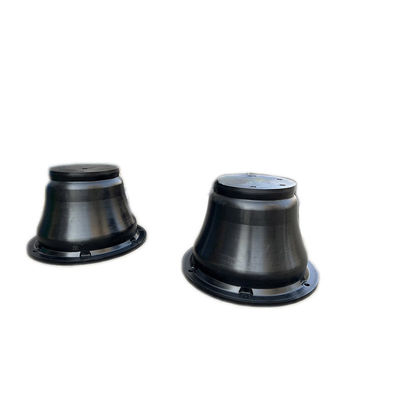
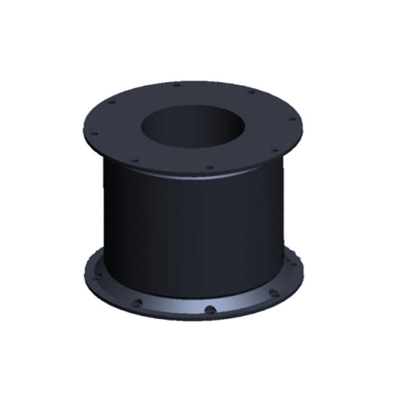
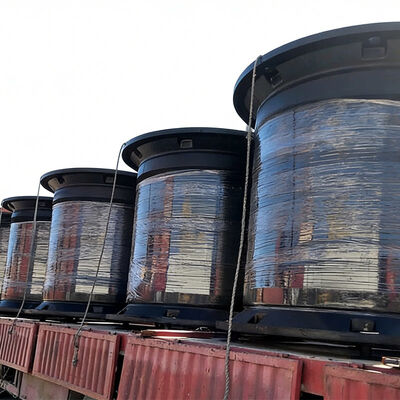
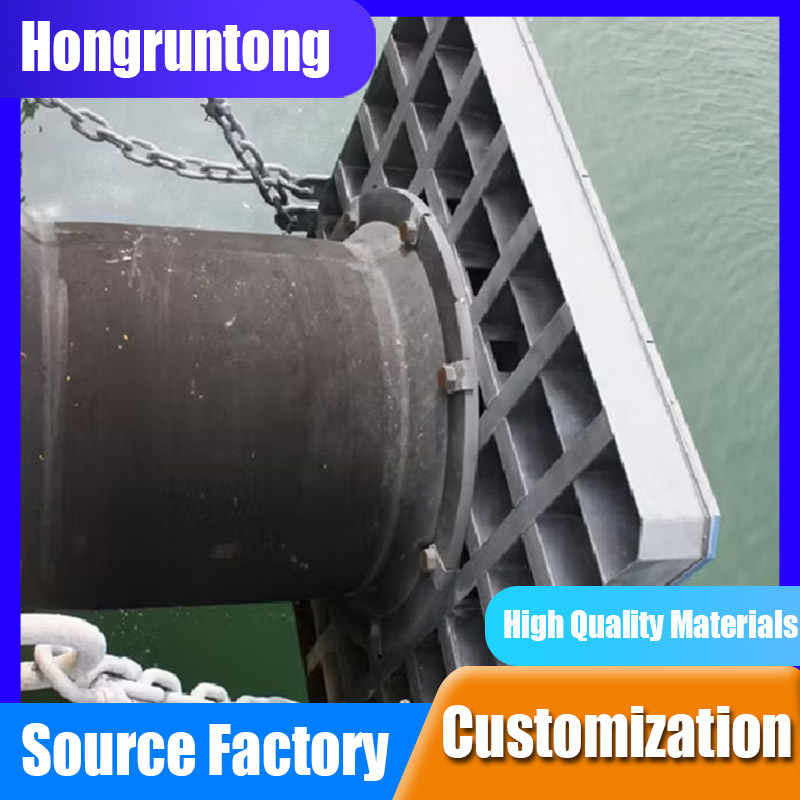
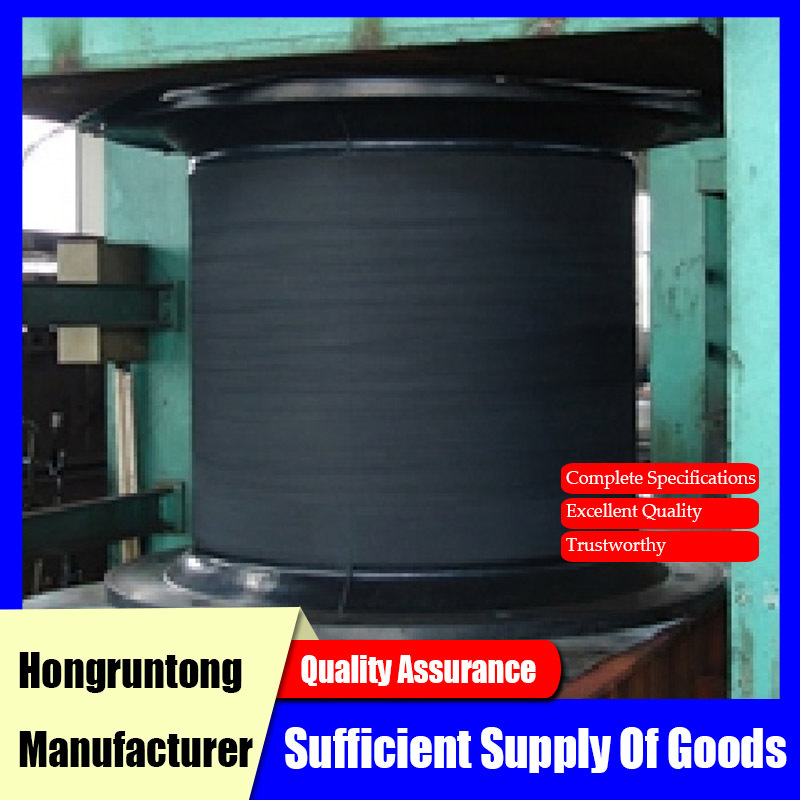
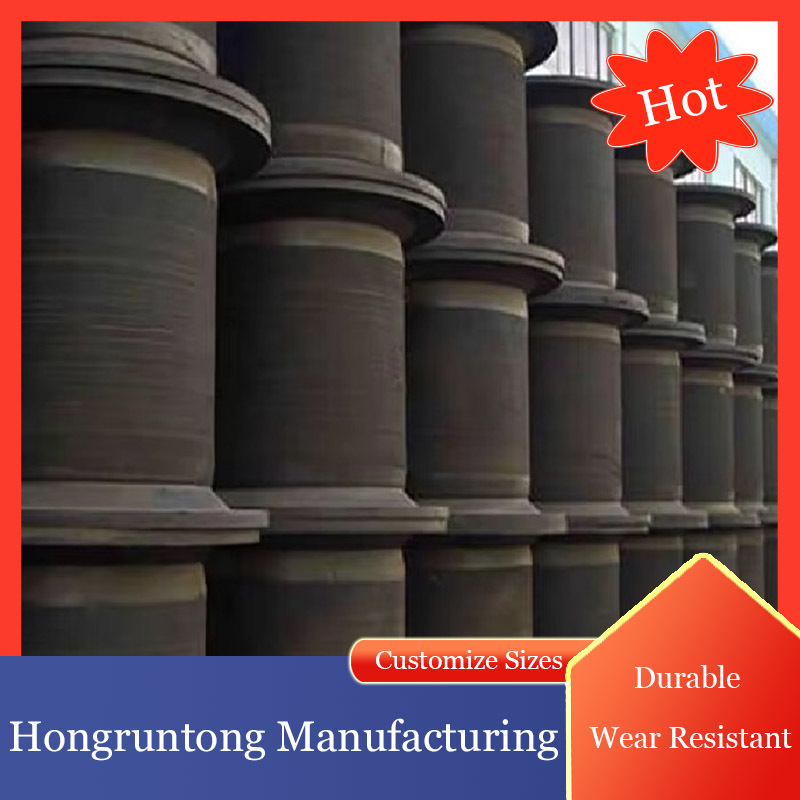
Cell Rubber Fenders are engineered to provide a mechanically stable and highly efficient energy-absorption response for modern berthing systems that demand predictable performance under diverse environmental and operational conditions. The fender’s hollow cylindrical geometry enables uniform radial compression even when vessels make contact at varying angles or velocities. Because the load distributes symmetrically around the cell body, the structure avoids shear concentration and torsional imbalance—two common factors that contribute to instability or premature cracking in alternative fender types. As a result, Cell Rubber Fenders maintain a stable reaction curve and minimize peak loads transmitted to quay structures or vessel hulls.
To achieve these performance characteristics, the rubber composition is formulated using a blend of natural and synthetic polymers with carefully selected reinforcing fillers. Anti-aging chemicals and ozone-resistant additives protect the rubber from degradation caused by UV exposure, oxidative reactions, and marine atmospheric contaminants. The curing process ensures optimal molecular cross-linking, giving the fender excellent elasticity retention and low permanent deformation, even after repeated compression cycles. Each fender is also integrated with heavy-duty steel flanges that undergo precision machining and ultrasonic weld verification to guarantee structural safety during demanding berthing events.
Case Study
A major Ro-Ro terminal in Northern Europe operated in an environment characterized by severe crosswinds and periodic storm surges. The port experienced chronic issues with its previous cylindrical fenders—particularly inconsistent energy absorption and excessive lateral deflection during angled berthing. This instability resulted in steel-panel misalignment, uneven hull pressure, and frequent maintenance interventions. Considering the high frequency of Ro-Ro operations, the port sought a fender solution capable of handling both repeated partial-compression cycles and significant lateral loads without losing structural stability.
Hongruntong Marine performed a dynamic berthing simulation incorporating vessel draft profiles, wind-induced approach deviations, and quay structural constraints. Engineers recommended Cell Rubber Fenders with an upgraded rubber compound optimized for low-temperature elasticity and strengthened flange plates specifically designed to withstand high-frequency shear loads. In addition, the design incorporated extra-thick UHMW-PE frontal panels to provide smooth vessel contact, even under lateral sliding conditions.
Following installation, a year-long monitoring program compared performance to the previous fender system. Hull-pressure sensors recorded a 25% decrease in pressure peaks, and motion analysis revealed markedly reduced lateral distortion during crosswind berthings. Maintenance logs showed a 40% reduction in both inspection time and unplanned replacements. Even during winter months, where temperatures often fell below –15°C, the fenders preserved their elasticity without exhibiting embrittlement or cracking. This case demonstrated that Cell Rubber Fenders, when properly engineered and material-optimized, deliver exceptional predictability and durability in wind-exposed, low-temperature Ro-Ro terminals.
Specifications
| Product Name |
Cell Rubber Fender |
| Brand Name |
Hongruntong Marine |
| Material |
High Quality Natural Rubber |
| Reaction Force |
29-4626KN |
| Energy Absorption |
4-6102KNM |
| Hardness |
≤82 Shore A |
| Standard |
PIANC2002, HGT2866-2016 |
| Processing Service |
Moulding, Cutting |
| Lifespan |
15-20 Years |
| Service |
OEM or ODM |
| Features |
Strong, Robust, Well Proven Design |
| Application |
Port, Dock, Quay, etc |
| Model |
H |
h |
D1 |
D2 |
n-t |
| Cell |
[mm] |
[mm] |
[mm] |
[mm] |
[mm] |
| CF-C400H |
400 |
25 |
650 |
550 |
30 |
| CF-C500H |
500 |
25 |
650 |
550 |
32 |
| CF-C630H |
630 |
30 |
840 |
700 |
39 |
| CF-C800H |
800 |
30 |
1050 |
900 |
40 |
| CF-C1000H |
1000 |
35 |
1300 |
1100 |
47 |
| CF-C1150H |
1150 |
40 |
1500 |
1300 |
50 |
| CF-C1250H |
1250 |
45 |
1650 |
1450 |
53 |
| CF-C1450H |
1450 |
47 |
1850 |
1650 |
61 |
| CF-C1600H |
1600 |
50 |
2000 |
1800 |
61 |
| CF-C1700H |
1700 |
55 |
2100 |
1900 |
66 |
| CF-C2000H |
2000 |
55 |
2200 |
2000 |
74 |
| CF-C2250H |
2250 |
60 |
2550 |
2300 |
74 |
| CF-C2500H |
2500 |
70 |
2950 |
2700 |
90 |
| CF-C3000H |
3000 |
75 |
3350 |
3150 |
90 |
Features
High Radial Compression Efficiency for Variable Berthing Angles
The cell structure is designed to compress uniformly regardless of vessel approach orientation. This ensures highly stable energy absorption even under angled berthings—a common scenario in Ro-Ro and ferry terminals where crosswinds can cause lateral drift. Compared with rectangular or conical geometries, the circular cell’s symmetry minimizes torsional distortion, improving both reliability and overall mechanical lifespan.
Low Temperature Rubber Formulation with Superior Elastic Recovery
Ports located in cold regions face unique challenges: rubber stiffening, embrittlement, and micro-cracking. Hongruntong’s low-temperature compound incorporates special elastomers and plasticizers that remain flexible at sub-zero temperatures. Laboratory freeze–thaw tests confirm the rubber’s ability to maintain deformation stability and low compression set even after long-term cold exposure—ensuring consistent reaction performance year-round.
Optimized Compatibility with Large UHMW-PE Frontal Panels
Cell Rubber Fenders pair effectively with wide-area frontal panels designed to reduce hull pressure and prevent coating damage. The cell geometry transmits load evenly to the panels, avoiding point stress at the panel brackets. Ports dealing with delicate hull surfaces—such as Ro-Ro vessels with painted boarding ramps—benefit significantly from the fender’s uniform pressure distribution.
Shear Resistant Structure for High Frequency Operations
Repeated partial compression is common in terminals with automated or frequent berthing operations. The internal structure of the fender minimizes shear concentration, preventing long-term deformation or flange fatigue. Heavy-duty ports appreciate this characteristic, as it greatly reduces unexpected downtime and maintenance costs.
Applications
Cold climate berths requiring stable elasticity at low temperatures
The enhanced rubber formulation makes the fender ideal for ports exposed to freeze–thaw cycles or prolonged cold seasons.
Ro Ro and ferry terminals with frequent, rapid berthing operations
Its shear-resistant design ensures long-term reliability under repetitive partial compression and lateral loads.
Ports subject to strong crosswinds or wave-induced vessel drift
The fender’s lateral stability helps maintain smooth berthing even when vessels approach with misalignment.
Why Choose Hongruntong Marine
Hongruntong Marine offers a vertically integrated fender-engineering capability that spans material science, structural modeling, production, and global engineering support. For Cell Rubber Fenders, the company develops specialized rubber formulations tailored to environmental extremes such as low temperatures, high salinity, and abrasive water conditions. Each compound undergoes tensile, elongation, tear-resistance, and compression-set testing to ensure long-term reliability.
Design engineering utilizes advanced finite-element simulation to model deformation behavior under varied berthing angles, dynamic loads, and lateral shear. This allows optimization of flange-ring thickness, rubber body geometry, and bonding interfaces before mold production begins. The manufacturing process includes precision-machined steel flanges, automated vulcanization cycles, and controlled cooling rates to achieve consistent bonding strength and rubber homogeneity.
Quality assurance adheres strictly to PIANC and ISO 17357 guidelines, with third-party witness testing provided by global classification societies such as ABS, DNV, CCS, and BV. Each fender receives a unique tracking code documenting its complete production history—from rubber mixing to final compression testing.
Hongruntong also offers engineering services including berthing-energy calculations, mooring-load assessments, frontal-panel design, and installation supervision. For complex terminals, long-term monitoring and post-installation audits help operators optimize maintenance schedules and evaluate fender performance under real-world conditions.
FAQ
Q1: Can Cell Rubber Fenders maintain elasticity in freezing conditions?
A: Yes. The low-temperature compound is formulated to prevent stiffness increases and micro-cracking during sub-zero exposure.
Q2: Are these fenders suitable for high-frequency Ro-Ro operations?
A: Absolutely. Their shear-resistant structure handles repeated partial compressions without performance loss.
Q3: Can Cell Fenders be integrated with existing UHMW-PE panels?
A: Yes. Bolt-pattern checks and load-path verification are performed before installation.
Q4: What testing is performed before shipment?
A: Each fender undergoes compression testing, hardness checks, tensile testing, and bonding assessments according to PIANC.
Q5: What is the service life in cold or windy regions?
A: Typically 15–20 years, depending on climate severity and vessel frequency.


 Your message must be between 20-3,000 characters!