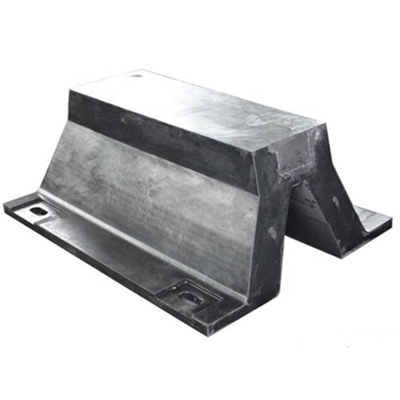
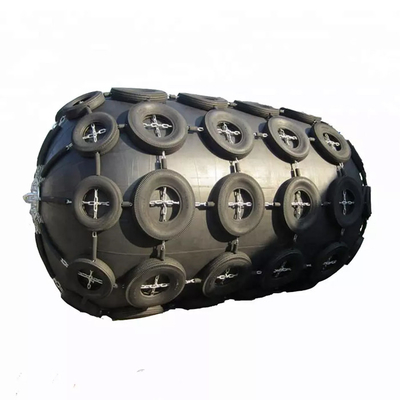
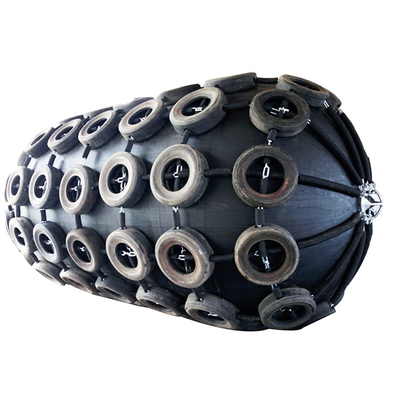
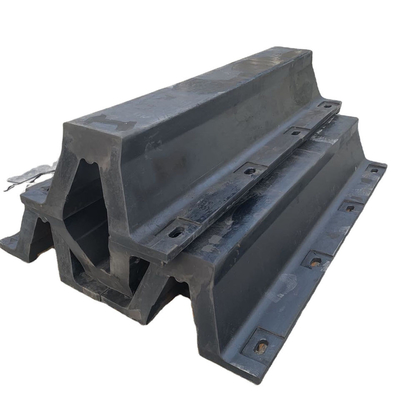
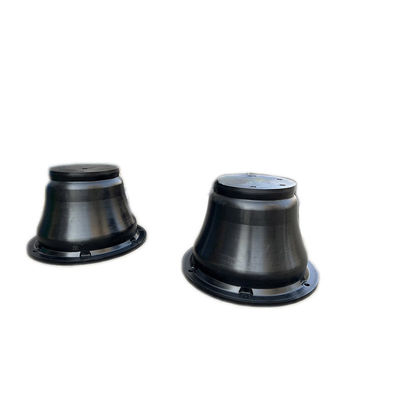
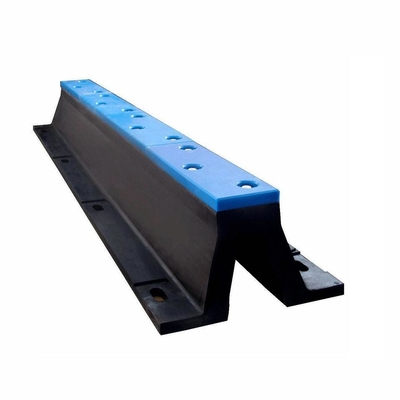
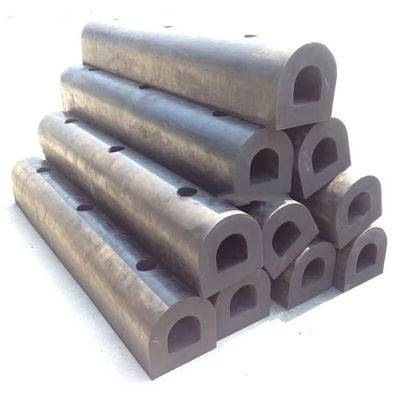
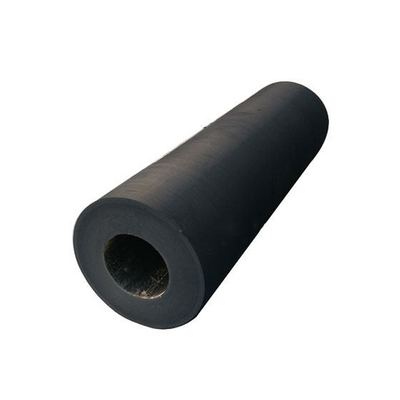
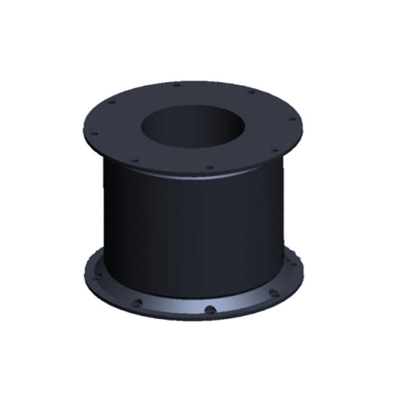
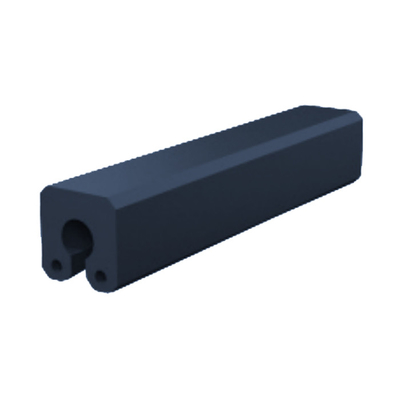
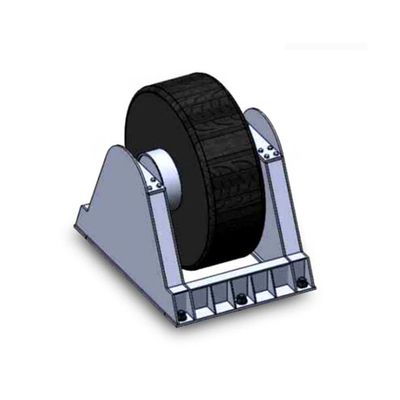
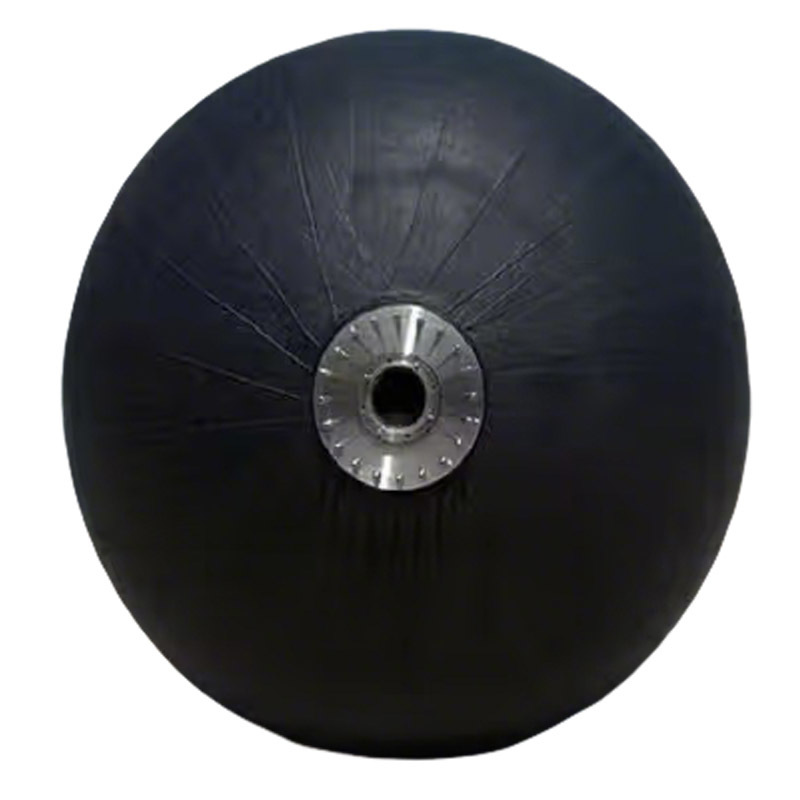
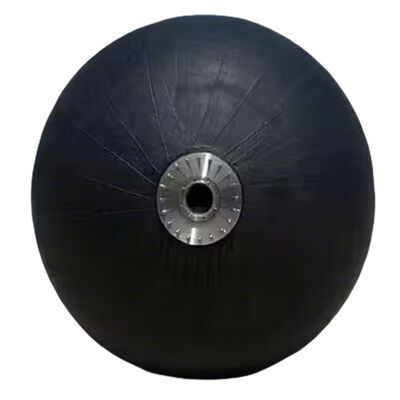
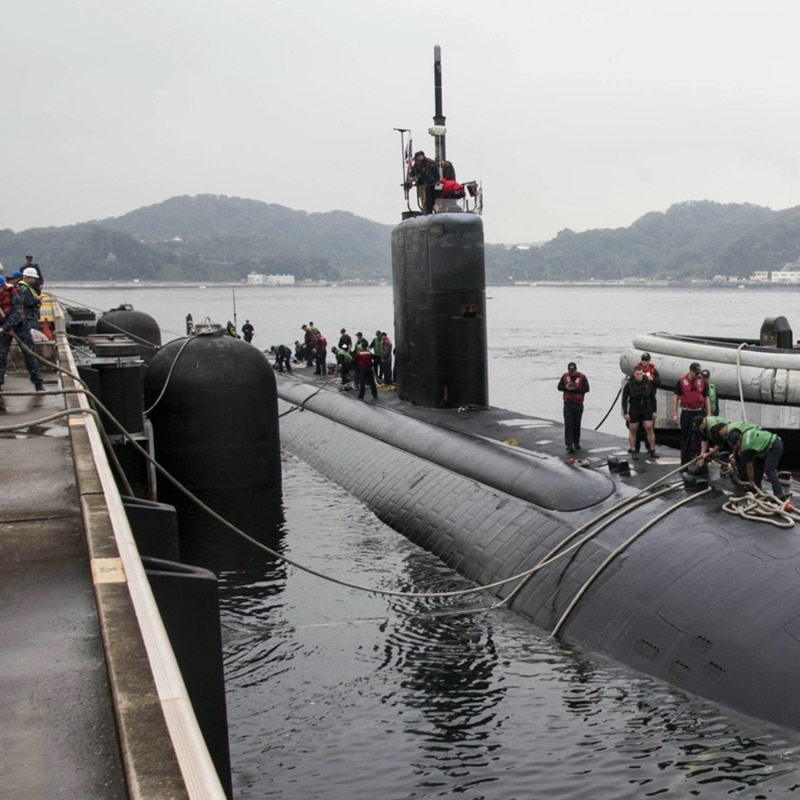
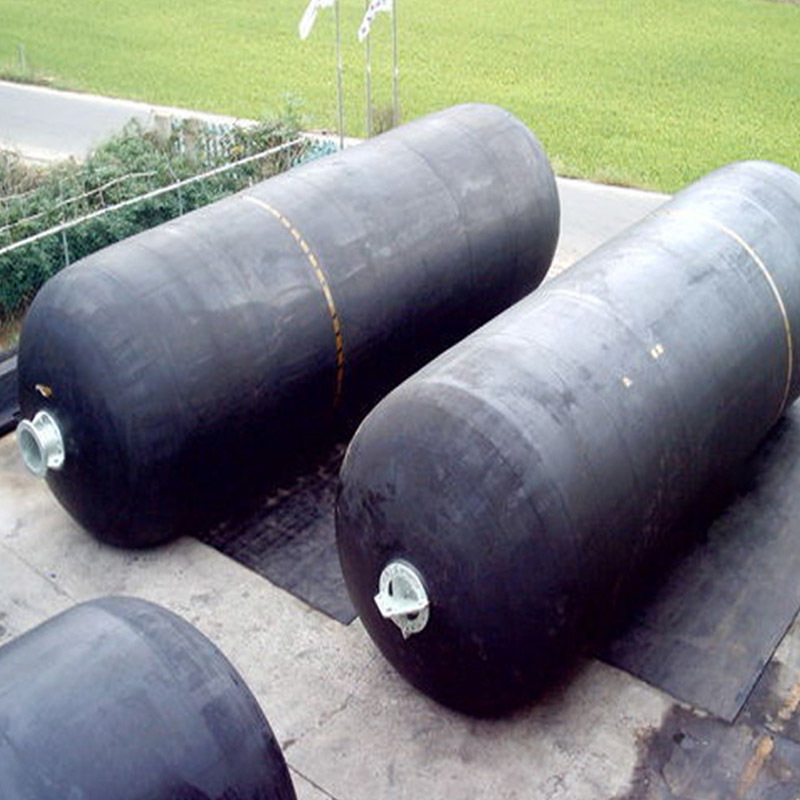
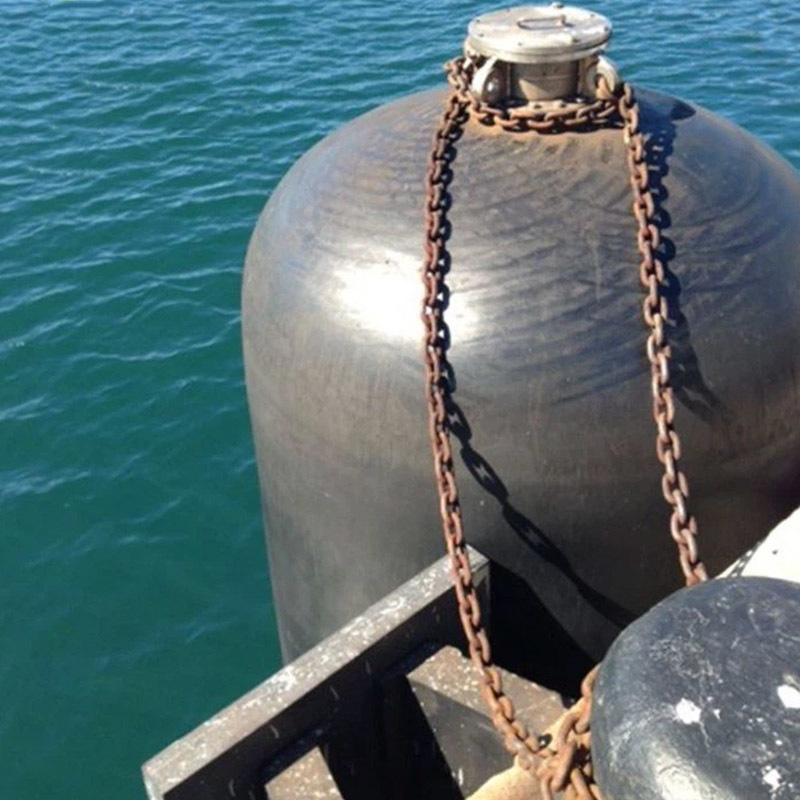
Shock Absorbing Performance Boat Fender Reliable Hull Protection Low Maintenance
Description
Submarine Fenders are critical load-bearing and energy-absorbing components used in offshore engineering projects to support vessels, floating structures, and heavy marine modules during construction, transportation, and installation phases. Unlike conventional berthing fenders, this type of Submarine Fender is designed to withstand extreme static loads, multi-directional forces, and prolonged compression under complex offshore conditions.
Hongruntong Marine Offshore Submarine Fenders are manufactured from high-density, low-compression-set marine rubber, combined with reinforced internal load-transfer structures. The design allows vertical and horizontal loads to be evenly distributed across the fender body, reducing localized stress concentrations on hull structures, pontoon decks, or offshore foundations. Fender hardness, dimensions, and structural layout can be precisely engineered according to calculated load cases.
Performance-wise, these Submarine Fenders deliver high allowable working loads, controlled deformation under heavy compression, and stable elastic recovery after unloading. The rubber compound is formulated to resist long-term exposure to seawater, hydraulic oils, UV radiation, and temperature variations commonly encountered in offshore environments. Even under continuous loading, the fenders maintain dimensional stability and predictable mechanical behavior.
Functionally, the fenders serve as temporary or semi-permanent support elements, enabling safe positioning of offshore modules, jackets, or floating structures during load transfer operations. By absorbing impact energy and accommodating minor misalignments, they significantly reduce the risk of structural damage, installation delays, and costly offshore incidents.
These Submarine Fenders are widely applied in offshore construction yards, floating dry docks, module integration sites, and offshore installation projects, providing a reliable and reusable support solution with high safety margins.
Case Study
An offshore construction contractor was responsible for the load-out of a 3,500-ton offshore deck module from a fabrication yard onto a transportation barge. During previous projects, rigid steel supports caused uneven load transfer during skid and ballast adjustment operations, increasing the risk of deck distortion and barge deck damage.
Hongruntong Marine supplied a set of heavy-duty Submarine Fenders designed for high static load support and controlled deformation. The fenders were positioned between the module support stools and the barge deck to act as elastic load-equalizing elements during the load-out process.
During operation, the Submarine Fenders effectively compensated for minor elevation differences and barge deflection caused by ballast adjustments. Load transfer remained stable throughout the operation, with no sudden load spikes or structural vibration observed. The module was successfully loaded within the planned time window, and post-operation inspection confirmed no damage to the module base or barge deck.
The contractor reported improved operational control and confirmed that the same Submarine Fenders were suitable for reuse in future offshore module projects with similar load characteristics.
Specifications
| Product Name |
Submarine Fenders |
| Material |
SBR, NR |
| Size Available |
3.3*10.6M |
| Tensile Strength |
=> 18 MPA |
| Density |
90+/-5 |
| Colour |
Black |
| Application |
Submarine, ferry, oil rigs and so on |
| Hardness |
40-70 Shore A |
| Elongation |
=> 400 |
| Tear Strength |
=> 400 N/cm |
| Breaking Strength |
>310 |
|
Chemical Resistance
|
Fuel A: No deterioration |
| Oil 3: No deterioration |
| Lubricating oil: No deterioration |
| Cutting oil: No deterioration |
| Dilute HCL: No deterioration |
Diameter x
Length |
Initial
Internal
Pressure |
Ship
Radius |
Water
Ratio |
Guaranteed
Energy
Absorption |
Reaction
Force
at GEA |
Hull
Pressure
at GEA |
Deflection
at GEA |
| (mm x mm) |
(kPa) |
(mm) |
(%) |
(kJ) |
(kN) |
(kPa) |
(%) |
| 1500 x 6100 |
50 |
3000 |
60% |
131 |
562 |
140 |
51% |
| 80 |
186 |
754 |
188 |
| 1700 x 7200 |
50 |
4000 |
65% |
167 |
682 |
137 |
47% |
| 80 |
239 |
918 |
184 |
| 2000 x 6000 |
50 |
4000 |
70% |
135 |
544 |
131 |
41% |
| 80 |
194 |
736 |
177 |
| 2500 x 5500 |
50 |
4500 |
65% |
225 |
769 |
135 |
41% |
| 80 |
322 |
1035 |
182 |
| 2500 x 7700 |
50 |
4500 |
70% |
326 |
1016 |
136 |
41% |
| 80 |
470 |
1368 |
183 |
| 3300 x 6500 |
50 |
4500 |
75% |
307 |
887 |
127 |
35% |
| 80 |
442 |
1203 |
173 |
| 3300 x 10600 |
50 |
5000 |
65% |
1003 |
2137 |
142 |
47% |
| 80 |
1429 |
2863 |
190 |
| 4500 x 9000 |
50 |
5000 |
60% |
1439 |
2401 |
138 |
46% |
| 80 |
2059 |
3228 |
185 |
| 4500 x 12000 |
50 |
6000 |
65% |
1977 |
3198 |
141 |
46% |
| 80 |
2819 |
4277 |
189 |
Characteristics
Extreme Static Load Capacity
Designed to support heavy offshore structures, the fenders are capable of sustaining high static loads while maintaining controlled deformation within engineered limits.
Controlled Deformation Behavior
The internal structure ensures predictable compression characteristics, allowing accurate load distribution during critical offshore operations.
Low Compression Set Rubber Compound
Specially formulated rubber minimizes permanent deformation under prolonged loading, ensuring long-term dimensional stability.
Offshore Environmental Resistance
Resistant to seawater immersion, oil exposure, UV radiation, and temperature variations, making them suitable for harsh offshore conditions.
Applications
Offshore Module Load-Out Operations
Used as elastic support elements during skid, lift, or load-out of heavy offshore modules onto barges or floating platforms.
Floating Dry Dock Support
Provides stable and evenly distributed support for large offshore vessels or structures during docking and maintenance.
Offshore Construction Yards
Installed beneath temporary structures or heavy equipment to reduce stress on foundations and support surfaces.
Marine Transportation Preparation
Supports structures during sea-fastening and ballast adjustment phases prior to offshore transportation.
Why Choose Hongruntong Marine
Offshore Oriented Design Philosophy
Products are engineered based on real offshore load cases, not adapted from standard harbor fender designs.
Engineering Calculation Support
Hongruntong Marine provides load analysis, deformation calculations, and configuration recommendations for each project.
High Consistency Manufacturing
Strict control of rubber formulation and molding processes ensures uniform performance across all supplied units.
Proven Project Reliability
Submarine Fenders have been successfully applied in multiple offshore engineering projects with consistent results.
FAQ
1. How is the load capacity of Submarine Fenders determined for offshore projects?
Load capacity is calculated based on project-specific parameters including total weight, contact area, safety factors, and expected deformation limits.
2. Can these fenders handle uneven load distribution during ballast adjustment?
Yes. Their elastic properties allow them to absorb and equalize load variations caused by ballast changes and structural deflection.
3. Are the fenders suitable for long-term offshore exposure?
Yes. The rubber compound is designed for extended exposure to seawater, UV radiation, and oil contamination.
4. Can the same fenders be reused for different offshore modules?
In most cases, yes. If load conditions are similar, the fenders can be reused, offering significant cost savings.
5. Do you provide technical documentation for offshore projects?
Yes. Detailed technical data, load calculations, and installation guidance can be provided upon request.


 Your message must be between 20-3,000 characters!