Inflatable Rubber Fender High Impact Absorption Excellent Seawater Resistance Lightweight
Description
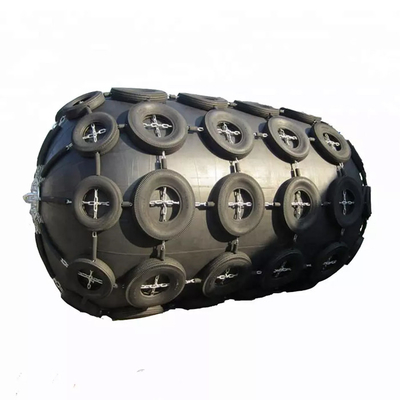
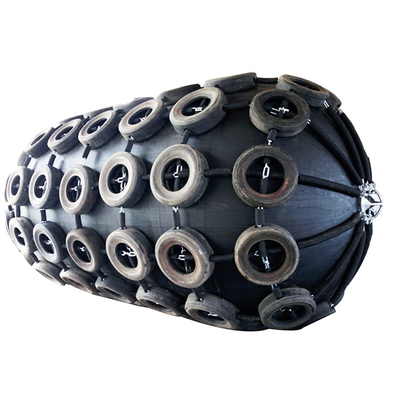
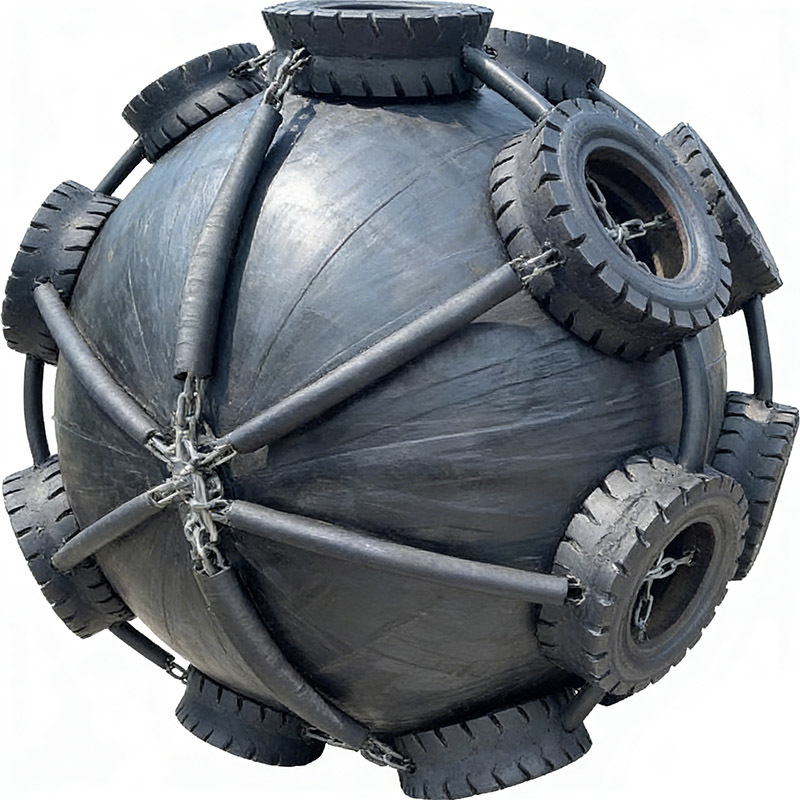
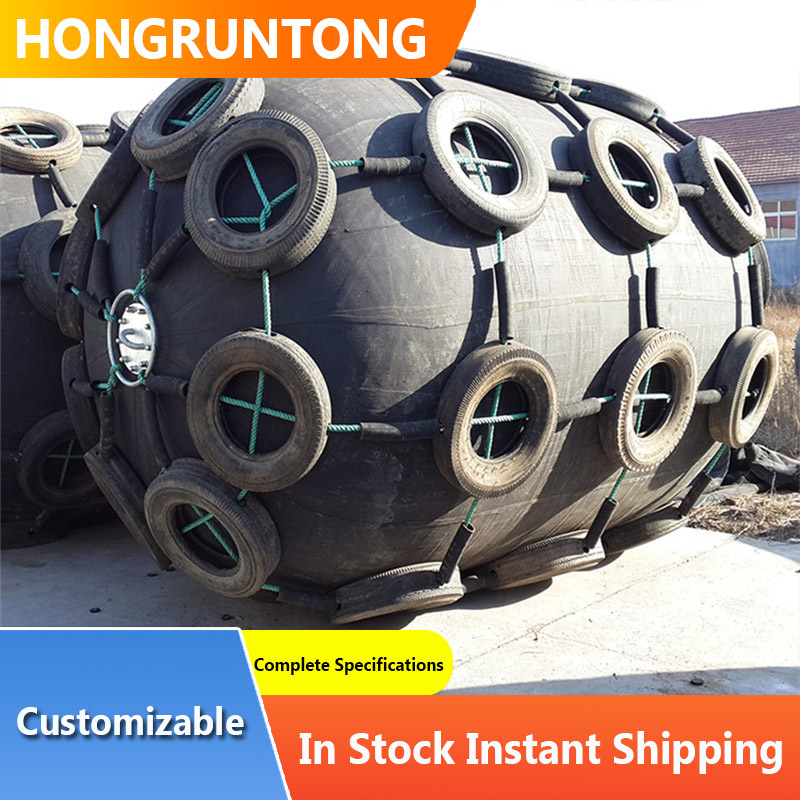
The Standard Yokohama Rubber Fender is one of the most widely adopted marine energy-absorption solutions for ports, terminals, and ship-to-ship operations worldwide. It is specifically designed to absorb berthing energy generated during vessel docking, mooring, and transfer operations, effectively minimizing impact forces on ship hulls, quay walls, and marine structures.
The fender is manufactured using high-grade synthetic rubber as the main body material, reinforced with multiple layers of high-tensile nylon tire-cord fabric. This composite construction provides exceptional tensile strength, fatigue resistance, and dimensional stability while maintaining excellent flexibility. The outer rubber layer is formulated for superior resistance to abrasion, ultraviolet radiation, seawater corrosion, and long-term weather exposure.
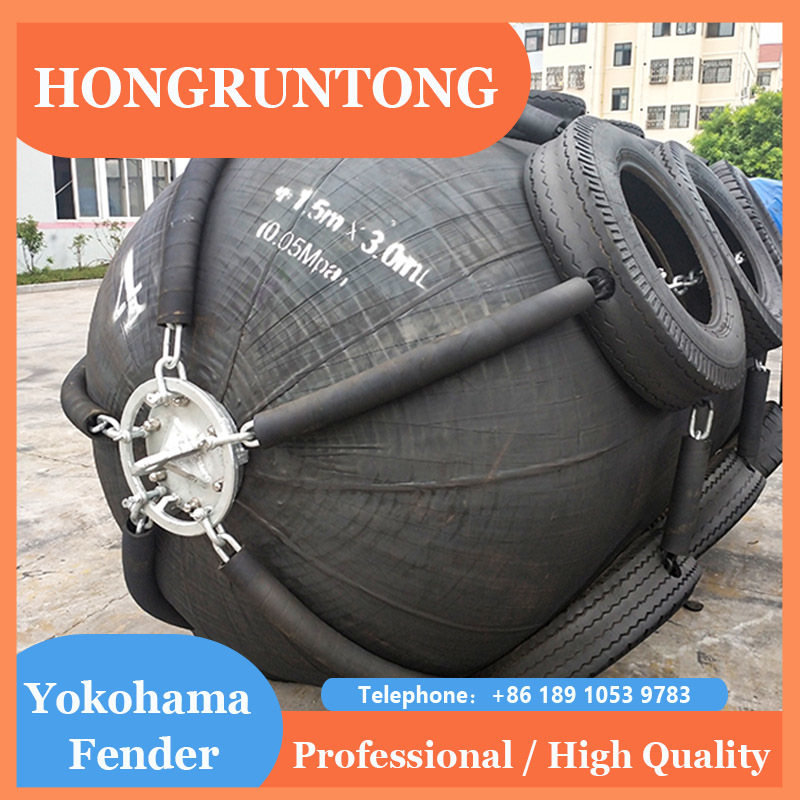
Structurally, the fender adopts a multi-layer composite design. The outer protective rubber layer shields the fender from mechanical wear and harsh marine environments. Beneath it, the reinforced cord layers distribute stress evenly during compression, preventing localized deformation. The inner airtight chamber is equipped with a high-precision inflation valve, allowing efficient air pressure control. When subjected to berthing loads, the fender undergoes controlled elastic deformation, gradually compressing internal air to absorb kinetic energy and reduce peak reaction force.
In terms of performance parameters, the Standard Yokohama Rubber Fender offers a wide range of energy absorption capacities depending on size and internal pressure, capable of handling berthing forces from medium-sized cargo vessels to large ocean-going ships. It demonstrates excellent wear resistance even when in contact with rough concrete, steel structures, or vessel hull coatings. The fender operates reliably within a temperature range of approximately -30°C to +60°C, ensuring consistent performance in both cold-region ports and tropical waters. High elastic recovery ensures rapid shape restoration after compression, supporting repeated use over extended service life.
This fender is extensively used in commercial ports, oil and gas terminals, ship-to-ship transfer operations, temporary berthing facilities, offshore platforms, and emergency docking situations where flexible and mobile protection is essential.
Case Study
A major multipurpose port in Southeast Asia experienced frequent hull scratches and quay wall damage due to aging fixed fender systems. The port primarily accommodates bulk carriers and container vessels ranging from 30,000 to 80,000 DWT. The berth structure consists of reinforced concrete quay walls, and the area is characterized by significant tidal variation and high vessel traffic density.
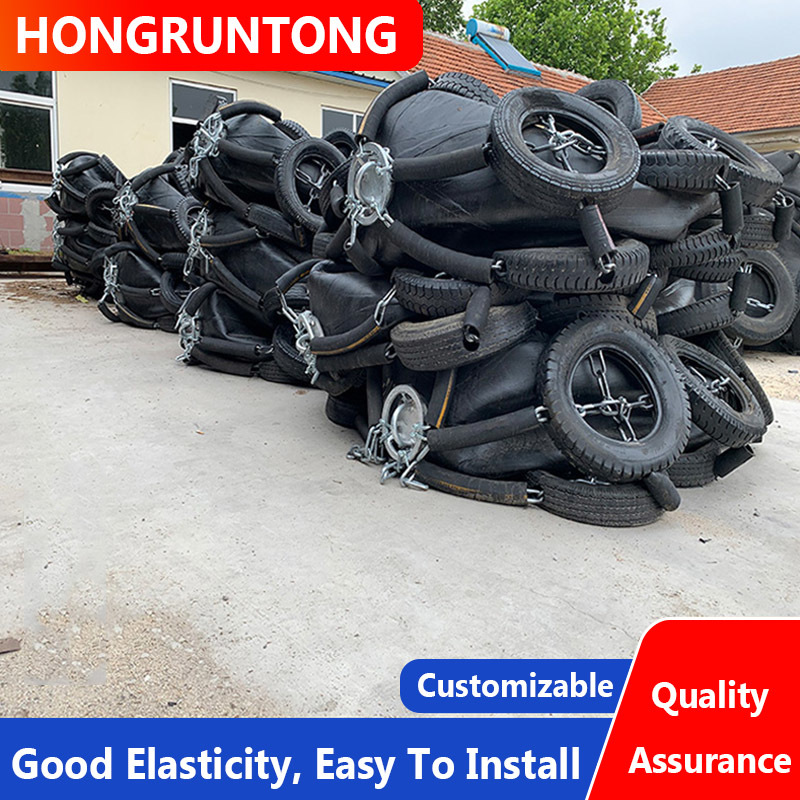
To address these challenges, the port authority introduced Standard Yokohama Rubber Fenders as both an interim and long-term protective solution. The fenders were suspended along the quay using marine-grade chains and ropes, with vertical positioning adjusted according to tidal levels. During berthing, vessels made first contact with the pneumatic fenders, which absorbed the approach energy smoothly through controlled air compression.
After implementation, berthing operations became noticeably smoother, with reduced vibration and impact noise. Operational efficiency improved as vessels required fewer maneuvering adjustments. Safety performance increased significantly, with near-elimination of hull and quay damage incidents. From a cost perspective, maintenance expenses related to concrete repair and hull coating restoration were substantially reduced. Client feedback highlighted the system’s flexibility, durability, and ease of handling as key advantages.
Specifications
| Place of Origin |
China |
| Brand Name |
Yokohama Rubber Fender |
| Material |
Natural Rubber |
| Color |
Black |
| Application |
In ports with extreme tidal variations
Ship-to-ship lightering operations
Oil Gas (typically FSRU)
Temporary berthing
|
| Feature |
Heat Resistance |
| Sample |
Usually free |
| Production Method |
Moulding |
| Temperature |
-40℃~300℃ |
| Packing |
Pallets |
| Lead time |
7-14 days |
Diameter x Length
[mm] |
50kPa
Performance Data |
80kPa
Performance Data |
Hull Pressure
at GEA
/ kN / m2 |
Reaction Force
/ kN |
Energy Absorption
/ kNm |
Hull Pressure
at GEA
/ kN / m2 |
Reaction Force
/ kN |
Energy Absorption
/ kNm |
| 1000 x 1500 |
122 |
182 |
32 |
160 |
239 |
45 |
| 1000 x 2000 |
132 |
257 |
45 |
174 |
338 |
63 |
| 1200 x 2000 |
126 |
297 |
63 |
166 |
390 |
88 |
| 1350 x 2500 |
130 |
427 |
102 |
170 |
561 |
142 |
| 1500 x 3000 |
153 |
579 |
153 |
174 |
761 |
214 |
| 1700 x 3000 |
128 |
639 |
191 |
168 |
840 |
267 |
| 2000 x 3500 |
128 |
875 |
308 |
168 |
1150 |
430 |
| 2500 x 4000 |
137 |
1381 |
663 |
180 |
1815 |
925 |
| 2500 x 5500 |
148 |
2019 |
943 |
195 |
2653 |
1317 |
| 3300 x 4500 |
130 |
1884 |
1175 |
171 |
2476 |
1640 |
| 3300 x 6500 |
146 |
3015 |
1814 |
191 |
3961 |
2532 |
| 3300 x 10600 |
158 |
5257 |
3067 |
208 |
6907 |
4281 |
| 4500 x 9000 |
146 |
5747 |
4752 |
192 |
7551 |
6633 |
| * Other size can be produced follow client's requirements. |
Features
High Energy Absorption with Low Reaction Force The optimized rubber compound and reinforced internal structure allow the fender to absorb high levels of kinetic energy while maintaining controlled reaction forces, protecting both vessels and infrastructure.
Outstanding Abrasion Resistance The specially formulated outer rubber layer resists cutting, friction, and repeated contact, ensuring long service life in demanding berthing environments.
Flexible and Easy Operation Lightweight relative to solid fender systems, the pneumatic design allows quick installation, repositioning, inflation, and deflation, ideal for both permanent and temporary applications.
Wide Temperature Adaptability Stable mechanical properties are maintained across extreme temperature ranges, ensuring reliable performance in diverse climatic conditions.
Long Term Reusability High elastic recovery and structural integrity enable repeated high‑load use, significantly reducing lifecycle costs.
Applications
Commercial Port Berthing Suitable for container ships, bulk carriers, and general cargo vessels. Installation is simple, and the fender adapts easily to varying berth configurations.
Ship‑to‑Ship Transfer Operations Provides effective energy absorption during offshore transfer operations, accommodating wave motion and relative vessel movement.
Temporary Berths and Construction Platforms Ideal for provisional docking solutions during construction or emergency scenarios, with minimal requirements for fixed infrastructure.
Why Choose Hongruntong Marine
Extensive Industry Experience Hongruntong Marine has long‑term expertise in marine engineering and port protection systems, with deep understanding of real‑world operating conditions.
Customization Capability We provide tailored fender sizes, pressures, and configurations based on vessel types, berthing energy calculations, and environmental parameters.
Strict Material Quality Control All rubber compounds and reinforcement materials are carefully selected and tested to ensure consistent quality and performance reliability.
Comprehensive After‑Sales Support Technical guidance, installation support, operation training, and long‑term service assistance are provided throughout the product lifecycle.
FAQ
1. What sizes are available for Yokohama Rubber Fenders?
A wide range of diameters and lengths is available, and custom sizes can be manufactured to meet specific berthing energy requirements.
2. How is the fender installed and used?
The fender is typically suspended using chains or ropes and inflated to the recommended pressure before operation. Height adjustment is made according to tide and vessel freeboard.
3. Can the fender be reused multiple times?
Yes. The pneumatic structure and elastic rubber materials allow repeated use with minimal performance degradation.
4. Does the product meet international safety standards?
The fender is manufactured in accordance with recognized international marine standards and undergoes strict quality inspections.
5. Is the fender suitable for harsh marine environments?
Yes. It is designed to withstand seawater exposure, UV radiation, temperature extremes, and mechanical wear.


 Your message must be between 20-3,000 characters!