Dock Fender Excellent Elasticity UV Resistance Anti Aging High Durability
Description
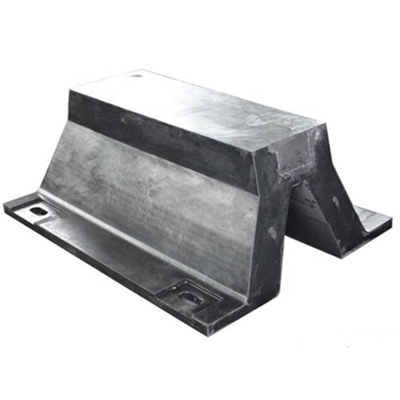
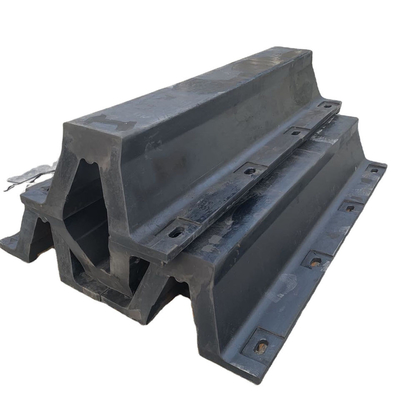
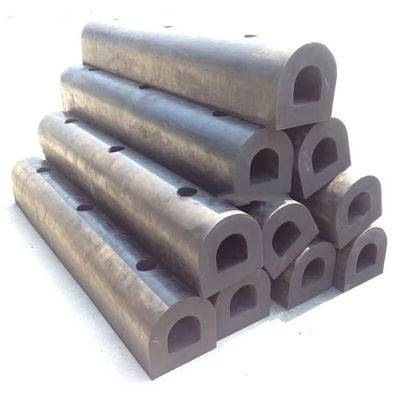
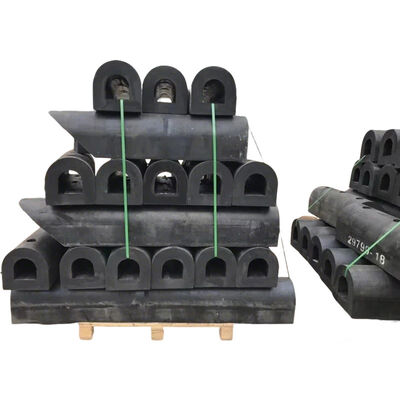
Dock Rubber Fender for shipyard launching and construction operations is specifically engineered to withstand extreme static loads and dynamic forces generated during vessel launching, shifting, and early-stage outfitting. Unlike conventional quay fenders used for routine berthing, this type of dock rubber fender must perform under prolonged compression, uneven load distribution, and high surface pressure while maintaining dimensional stability.
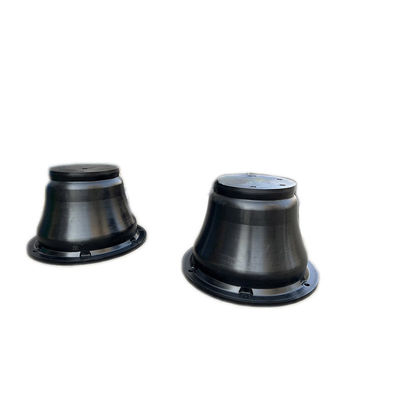
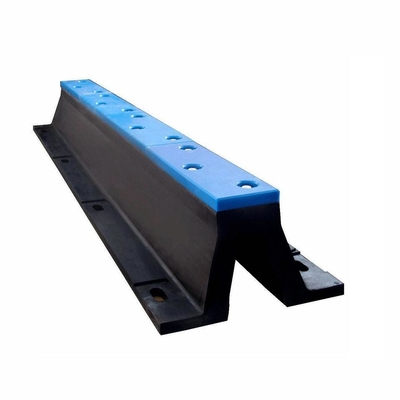
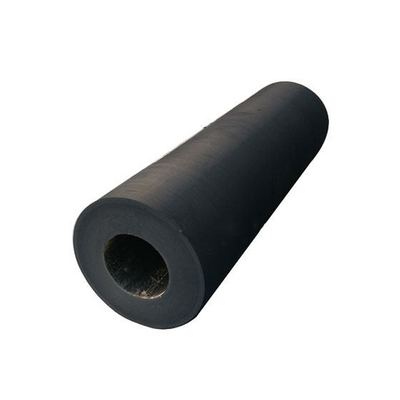
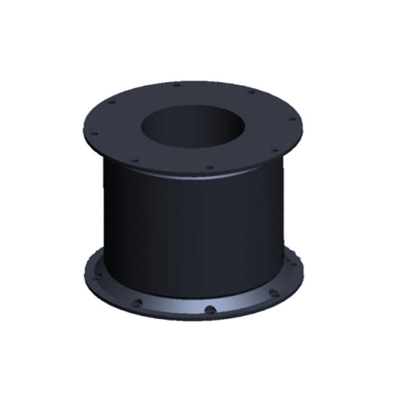
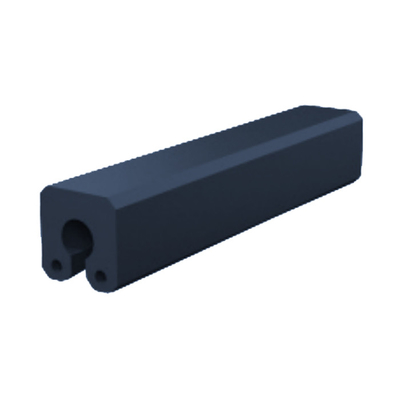
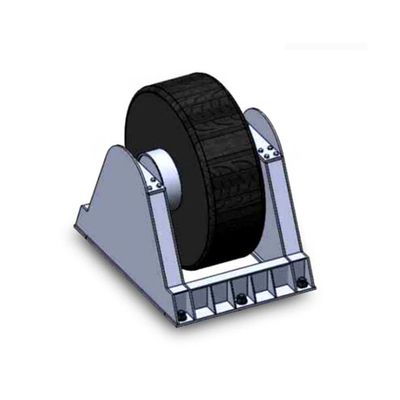
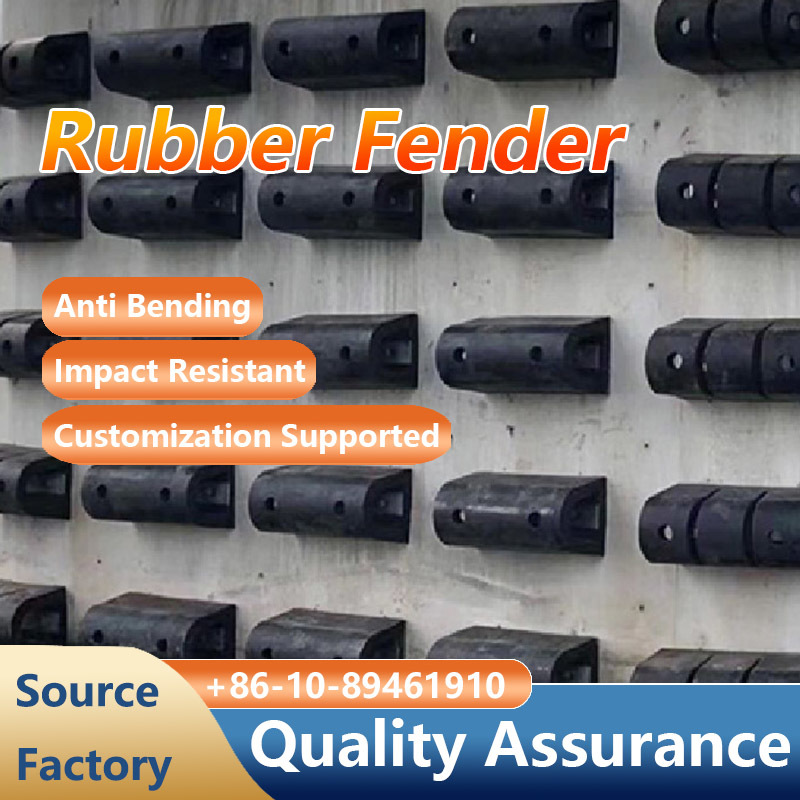
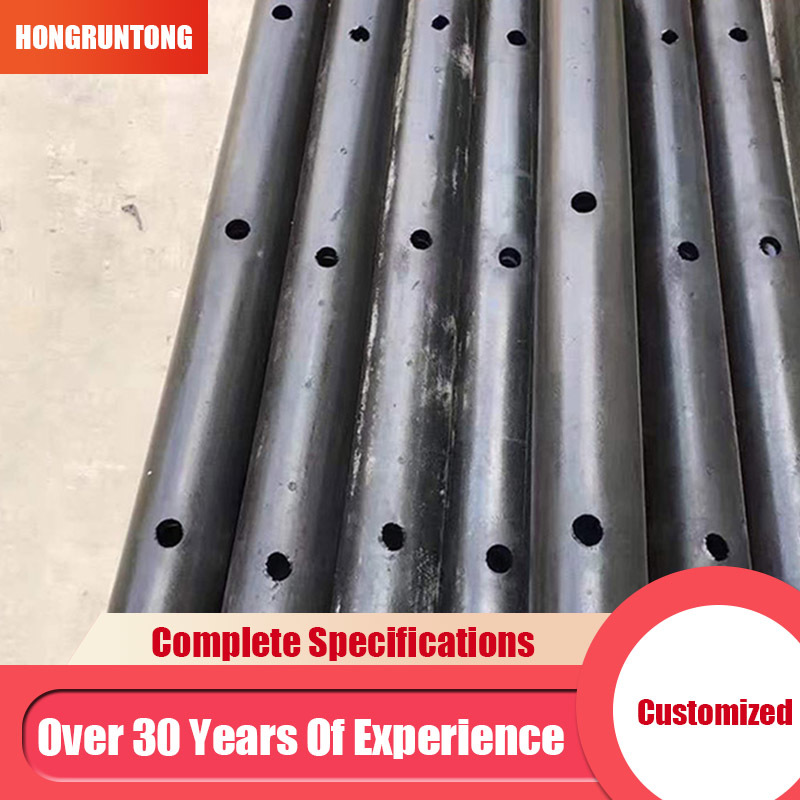
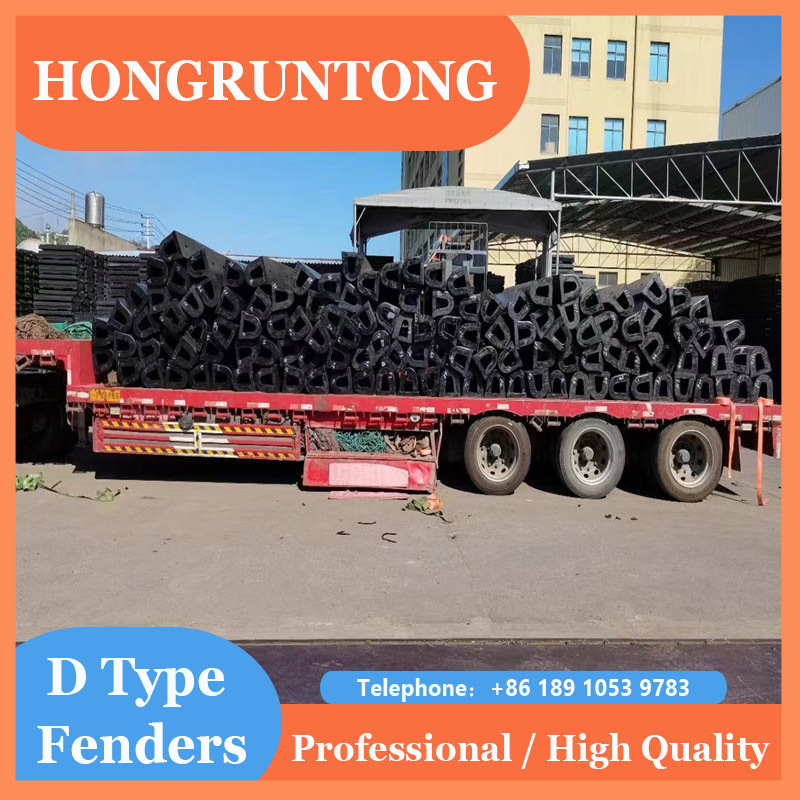
Hongruntong Marine’s shipyard dock rubber fenders are produced using reinforced natural rubber compounds with enhanced hardness gradients, allowing controlled deformation under heavy loads. The product range includes block-type, cylindrical, and laminated rubber fenders that can be customized in size, hardness, and internal reinforcement to suit different launching methods such as slipway launching, skid launching, and side launching. These fenders effectively protect hull plating, dock structures, and launching equipment, ensuring safe and controlled vessel movement throughout construction stages.
Case Study – Newbuild Tanker Launching Project
A shipyard in Eastern China specializing in 30,000–50,000 DWT chemical tankers faced repeated hull coating damage during skid launching due to uneven load transfer and insufficient cushioning. Hongruntong Marine provided custom-designed dock rubber fenders with increased contact surface area and optimized hardness distribution. During subsequent vessel launches, hull stress concentrations were significantly reduced, coating damage was eliminated, and launching alignment improved. The shipyard successfully reused the fenders across multiple projects, achieving measurable cost savings and improved safety records.
Specifications
| Place of Origin |
China |
| Product Name |
Dock Rubber Fender |
| Type |
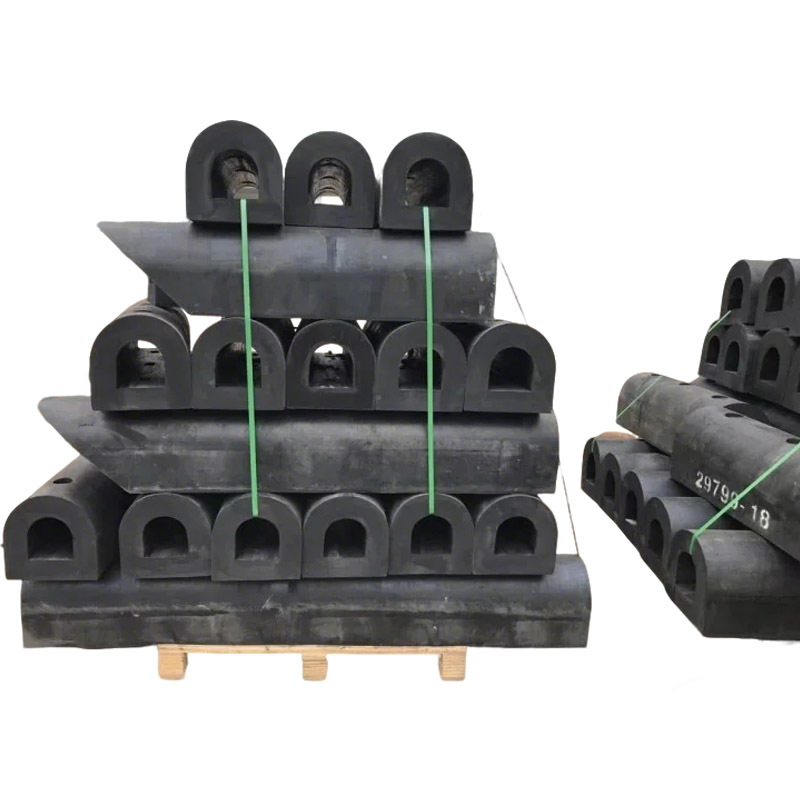
D Shape Type |
| Processing Service |
Compression Moulded |
| Color |
Black (More Colors Optional) |
| Material |
Smooth NR |
| Performance |
Excellent chemical and Physical Property |
| Logo |
Customer's Request |
| Application |
Port, Dock, Boat |
| Type |
Specifications |
| H |
B |
L |
Holes |
Q |
C |
h |
D |
d |
| D150x150x1000 |
150 |
150 |
1000 |
3 |
350 |
150 |
25 |
40 |
24 |
| D200x200x1000 |
200 |
200 |
1000 |
3 |
353 |
150 |
35 |
55 |
30 |
| D200x200x3000 |
200 |
200 |
3000 |
8 |
400 |
100 |
35 |
55 |
30 |
| D250x250x1000 |
250 |
250 |
1000 |
3 |
350 |
150 |
35 |
60 |
30 |
| D250x250x3000 |
250 |
250 |
3000 |
8 |
400 |
100 |
35 |
60 |
30 |
| D300x300x1000 |
300 |
300 |
1000 |
3 |
350 |
150 |
40 |
65 |
32 |
| D300x300x3000 |
300 |
300 |
3000 |
8 |
400 |
100 |
40 |
65 |
32 |
| D300x360x1000 |
300 |
360 |
1000 |
3 |
350 |
150 |
40 |
65 |
32 |
| D300x360x3000 |
300 |
360 |
3000 |
8 |
400 |
100 |
40 |
65 |
40 |
| D400x400x1000 |
400 |
400 |
1000 |
3 |
400 |
150 |
55 |
80 |
32 |
| D400x400x3000 |
400 |
400 |
3000 |
8 |
400 |
100 |
55 |
80 |
40 |
| D500x500x1000 |
500 |
500 |
1000 |
3 |
350 |
150 |
90 |
97 |
45 |
| D500x500x3000 |
500 |
500 |
3000 |
8 |
400 |
100 |
90 |
97 |
45 |
| TECHNICAL DATA |
| PROPERTIES |
TEST STANDARD |
VALUES |
| Compound |
- |
NR / SBR |
| Density (Specific Gravity) |
DIN 53505 |
1200 kg/m3 |
| Tensile Strength |
DIN 53504 |
≥16 MPa |
| Elongation at Break |
DIN 53504 |
≥350% |
| Tear Resistance (23°C) |
DIN 53507 |
≥80 N/cm |
| Abrasion Resistance |
DIN 53516 |
≤100mm3 |
| Compression Set (24hrs @ 70°C) |
DIN 53517 |
≤40% |
| Ozone Resistance (ppm 20% 72hrs @ 40°C) |
ISO 143/1 |
No Cracking Visible By Eye |
| Change In Hardness |
DIN 53504 |
≤5° |
| Change In Tensile Strength |
DIN 53504 |
≥80% |
| Change In Elongation at Break |
DIN 53504 |
≥80% |
| Minimum Temperature |
- |
-30°C |
| Maximum Temperature |
- |
+70°C |
Features
High Static Load Endurance
The fender structure is designed to operate under long-duration static compression without permanent deformation, making it suitable for prolonged vessel support during construction and launching phases.
Controlled Elastic Deformation
Advanced rubber compounding ensures predictable deformation behavior, allowing shipyard engineers to accurately calculate load distribution and launching forces.
Reinforced Internal Structure
Optional steel plates or fabric reinforcement layers improve dimensional stability and resistance to shear forces during vessel movement.
Surface Protection Performance
The smooth yet wear-resistant surface minimizes friction damage to hull coatings and steel plating.
Applications
Shipyard Slipway Launching
Provides cushioning and load distribution during longitudinal vessel launching operations.
Hull Block Assembly Areas
Used as temporary support and protection during block positioning and alignment.
Outfitting and Pre-Commissioning Berths
Protects partially completed vessels during early-stage berthing.
Why Choose Hongruntong Marine
Deep Understanding of Shipyard Processes
Hongruntong Marine engineers possess extensive knowledge of ship construction workflows, enabling accurate fender selection for each construction phase.
Customized Engineering Solutions
Every shipyard project receives tailored rubber formulations, dimensions, and reinforcement based on vessel weight, launching method, and dock geometry.
Proven Reusability and Cost Efficiency
Products are designed for multiple project cycles, significantly reducing long-term shipyard operating costs.
On Site Technical Guidance
Installation recommendations and load calculation support are provided to ensure safe and effective use.
FAQ
1. Can these fenders support vessels for extended periods?
Yes, they are designed for long-term static loading without loss of performance.
2. Are different hardness options available?
Multiple Shore hardness grades can be supplied based on load requirements.
3. Can the fenders be reused across different projects?
Yes, reusability is a key design consideration.
4. Do they require special maintenance?
Minimal maintenance is required beyond regular inspection.
5. Can Hongruntong Marine assist with load calculations?
Yes, technical support is available for engineering calculations.


 Your message must be between 20-3,000 characters!