Introduction
In modern port and dock operations, rubber fenders have become an indispensable safety protection device. This buffering device made of polymer materials plays a crucial role in ship berthing, berthing, and berthing processes through its unique physical properties and structural design. This article will systematically explain the fundamental reasons why rubber fenders have become standard equipment in ports, including their functional characteristics, application advantages, technological development, and industry standards.
1. The core function and working principle of rubber fenders
- Rubber fender is essentially an energy absorbing device, and its working principle is based on the high elastic deformation ability of the material. When the ship comes into contact with the dock, the fender converts the ship's kinetic energy into elastic potential energy through compression deformation, and then achieves buffering through slow release. This energy conversion process can reduce the impact force by 60% to 80%, effectively protecting ships and dock structures. According to test data, high-quality rubber fenders can withstand over 1 million compression cycles without failure, with an energy absorption density of up to 812kJ/m³.
2. The key protective role in dock operations
- Structural protection: The impact load during ship berthing can reach hundreds of tons, and the compressive strength of the concrete wharf surface is usually 3050MPa. Rubber fenders reduce contact surface pressure to a safe range by dispersing pressure. Taking a 100000 ton oil tanker as an example, without installing fenders, the berthing impact force is about 8000kN, but with fenders, it can be reduced to below 1500KN.
- Ship protection: The thickness of modern merchant ship hull steel plates is usually 1225mm, and rubber fenders can prevent concave deformation caused by rigid collisions between the hull and the dock. Statistics show that installing fenders on docks can reduce ship maintenance costs by over 40%.
- Homework safety: In ports with a tidal difference of up to 58 meters, the floating characteristics of fenders with water level ensure all-weather protection. Its friction coefficient (0.60.8) can prevent the ship from sliding without excessive wear on the ship's paint.
3. Technical advantages of materials and structures
Modern rubber fenders use EPDM or natural rubber composite formulas, which have the following characteristics:
- Tensile strength ≥ 16MPa
- Elongation at break>400%
- Weather resistance (40 ℃ to+80 ℃)
- UV resistance level ≥ 8
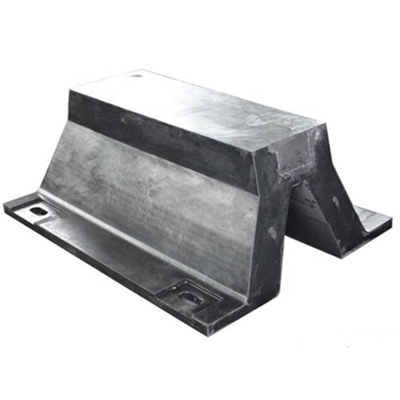
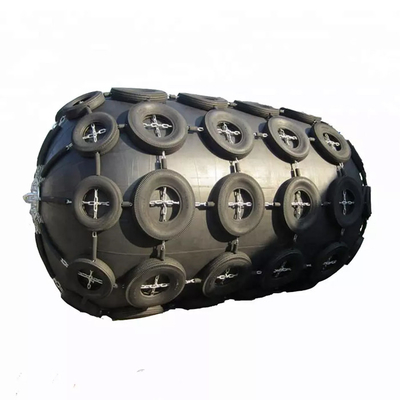
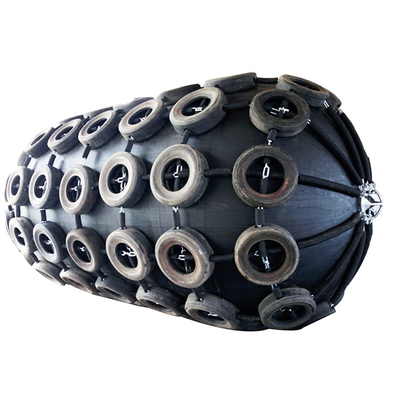
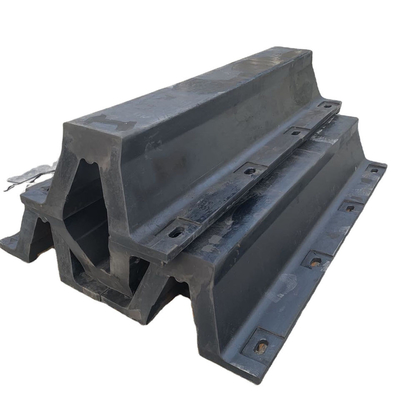
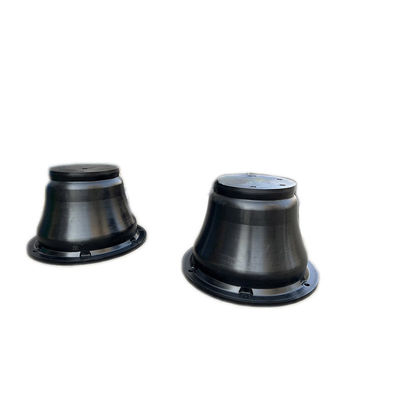
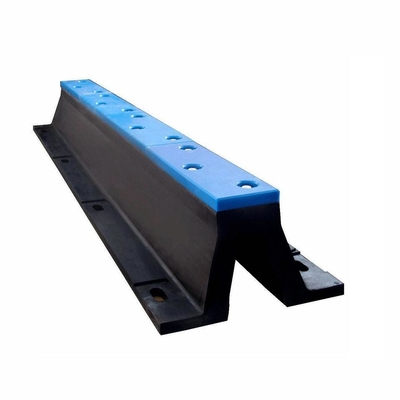
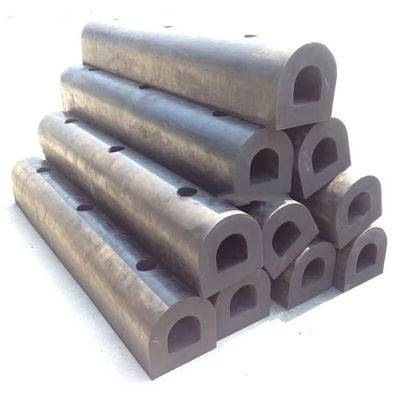
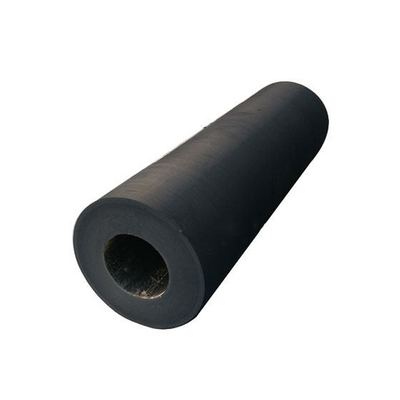
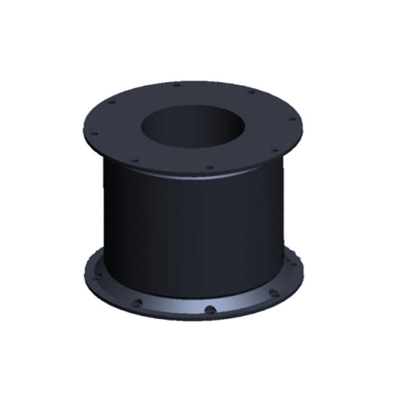
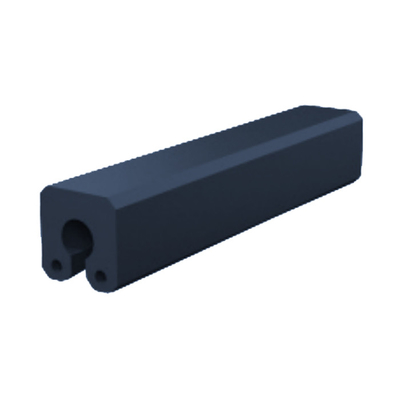
- In terms of structural design, common D-shaped, M-shaped, and conical fenders achieve graded cushioning through cavity structures. Taking a drum shaped fender with a diameter of 1.5m as an example, its compression deformation can reach 60%, and the reaction curve shows a gradual upward trend, perfectly matching the berthing needs of ships of different tonnages.
4. Economic benefits and maintenance costs
Compared to traditional steel fenders, rubber fenders have significant advantages:
- Reduce installation costs by 3050%
- Extended service life to 1520 years
- The maintenance frequency has been reduced from twice a year to once every three years
- Reduce homework replacement time by 70%
- According to calculations of a 100000 ton wharf, the use of rubber fenders can save maintenance costs of approximately 12 million yuan throughout the entire lifecycle.
5. 89202Environmental adaptability and special applications
Rubber fenders perform excellently in extreme environments:
- Arctic Port: Low temperature resistant formula can maintain elasticity at 55 ℃
- Oil terminal: anti oil formula, resistant to hydrocarbon solvent erosion
- Military port facilities: anti-static design (surface resistance<10 ⁶ Ω)
- Tidal power station: dynamic response time<0.1 seconds
6. ndustry standards and technological innovation
The International Maritime Organization (IMO) PIANC guidelines stipulate that fender systems should meet the following requirements:
- Energy absorption efficiency>75%
- Reaction coefficient < 0.8
- Fatigue life>10 times
The intelligent fenders integrated with pressure sensors and RFID technology that have emerged in recent years can monitor berthing status in real time and automatically record collision data, promoting port management into the digital age.
Conclusion:
Rubber fenders have become a core component of modern dock safety systems due to their cushioning performance, economic durability, and environmental adaptability. With the development of new material technology and intelligent monitoring systems, rubber fenders will continue to evolve, providing more efficient and reliable safety guarantees for global port operations. Under the development trend of large-scale ships and port automation, this seemingly simple protective device will continue to play an irreplaceable key role.


 Your message must be between 20-3,000 characters!