Submarine Fender System Applied to Underwater Structures in Offshore and Port Projects
1. Project Background
With the rapid development of offshore engineering, sea-crossing bridges, and port infrastructure, underwater structures are increasingly exposed to collision risks from construction vessels, tugboats, and floating equipment. Conventional fender systems are mainly designed for above-water or quay applications and are not suitable for long-term underwater protection.
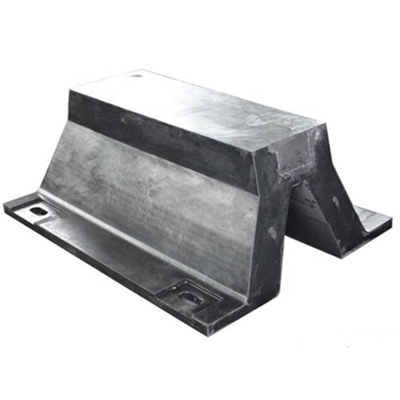
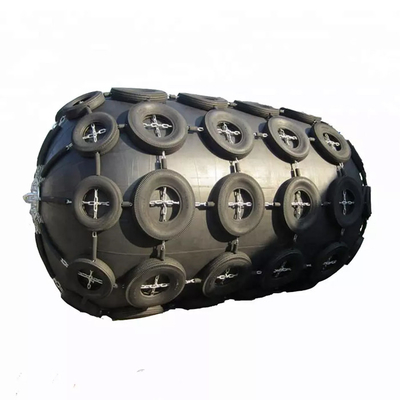
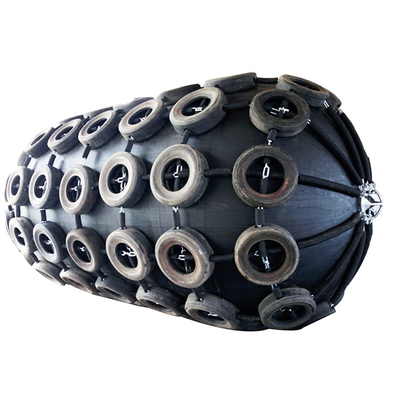
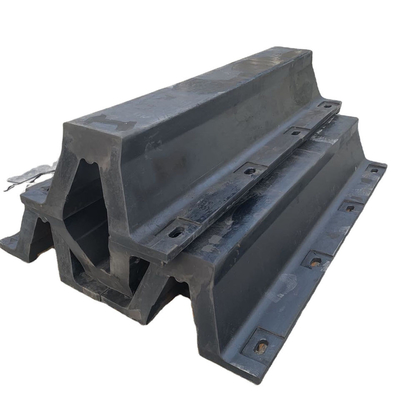
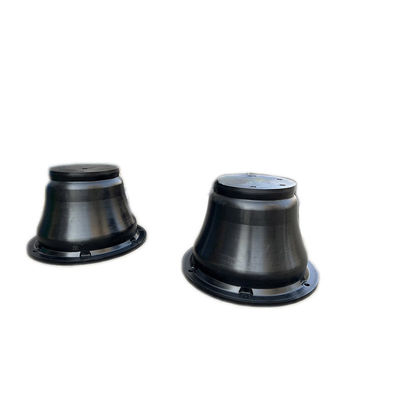
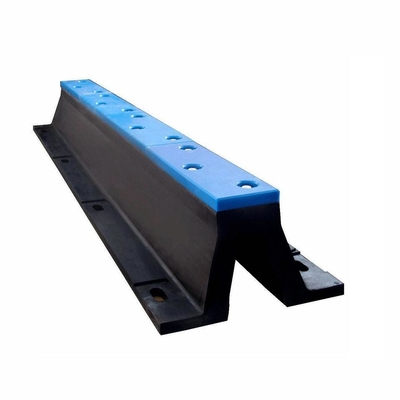
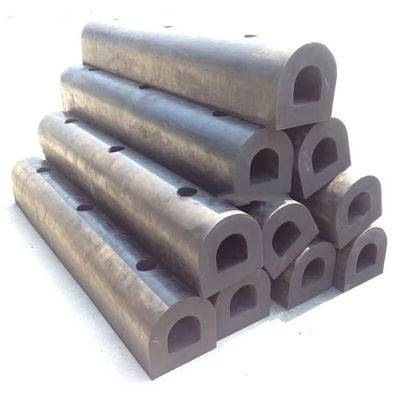
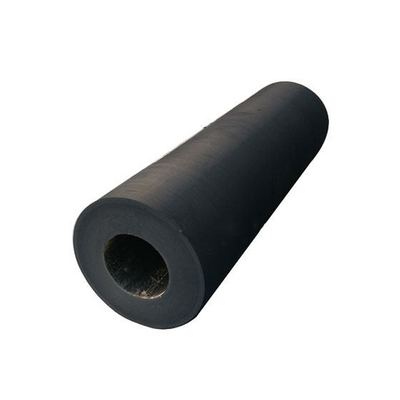
To address this challenge, a Submarine Fender system was adopted in an offshore project to protect underwater steel piles and concrete pile caps, effectively reducing collision damage between vessels and underwater structures.
2. Project Overview
Project Name: Offshore Underwater Structure Collision Protection Project
Location: Eastern coastal area of China
Protected Structures: Underwater steel pipe piles and concrete pile caps
Design Water Depth: -6 m to -15 m
Main Risks: Vessel deviation during construction, accidental tugboat impact, floating structure movement
3. Solution Design
3.1 Fender Type Selection
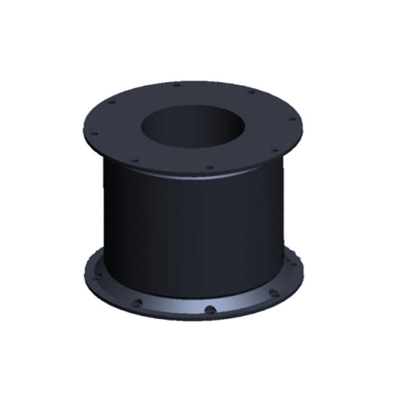
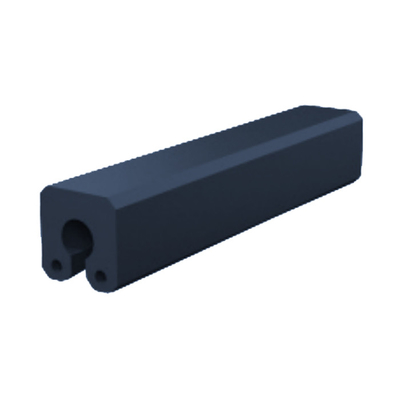
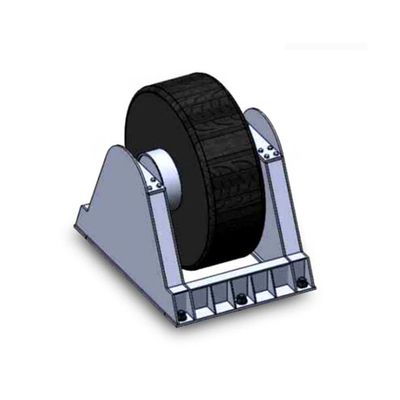
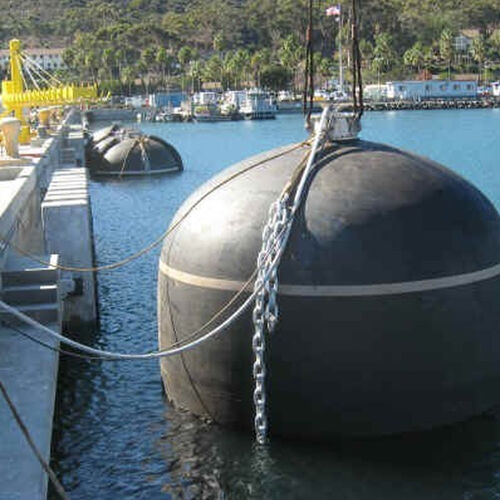
Based on water depth, environmental conditions, and collision energy analysis, high-elasticity rubber Submarine Fenders were selected, featuring:
High energy absorption capacity
Low reaction force to minimize structural stress
Excellent resistance to seawater and aging
Suitable for long-term underwater operation with low maintenance requirements
3.2 Layout Arrangement
Submarine Fenders installed circumferentially around underwater piles
Modular design adopted for ease of underwater installation
Fixed to the main structure using stainless steel chains and brackets
Optimized spacing to ensure full protection while minimizing flow interference
3.3 Design Parameters (Typical)
Energy absorption per fender: 120–200 kJ
Design compression ratio: ≤ 50%
Design service life: ≥ 15 years
4. Installation and Construction
4.1 Installation Method
Installation carried out by divers with underwater lifting support
Pre-installation inspection completed onshore
Accurate underwater positioning followed by fixation and tensioning
4.2 Challenges and Mitigation Measures
Challenge Mitigation Measure
Low underwater visibility Use of underwater markers and sonar assistance
Tidal current influence Installation scheduled during slack tide
High positioning accuracy requirement Modular design to reduce on-site adjustment
5. Performance Evaluation
Since commissioning, the Submarine Fender system has demonstrated excellent performance:
Successfully absorbed multiple minor vessel impacts during construction
No visible damage observed on underwater structures
Fender units remain intact without cracking or detachment
Significantly reduced maintenance costs and downtime risks
6. Project Value and Key Takeaways
6.1 Project Value
Enhanced safety and durability of underwater structures
Reduced economic losses caused by accidental collisions
Provided a replicable reference for similar offshore projects
6.2 Key Takeaways
Accurate collision energy assessment is critical for proper fender selection
Submarine Fenders are well-suited for long-term underwater protection
Proper installation design significantly reduces construction risks
7. Conclusion
As a professional underwater collision protection solution, Submarine Fender systems offer clear advantages for offshore engineering and port underwater structures. This case study demonstrates that, with proper design and installation, Submarine Fenders can effectively improve structural safety and reliability, showing strong potential for wider application.


 Your message must be between 20-3,000 characters!